


Description
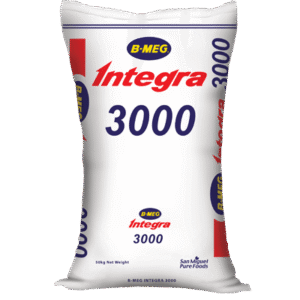
B-MEG Integra 2500 Transition Pellet: Quality Poultry Feed for Healthy Chicken Growth
Introduction to B-MEG Integra 2500 Transition Pellet
B-MEG Integra 2500 Transition Pellet is a poultry feed product for farmers and chicken raisers looking for a convenient feeding solution during an important stage of poultry development. Providing suitable nutrition as chickens grow is essential for maintaining healthy birds, supporting normal development, and preparing them for the next phase of production. A properly managed feeding program can help poultry raisers maintain consistent growth, improve flock management, and work toward their farm production goals.
B-MEG is a familiar name in the Philippine animal feed industry, serving livestock and poultry raisers with feed products for different production stages. The Integra product range offers poultry feeding options that farmers can consider when developing a feeding program suited to their flocks. B-MEG Integra 2500 Transition Pellet is identified by its transition-feed designation, making it important for poultry raisers to check the manufacturer’s label for the intended bird type, feeding period, and recommended usage.
The transition stage in poultry production requires careful attention because birds may be moving from one formulated ration to another or adapting to changing nutritional requirements. Selecting an appropriate transition pellet and following recommended feeding practices can help farmers manage this period more effectively. Whether you operate a backyard chicken-raising project, a small poultry farm, or a larger commercial operation, understanding the purpose of transition feed can help you make informed decisions about poultry nutrition and daily flock management.
What Is B-MEG Integra 2500 Transition Pellet?
B-MEG Integra 2500 Transition Pellet is a poultry feed product marketed under the B-MEG Integra range. Transition feeds are generally used during a defined period when poultry move between feeding stages or require a ration suited to an intermediate phase of development. Chicken nutritional requirements change as birds grow. Their needs for energy, protein, amino acids, vitamins, and minerals depend on factors such as age, breed, body size, health, environment, and production purpose.
A transition feed is intended to fit a particular part of this feeding sequence rather than serve as a universal ration for every age group. The pellet form provides feed in compact pieces that can be convenient to distribute and manage. Depending on pellet quality and bird preference, this format may also help reduce selective feeding compared with certain loose-feed formulations. For the most accurate information about B-MEG Integra 2500 Transition Pellet, poultry raisers should consult the actual product packaging or manufacturer’s specifications. These sources should be used to confirm the feed’s nutrient analysis, intended bird type, recommended age range, feeding directions, and packaging size.
Key Benefits of B-MEG Integra 2500 Transition Pellet
1. Supports Poultry Feeding During a Transition Period
Changing from one feed to another is a routine part of poultry production. However, the timing and method of a feed transition can affect how easily birds adapt to the new ration. A feed specifically intended for a transition stage may help farmers organize their feeding schedules around the manufacturer’s recommendations. Using the correct ration for the appropriate period supports more consistent nutrient management and reduces the risk of feeding a product that is unsuitable for the birds’ current stage. Farmers should follow the directions on the B-MEG Integra 2500 label to determine when and how the product should be introduced.
2. Convenient Pellet Form for Daily Feeding
Pellet poultry feed is designed to make feed handling and distribution practical for many poultry operations. The ready-to-feed format can simplify daily feeding routines for backyard raisers and commercial farmers alike. Compared with loose mash, well-manufactured pellets may help reduce selective feeding, in which birds pick out certain ingredients and leave others behind. However, the actual results depend on pellet quality, feeder design, feed freshness, and flock behavior. Using suitable feeders and checking for excessive feed spillage can help farmers manage feed consumption and minimize unnecessary waste.
3. Helps Establish Consistent Feeding Practices
Consistency is an important part of effective poultry management. Birds require appropriate nutrition throughout their development, and a structured feeding program helps farmers provide the correct ration at the correct stage. B-MEG Integra 2500 Transition Pellet can be incorporated into a feeding schedule when it matches the flock’s requirements and the manufacturer’s instructions. Monitoring feed intake, bird activity, and general condition helps poultry raisers recognize whether their feeding practices are working as intended. Keeping simple records of feed consumption and flock development can also help farmers plan purchases and evaluate management practices over time.
4. Supports Balanced Poultry Nutrition
Chickens require a combination of energy, protein, essential amino acids, vitamins, minerals, and other nutrients to maintain normal body functions and support development. The nutritional value of any formulated feed depends on its actual composition. Farmers should review the guaranteed nutrient analysis on the product label to understand whether the feed is suitable for their poultry and production objectives. B-MEG Integra 2500 Transition Pellet should be used according to its verified specifications rather than assuming that every transition pellet has the same nutritional composition or is appropriate for every chicken breed.
5. Practical for Backyard and Commercial Poultry Operations
Convenient feed handling is important whether you raise a few chickens at home or manage a larger poultry farm. Pellet feed can make measuring and distributing rations more straightforward when the appropriate feeding equipment and management practices are in place. For commercial operations, organized feeding schedules and inventory records can help improve day-to-day farm management. For backyard poultry raisers, using the correct formulated feed can simplify the process of providing a consistent diet. The suitability of B-MEG Integra 2500 Transition Pellet ultimately depends on its intended use, the flock’s stage of development, and the manufacturer’s feeding recommendations.
Why Is Transition Feed Important in Poultry Farming?
Transition feeding is an important consideration because poultry do not have identical nutritional needs throughout their lives. Young chicks, growing chickens, and birds approaching maturity may require different nutrient concentrations and feeding strategies. A well-managed feed transition helps farmers match the ration to the birds’ changing requirements. Moving between feeds at the appropriate time can also help establish a predictable feeding routine and support effective monitoring of bird performance.
However, the term transition feed can refer to different purposes depending on the product and production system. Farmers should not assume that B-MEG Integra 2500 is intended for a particular age, breed, or production stage without checking the manufacturer’s label. When changing feeds, follow the manufacturer’s guidance. If gradual mixing of the old and new ration is recommended, use the specified transition procedure rather than changing feeding practices arbitrarily.
Feeding Guidelines for B-MEG Integra 2500 Transition Pellet
Proper feeding practices are essential for making the most of a poultry feed product. Before introducing B-MEG Integra 2500 Transition Pellet, confirm that it is suitable for your chickens and intended feeding stage. The following practices can help support effective poultry feeding:
- Check the product label: Confirm the intended bird type, feeding stage, nutrient analysis, and recommended feeding directions.
- Provide clean drinking water: Ensure that chickens have continuous access to fresh, clean water.
- Monitor feed consumption: Record feed intake when practical and investigate sudden changes in appetite.
- Maintain clean feeders: Remove contaminated feed and keep feeding equipment clean and suitable for the birds.
- Observe flock condition: Monitor activity, body condition, growth, and other indicators of general health.
- Follow a structured feeding schedule: Avoid switching between feeds without considering the birds’ nutritional requirements.
- Seek professional guidance when needed: Consult a poultry nutritionist or veterinarian if you have questions about feed transitions, growth problems, or changes in flock health.
Do not rely on a product name alone to determine feeding quantities. Recommended feed intake varies with age, breed, body weight, environmental conditions, and the nutrient composition of the ration.
Proper Storage of B-MEG Integra 2500 Transition Pellet
Feed storage has a direct impact on product quality and suitability. Exposure to moisture, heat, pests, and contamination can damage poultry feed and reduce its usefulness. Store B-MEG Integra 2500 Transition Pellet in a clean, dry, well-ventilated area. Keep bags off damp floors and protect them from rain, direct moisture, and pests. Follow the manufacturer’s storage instructions and observe any expiration or recommended-use dates printed on the packaging. Inspect the feed before use. Do not feed chickens material that shows signs of mold, unusual odors, moisture damage, or contamination. Proper storage practices help preserve feed quality and support a safer feeding environment.
Tips for Improving Poultry Farm Productivity
Successful poultry production involves more than selecting a suitable feed. Good housing, adequate ventilation, appropriate stocking density, clean drinking water, sanitation, and disease prevention all contribute to flock management. Provide chickens with an environment suited to their age and production type. Clean feeders and drinkers regularly, control pests, and monitor the flock for unusual behavior or reduced appetite. Farmers can also maintain records of feed use, bird growth, mortality, and other production indicators. These records make it easier to identify changes in performance, manage feed inventory, and evaluate the effectiveness of the overall feeding program. A suitable feed works best when combined with good management practices and appropriate veterinary care.
Who Should Consider B-MEG Integra 2500 Transition Pellet?
B-MEG Integra 2500 Transition Pellet may be relevant to poultry raisers who need a feed product designed for a specific transition period in their feeding program, provided that the product label confirms it is suitable for their flock. Potential customers include:
- Backyard chicken raisers: Individuals seeking a formulated feed for an appropriate stage of chicken development.
- Small poultry farms: Farmers managing feeding schedules and feed changes for growing flocks.
- Commercial poultry operations: Businesses that require organized feed purchasing, storage, and distribution.
- Agricultural supply retailers: Sellers supplying poultry feed to farmers and livestock owners.
Before purchasing, verify the product’s intended use, bag weight, nutrient analysis, current price, and availability. This information helps ensure that the feed is appropriate for your operation.
Conclusion: B-MEG Integra 2500 Transition Pellet for Poultry Feeding Management
B-MEG Integra 2500 Transition Pellet is a poultry feed product that farmers can evaluate as part of a structured feeding program for the appropriate stage of chicken development. Its pellet format offers a practical approach to feed handling and distribution, while selecting the correct ration helps farmers manage the changing nutritional requirements of their flock. For backyard raisers and commercial poultry farmers, the key to effective feeding is choosing a product suited to the birds’ age, breed, health, and production purpose.
Following the manufacturer’s instructions, providing clean drinking water, maintaining good storage conditions, and monitoring flock health are essential parts of responsible poultry management. If you are looking for B-MEG Integra 2500 Transition Pellet, review the verified product specifications and feeding recommendations before making a purchase. Combining the appropriate feed with good farm management can help poultry raisers maintain consistent feeding practices and work toward their production goals. Choose poultry feed based on your flock’s actual nutritional needs, and consult the manufacturer or a qualified poultry nutritionist if you need guidance on feed transitions, recommended quantities, or product suitability.



Reviews
There are no reviews yet.