
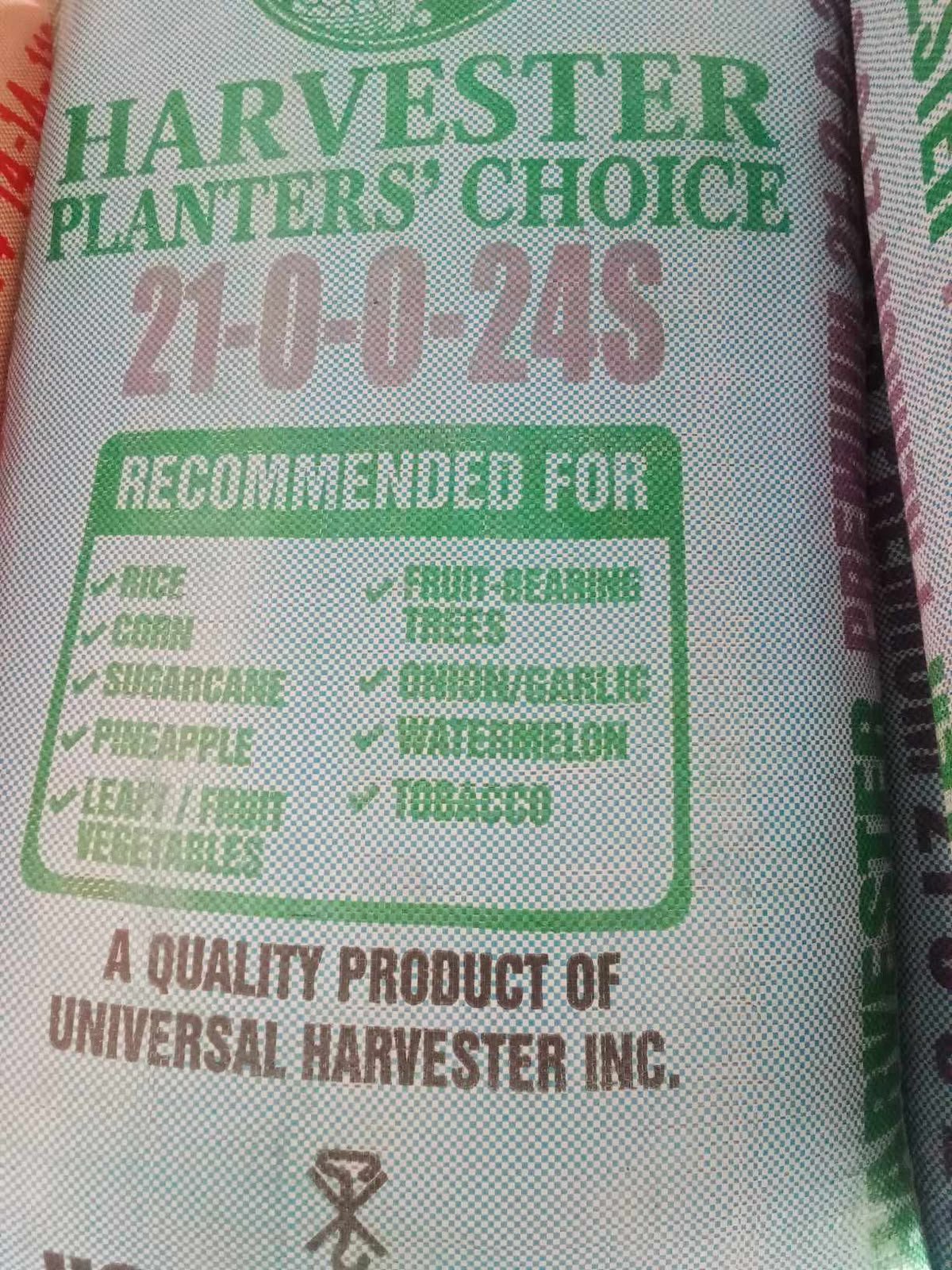

Description
Planters Ammonium Chloride Fertilizer (25% Nitrogen – 50 KG Bag): An Essential Nitrogen Source for Agricultural Productivity
Introduction to Planters Ammonium Chloride Fertilizer
Modern agriculture depends on effective soil management and proper nutrient application to achieve healthy plant growth and productive harvests. Among the essential nutrients required by crops, nitrogen plays a significant role in vegetative development, chlorophyll production, protein formation, and overall plant vigor. Planters Ammonium Chloride Fertilizer (25% Nitrogen – 50 KG Bag) is a nitrogen-based fertilizer designed to supply crops with an important nutrient needed throughout their growth cycle. For farmers, agricultural suppliers, and farm input distributors, understanding the characteristics and appropriate applications of ammonium chloride fertilizer can help support informed fertilizer selection and soil fertility management.
Planters Ammonium Chloride Fertilizer contains 25% nitrogen and is available in a convenient 50-kilogram bag. Its nitrogen content makes it a potential option for suitable agricultural soils and crops that benefit from ammonium-based nitrogen nutrition. However, its chloride content is also an important consideration, meaning the fertilizer is not appropriate for every crop or growing condition. Choosing the right fertilizer requires evaluating crop requirements, soil characteristics, irrigation water quality, and local agricultural recommendations.
What Is Planters Ammonium Chloride Fertilizer?
Ammonium chloride is an inorganic nitrogen fertilizer with the chemical formula NH₄Cl. It supplies nitrogen in the ammonium form, which plants can absorb through their roots. Nitrogen is one of the primary macronutrients required for plant development and is especially important during stages of active vegetative growth.
The Planters Ammonium Chloride Fertilizer 25% Nitrogen 50 KG Bag provides a clearly stated nitrogen concentration that helps agricultural users calculate the amount of nitrogen supplied during fertilizer application. At 25% nitrogen, every kilogram of fertilizer contains approximately 250 grams of nitrogen, based on the labeled nutrient analysis.
The 50-kilogram packaging is suitable for agricultural operations that require larger quantities of fertilizer, provided the product is purchased, stored, and handled according to its label. Farmers and distributors can use the bag size to plan inventory and calculate fertilizer requirements for different field areas.
Before purchasing, buyers should confirm the manufacturer’s specifications, registered product label, recommended applications, and availability from a reliable agricultural supplier.
Benefits of Nitrogen for Healthy Plant Growth
Nitrogen is essential for several biological processes that influence crop growth and development. An adequate supply of nitrogen supports the production of chlorophyll, the green pigment plants use to capture sunlight during photosynthesis. It also contributes to the formation of amino acids, proteins, enzymes, and other compounds necessary for plant metabolism.
When crops experience nitrogen deficiency, common symptoms can include pale green or yellowing older leaves, slow growth, and reduced plant vigor. Correcting a confirmed deficiency with an appropriate nitrogen fertilizer may help plants resume healthier growth.
Planters Ammonium Chloride Fertilizer can contribute to nitrogen nutrition when its nutrient form and chloride content are suitable for the crop and soil. However, fertilizer application should be based on actual crop requirements rather than the assumption that additional nitrogen always produces better results.
Excess nitrogen can encourage overly vigorous vegetative growth, delay maturity in some crops, increase lodging risk, and contribute to nutrient losses. Applying the right amount at the right time is therefore essential for effective fertilizer management.
Understanding the 25% Nitrogen Content
One of the main characteristics of Planters Ammonium Chloride Fertilizer is its 25% nitrogen concentration. This information allows farmers to calculate how much product is needed to supply a particular nitrogen requirement.
For example, a 50-kilogram bag containing 25% nitrogen provides approximately 12.5 kilograms of nitrogen in total.
This calculation is useful when comparing fertilizer products and planning field applications. Nevertheless, the actual application rate must be determined according to soil test results, crop nutrient requirements, expected yield, and recommendations from qualified agricultural professionals.
Farmers should also consider the other nutrients required by their crops. Ammonium chloride primarily supplies nitrogen and chloride; it should not be treated as a complete fertilizer containing all the nutrients needed for successful crop production. Depending on soil conditions, crops may also require phosphorus, potassium, sulfur, and micronutrients.
Agricultural Applications and Crop Suitability
Ammonium chloride fertilizer may be appropriate for selected agricultural crops when soil conditions and chloride tolerance are favorable. Its suitability depends on the crop species, soil properties, rainfall, irrigation practices, and existing nutrient levels.
Certain crops can tolerate chloride-containing fertilizers better than others. However, chloride-sensitive crops may experience reduced growth or lower quality when chloride accumulates in the root zone. For this reason, farmers should verify crop suitability before applying Planters Ammonium Chloride Fertilizer.
Soil conditions are equally important. Ammonium chloride can contribute to soil acidification through nitrogen transformation and crop nutrient processes. Repeated use may therefore be unsuitable for already acidic soils unless an appropriate soil management program is in place.
A soil test can help identify soil pH, nutrient deficiencies, and other conditions that influence fertilizer selection. Where irrigation water contains elevated salt concentrations or drainage is poor, additional assessment is particularly important.
For commercial farming, fertilizer decisions should follow crop-specific recommendations rather than a single application rate intended for every crop.
Proper Fertilizer Application and Management
Correct fertilizer application helps improve nutrient-use efficiency while reducing the risk of crop injury and environmental losses. Before applying Planters Ammonium Chloride Fertilizer, farmers should read the product label and confirm the recommended rate, application method, and any crop-specific restrictions.
Several general fertilizer management practices are worth considering:
1. Conduct soil testing. Soil analysis provides useful information about nutrient availability, pH, and salinity-related concerns. These results help determine whether ammonium chloride is an appropriate nitrogen source.
2. Calculate nitrogen requirements. Use the recommended nitrogen rate for the crop and calculate the corresponding quantity of fertilizer. Avoid excessive applications that can harm crop performance or contribute to environmental contamination.
3. Consider crop sensitivity to chloride. Check whether the intended crop can tolerate chloride-containing fertilizers. If it is chloride-sensitive, an alternative nitrogen source may be more appropriate.
4. Apply fertilizer at the recommended time. Nitrogen requirements vary throughout crop development. Follow local agronomic guidance to match fertilizer application with crop demand.
5. Avoid direct contact with sensitive plant tissues. Apply the product using the method specified on its label to reduce the risk of localized fertilizer injury.
6. Manage irrigation and drainage. Proper water management can support nutrient uptake and help prevent the accumulation of unwanted salts. However, leaching should only be considered where drainage and environmental conditions permit it.
These practices help farmers make more informed fertilizer decisions and promote responsible agricultural production.
Storage and Handling of the 50 KG Bag
Proper storage is important for maintaining fertilizer quality and supporting safe farm operations. Planters Ammonium Chloride Fertilizer should be stored in its original, clearly labeled packaging in a dry, well-ventilated area. Protect the bag from rain, standing water, and excessive moisture, and keep it away from incompatible materials.
The storage area should be secured against unauthorized access, particularly by children and animals. Workers should follow the product safety instructions and use appropriate protective equipment during handling. Avoid inhaling fertilizer dust, and wash hands after use.
Do not reuse empty fertilizer bags for food, animal feed, drinking water, or other household purposes. Dispose of packaging according to the product label and applicable local regulations.
Agricultural suppliers should also keep bags protected from moisture during transportation and storage to preserve product condition.
Why Choose Planters Ammonium Chloride Fertilizer?
For agricultural buyers evaluating nitrogen fertilizer options, Planters Ammonium Chloride Fertilizer offers a defined nitrogen concentration and practical bulk packaging. Its 25% nitrogen content makes nutrient calculations straightforward, while the 50-kilogram bag provides a convenient unit for inventory planning and field-use calculations.
Nevertheless, choosing a fertilizer should involve more than comparing the nitrogen percentage or package size. Buyers should assess crop suitability, chloride tolerance, soil pH, salinity risk, application requirements, and total fertilizer cost. Product authenticity, clear labeling, proper storage, and supplier reliability are also important considerations.
When used appropriately, an ammonium-based fertilizer can form part of a broader nutrient management program. Combining soil testing, balanced fertilization, efficient irrigation, and good crop management practices helps farmers make better use of available nutrients.
Conclusion
Planters Ammonium Chloride Fertilizer (25% Nitrogen – 50 KG Bag) is a nitrogen fertilizer option for agricultural users who need to supply crops with ammonium-based nitrogen. Its 25% nitrogen concentration provides a useful basis for calculating nutrient quantities, while its 50-kilogram packaging supports bulk agricultural purchasing and fertilizer planning.
Nitrogen contributes to chlorophyll production, protein formation, and vegetative development, making it an important nutrient in crop nutrition. However, ammonium chloride also supplies chloride and can contribute to soil acidification, so its use requires careful consideration of crop sensitivity, soil conditions, and local agronomic recommendations.
For farmers, agricultural retailers, and fertilizer distributors, selecting the right fertilizer means balancing nutrient requirements with soil health, crop performance, and responsible environmental management. By evaluating soil test results, following product instructions, and applying fertilizer at appropriate rates, agricultural users can make better-informed decisions about whether Planters Ammonium Chloride Fertilizer is suitable for their farming needs.
When evaluating this product, prioritize accurate specifications, reliable suppliers, and crop-specific recommendations to support effective and sustainable fertilizer management.
Frequently Asked Questions (FAQs)
1. What is Planters Ammonium Chloride Fertilizer used for?
It is a nitrogen fertilizer that supplies nitrogen in the ammonium form. Its suitability depends on the crop, soil conditions, chloride tolerance, and recommended agricultural practices.
2. How much nitrogen does a 50 KG bag contain?
At 25% nitrogen, a 50-kilogram bag contains approximately 12.5 kilograms of nitrogen.
3. Is ammonium chloride fertilizer suitable for all crops?
No. Some crops are sensitive to chloride, and repeated application may increase soil acidity. Consult crop-specific recommendations and soil test results before use.
4. Is Planters Ammonium Chloride a complete fertilizer?
No. It primarily supplies nitrogen and chloride. Other nutrients may be necessary depending on the crop and soil nutrient status.
5. How should the fertilizer be stored?
Keep it in its original labeled packaging in a dry, well-ventilated storage area, protected from moisture and handled according to the product’s safety instructions.
Reviews
There are no reviews yet.