

Description
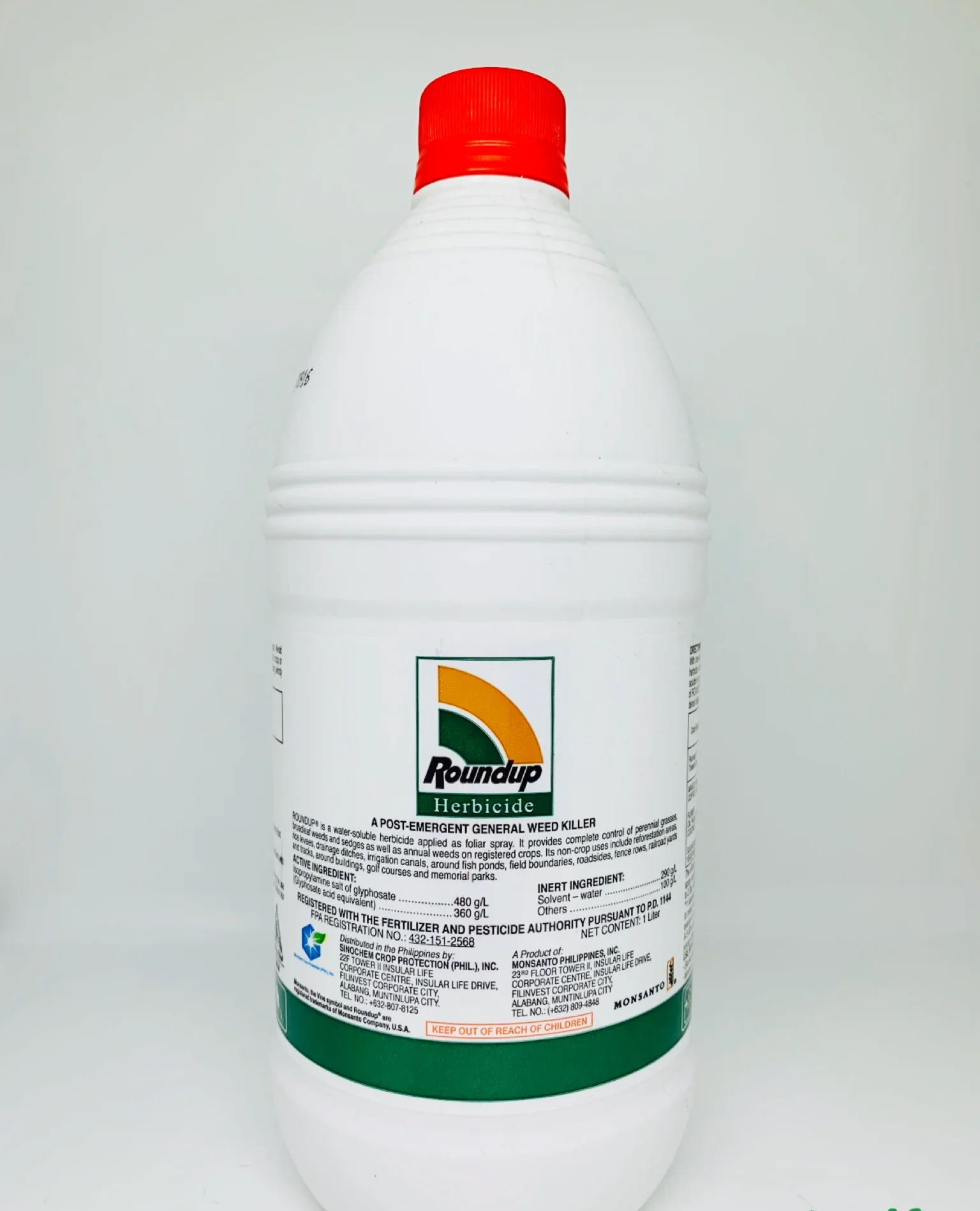
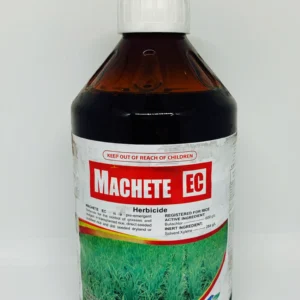
Roundup Glyphosate Non-Selective Herbicide – 1 L: Effective Weed Management for Agricultural and Landscaping Applications
Introduction to Roundup Glyphosate Non-Selective Herbicide – 1 L
Weed management is an important part of maintaining productive farms, well-kept gardens, commercial properties, and landscape areas. Unwanted weeds compete with desirable plants for sunlight, water, nutrients, and growing space. When weeds are not manage appropriately, they can interfere with crop production, increase maintenance requirements, and make agricultural and outdoor areas more difficult to maintain. Roundup Glyphosate Non-Selective Herbicide – 1 L is a herbicide product associate with glyphosate-base weed control and intend for use according to its specific product label.
Roundup is a recognize herbicide brand, and glyphosate is an active ingredient used in many non-selective herbicide formulations. Non-selective herbicides are design to control a broad range of susceptible plants rather than targeting only a particular weed species. This makes them useful in certain weed-management programs where the vegetation being treat is not intended to be preserve.
The 1-liter packaging offers a convenient size for users whose purchasing needs depend on the area to be treat and the frequency of application. However, product formulations, glyphosate concentrations, approve uses, and application directions can vary. Buyers should always check the exact product label before use.
What Is Roundup Glyphosate Non-Selective Herbicide?
Roundup Glyphosate Non-Selective Herbicide – 1 L is a product describe for broad-spectrum weed control. Glyphosate works primarily by inhibiting an enzyme involved in the production of certain essential compounds that plants need for growth. Susceptible plants absorb glyphosate through their foliage, after which the active ingredient moves within the plant.
Because glyphosate-base products are non-selective, they can damage or kill many desirable plants if those plants receive the spray. Therefore, careful application and protection of nearby crops, ornamental plants, lawns, and other vegetation are essential.
The precise formulation of the 1-liter Roundup product should be confirm on its packaging. Concentrations, additional ingredients, approved application sites, and use instructions differ among products sold under similar brand names. Users should not assume that all Roundup products have identical specifications or application rates.
Key Features of Roundup Glyphosate Non-Selective Herbicide – 1 L
1. Broad-Spectrum Weed Control
Glyphosate-based herbicides are use to control many susceptible grass and broadleaf weed species. This broad-spectrum activity can make them useful in approve non-crop areas, agricultural weed-management programs, and other settings specify on the product label.
Effectiveness depends on the weed species, its growth stage, environmental conditions, application quality, and the specific formulation. Some weeds may be difficult to control, and certain populations have develope resistance to glyphosate. For this reason, users should not assume that every weed will respond equally.
2. Systemic Mode of Action
Glyphosate is a systemic herbicide. After absorption by susceptible plants, it moves to growing tissues and interferes with essential plant processes. This differs from herbicides that primarily affect the plant tissue directly contacted by the spray.
The visible effects may take time to develop, and the speed of symptoms varies according to plant species and growing conditions. Users should follow the label concerning application conditions and any instructions about subsequent mowing, cultivation, or replanting.
3. Convenient 1-Liter Packaging
The 1-liter container provides a manageable package size for users who do not need large commercial quantities. It can be suitable for purchasing and storage needs associated with approved applications, depending on the product’s concentration and the area being treated.
The quantity needed cannot be determine from package size alone. It depends on the exact formulation, label application rate, and treatment area. Always use the label’s directions rather than estimating a dose from another glyphosate product.
4. Use in Planned Weed-Management Programs
A non-selective herbicide may form one part of an integrated weed-management strategy. Other measures can include mulching, mechanical weed removal, mowing, crop rotation, cover crops, and preventing weeds from producing seeds. Combining suitable methods can help reduce dependence on a single weed-control approach.
Common Applications of Glyphosate Herbicides
Depending on the specific product registration and label, glyphosate herbicides may be used in selected agricultural or non-agricultural settings.
In farming, approve uses may include managing weeds before planting or in designated areas where susceptible vegetation can be treated without damaging the intended crop. In landscaping and property maintenance, label products may be use in appropriate non-crop areas, such as selected paths or spaces where vegetation removal is desired.
However, the same product is not automatically approved for every crop, garden, lawn, or property. Users must confirm that the intended site and use are permitted by the exact label and local regulations. Because glyphosate is non-selective, it should not be applied over desirable vegetation unless the specific product label expressly allows the method and the plants are appropriately protected.
Best Practices for Responsible Herbicide Use
Proper herbicide management helps reduce the risk of damage to desirable plants, people, animals, and the surrounding environment.
- Read the label first: Confirm the active ingredient concentration, approved sites, application instructions, required protective equipment, and restrictions.
- Protect desirable vegetation: Prevent spray drift and accidental contact with crops, trees, flowers, lawns, and other plants that should remain healthy.
- Check weather conditions: Follow label restrictions concerning wind, rainfall, temperature, and other conditions that can affect application or movement of the spray.
- Use appropriate equipment: Ensure that application equipment is suitable for the product and does not leak or produce unintended spray drift.
- Follow local requirements: Observe applicable rules for herbicide use, storage, transport, and disposal.
- Use integrated weed management: Consider physical and cultural weed-control methods where practical, particularly when managing resistant weeds.
Never increase the concentration or application rate beyond the label instructions in an attempt to obtain faster results. Avoid spraying near water or drainage areas unless the product is specifically approved for that use. Do not mix Roundup with other pesticides, fertilizers, or household chemicals unless the label explicitly permits the combination.
Safety, Storage, and Handling
Herbicides must be handle carefully. Read the product label and safety data sheet before opening or applying Roundup Glyphosate Non-Selective Herbicide – 1 L. Wear the protective equipment specify by the manufacturer, avoid skin and eye contact, and prevent inhalation of spray mist.
Keep the product in its original, clearly labeled container. Store it securely in accordance with label instructions, away from children, pets, food, animal feed, and incompatible substances. Never transfer herbicide into beverage or food containers.
Prevent spills and follow the manufacturer’s instructions for cleanup and disposal. Do not pour leftover concentrate or spray mixture into drains, waterways, or areas where contamination may occur. Follow local requirements for pesticide-container disposal and any applicable restrictions on use.
Choosing the Right Roundup Product
When buying Roundup Glyphosate Non-Selective Herbicide – 1 L, confirm that the product is genuine, correctly label, and suitable for the intended application. Review the glyphosate concentration, formulation type, approve uses, package integrity, and expiration or storage information where provided.
Purchasing from a reputable agricultural supplier can help buyers obtain accurate product information. Comparing products should involve more than brand name and container size because two glyphosate products may have different concentrations, directions, and restrictions.
Conclusion
Roundup Glyphosate Non-Selective Herbicide – 1 L is a glyphosate-base weed-control product intended for label applications where broad-spectrum vegetation control is require. Its non-selective action makes careful application especially important because desirable plants can also be harmed by accidental contact.
For farmers, landscapers, and property managers, effective weed management begins with identifying the weeds, selecting an appropriate control method, and following the product’s instructions. Checking the exact formulation, using the required protective equipment, protecting surrounding vegetation, and complying with local regulations are essential steps in responsible herbicide use.
By combining correct product selection with careful handling and integrated weed-management practices, users can make more inform decisions about controlling unwanted vegetation while reducing avoidable risks to people, plants, and the environment.
Reviews
There are no reviews yet.