


Description
Peanut Meal (8-1-1) – 50 lb Bag:
A Natural Soil Amendment for Plant Nutrition Healthy soil is the foundation of productive gardening and agriculture. Plants require a steady supply of essential nutrients to develop strong roots, healthy foliage, flowers, and fruits. For gardeners and growers interested in natural soil amendments, Peanut Meal (8-1-1) – 50 lb Bag can be a useful source of organic nutrients when used appropriately. Peanut meal is a byproduct of peanut processing and can be used as an organic amendment or fertilizer material. The 8-1-1 analysis indicates that the product contains approximately 8% nitrogen, 1% available phosphate, and 1% soluble potash, subject to the actual product label and analysis. Its relatively high nitrogen content makes peanut meal particularly relevant to soil-management programs focused on supporting vegetative plant growth.
What Is Peanut Meal?
Peanut meal is a material produced from peanuts after processing, particularly when portions of the oil have been removed. Depending on how it is manufactured, peanut meal can contain organic matter, protein residues, and plant nutrients. As an agricultural amendment, peanut meal can contribute nutrients to the soil as it breaks down. Unlike highly soluble synthetic fertilizers, organic meals generally release nutrients through biological decomposition. This means nutrient availability can depend on soil temperature, moisture, microbial activity, and other environmental conditions. The exact characteristics of a peanut meal product can vary, so gardeners should check the manufacturer’s specifications before using it.
Understanding Peanut Meal 8-1-1
The 8-1-1 fertilizer analysis is an important feature of this product. The first number represents nitrogen, while the second and third numbers represent phosphate and potash values according to standard fertilizer labeling conventions. Nitrogen is an essential plant nutrient associated with vegetative growth, chlorophyll production, and protein formation. Plants with adequate nitrogen can develop healthy leaves and stems when other growing requirements are also satisfied. The lower phosphorus and potassium values mean that Peanut Meal 8-1-1 should not necessarily be viewed as a complete fertilizer for every crop. Instead, it can be incorporated into a broader nutrient-management program based on soil conditions and crop requirements.
Benefits of Peanut Meal Fertilizer
One of the main benefits of peanut meal fertilizer is its organic nature. Organic nutrient sources can contribute to soil fertility while also adding organic material to the growing environment. As microorganisms break down peanut meal, nutrients can gradually become available to plants. This slower nutrient-release characteristic can make organic meals useful in soil-building programs where long-term fertility management is a priority. Peanut meal may be particularly useful for gardeners interested in reducing reliance on conventional synthetic fertilizer products. However, organic fertilizers still need to be used responsibly and in appropriate amounts.
Using Peanut Meal in the Garden
Before adding Peanut Meal 8-1-1 to garden soil, growers should consider the existing fertility of the soil and the nutritional requirements of the plants being grown. Soil testing can provide valuable information about nutrient levels and help determine whether additional nitrogen is needed. The material can be incorporated into suitable soil-management programs according to the manufacturer’s recommendations. Application rates should not be guessed because excessive nutrient applications can create imbalances or contribute to environmental problems. Gardeners should also consider the timing of application. Because organic meals depend on decomposition and microbial activity, nutrient release may not occur immediately.
Peanut Meal for Vegetable Gardens
Vegetable crops require adequate nutrition throughout their growing cycles. Nitrogen is particularly important during periods of active vegetative growth, although excessive nitrogen can sometimes encourage foliage at the expense of other aspects of plant development. Using peanut meal fertilizer as part of a balanced soil-management strategy can provide an organic source of nitrogen. However, vegetables also require phosphorus, potassium, calcium, magnesium, and micronutrients. A complete nutrient program should therefore consider all essential plant requirements.
50 lb Bag of Peanut Meal
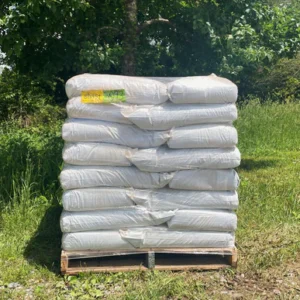
The 50 lb peanut meal bag is a practical size for gardeners, landscapers, community gardens, and growers who require more material than a small household package provides. Bulk packaging can be convenient for larger growing areas and repeated applications. However, proper storage is important. Peanut meal should be kept dry and protected from moisture, pests, contamination, and extreme environmental conditions. Because peanut-derived products may be relevant to people with peanut allergies, users should also consider appropriate handling precautions and intended-use requirements.
Responsible Soil Management
Using organic amendments effectively requires a long-term approach. Soil testing, crop rotation, composting, mulching, appropriate irrigation, and careful nutrient management can all contribute to healthy soil. Peanut meal should be considered one component of a broader soil-fertility strategy rather than a universal solution. Gardeners should follow the product label and avoid excessive application.
Conclusion
Peanut Meal (8-1-1) – 50 lb Bag provides an organic nutrient source that can be incorporated into suitable gardening, landscaping, and agricultural soil-management programs. Its 8-1-1 analysis indicates a relatively nitrogen-rich material, making it particularly relevant where additional nitrogen and organic nutrient inputs are appropriate. As the peanut meal breaks down, microorganisms help make its nutrients available to plants.
This gradual release can complement long-term soil-building practices. However, the effectiveness and suitability of the product depend on soil conditions, crop requirements, climate, moisture, and application practices. For gardeners searching for Peanut Meal 8-1-1 , the 50 lb bag offers a convenient bulk option for appropriate applications. Combining peanut meal with soil testing, balanced fertilization, proper irrigation, and good gardening practices can help support healthy soil and productive plants while making responsible use of an agricultural byproduct. :::
Reviews
There are no reviews yet.