

Description
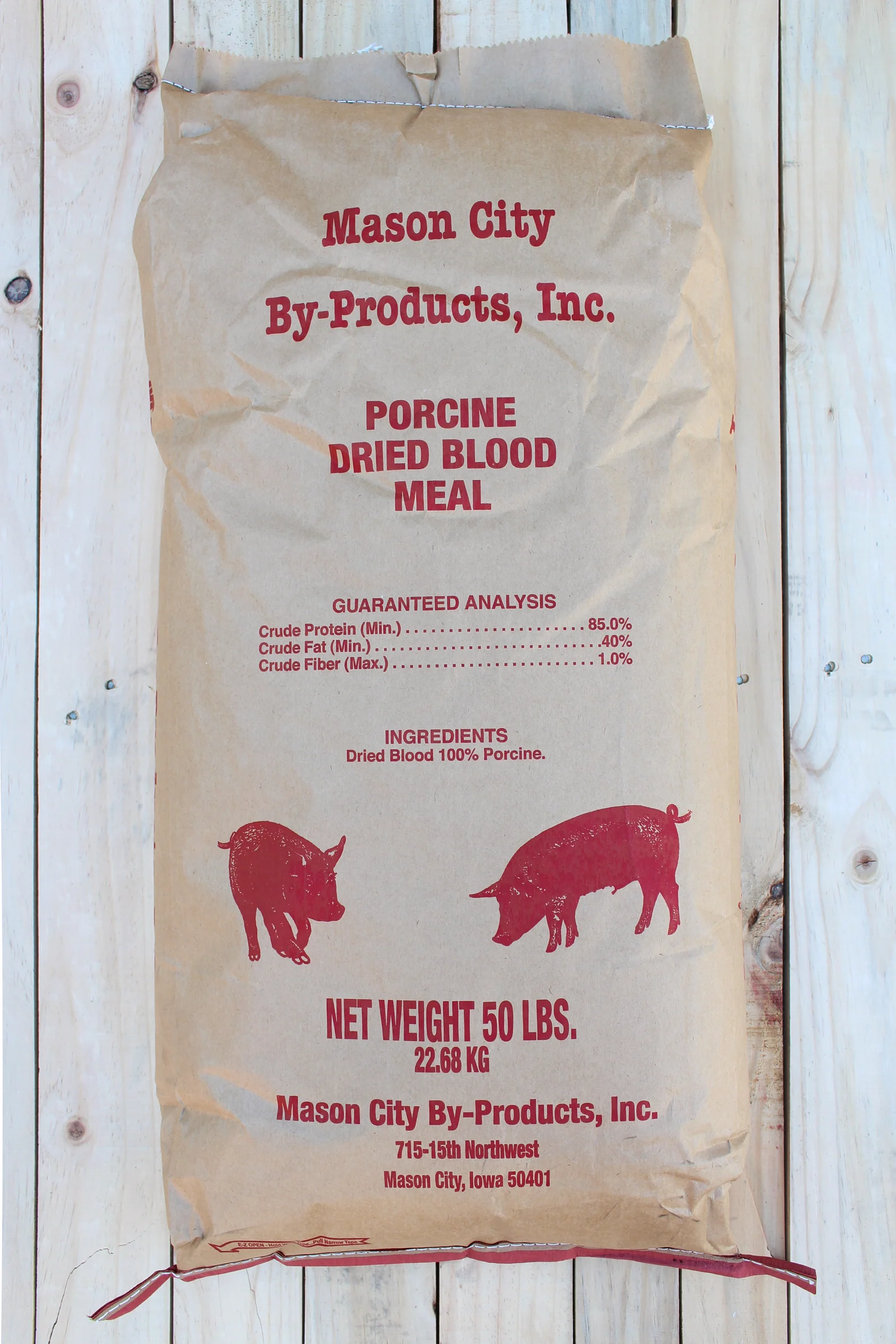
Blood Meal (13-0-0): High-Nitrogen Organic Fertilizer for Healthy Plant Growth
Introduction to Blood Meal (13-0-0) Fertilizer
Blood Meal (13-0-0) is a popular organic nitrogen fertilizer used by gardeners, farmers, landscapers, and commercial growers to support healthy plant growth and improve soil fertility. Known for its high nitrogen content, blood meal is an excellent option for plants that require additional nitrogen to develop strong stems, lush green foliage, and vigorous vegetative growth. With a typical nutrient analysis of 13-0-0, this organic fertilizer contains approximately 13% nitrogen and no guaranteed phosphate or potash, making it a concentrated source of nitrogen for a wide range of gardening and agricultural applications.
Derived from dried and processed animal blood, blood meal is valued by organic gardening enthusiasts for its concentrated nutrient content and ability to release nitrogen gradually as soil microorganisms break down the material. When used correctly, Blood Meal (13-0-0) can help address nitrogen deficiencies, support leafy plant development, and complement a balanced soil fertility program. Whether you are growing vegetables, maintaining ornamental plants, cultivating fruit crops, or improving garden soil, blood meal fertilizer offers a practical way to supply nitrogen when plants need it most. Understanding its benefits, application methods, and limitations can help you use this organic fertilizer effectively.
What Is Blood Meal (13-0-0)?
Blood meal is an organic fertilizer made from animal blood that has been collected, dried, and processed into a concentrated material suitable for agricultural and horticultural use. It is commonly sold as a powder or granular product and is primarily used as a nitrogen fertilizer. The fertilizer analysis 13-0-0 represents the percentages of the three primary plant nutrients: nitrogen (N), phosphate expressed as P₂O₅, and potash expressed as K₂O. In this formulation, the product contains 13% nitrogen, with no guaranteed phosphate or potash. Nitrogen is essential for plant growth because it contributes to chlorophyll production, amino acid formation, protein synthesis, and numerous metabolic processes.
Plants with sufficient nitrogen typically develop healthy green leaves and vigorous vegetative growth, while nitrogen-deficient plants may display pale or yellowing leaves and reduced growth. Blood Meal (13-0-0) is especially useful when soil testing or visible symptoms indicate that additional nitrogen is needed. Because blood meal does not provide a complete balance of essential nutrients, it is best used as part of a broader soil management and fertilization strategy.
Key Benefits of Blood Meal (13-0-0) Organic Fertilizer
1. High Nitrogen Content for Vigorous Plant Growth
One of the main advantages of Blood Meal (13-0-0) is its concentrated nitrogen content. Nitrogen supports the development of leaves, stems, and other vegetative plant structures. It is particularly important during active growth periods when plants are producing new foliage. Adding blood meal to nitrogen-deficient soil can help improve plant color, encourage leaf development, and support overall growth. It is often considered for leafy vegetables and ornamental plants that have substantial nitrogen requirements. However, applying more nitrogen than a plant needs can encourage excessive foliage, weaken plant structure, delay flowering, and negatively affect fruit production. Proper application rates are therefore essential.
2. An Organic Source of Plant Nutrients
Blood meal is an animal-derived organic fertilizer that supplies nitrogen through the breakdown of organic material. Soil microorganisms help convert its nitrogen into forms that plant roots can absorb. The rate of nutrient release depends on soil temperature, moisture, microbial activity, and other environmental conditions. This makes blood meal different from many readily soluble synthetic nitrogen fertilizers. Gardeners seeking organic nutrient sources may incorporate blood meal into their soil management programs, provided the product meets their applicable organic production requirements. Organic certification and permitted uses should always be confirmed with the relevant certifying organization.
3. Supports Healthy Green Foliage
Nitrogen is a central component of chlorophyll, the pigment that allows plants to capture sunlight for photosynthesis. When nitrogen availability is inadequate, plants may develop yellowing leaves, slower growth, and reduced vigor. Blood Meal (13-0-0) can help correct nitrogen shortages when applied at an appropriate rate. It is often used for leafy vegetables, ornamental foliage plants, and other crops where healthy vegetative growth is important. Before applying blood meal to plants with yellow leaves, consider other possible causes, including overwatering, poor drainage, root damage, unsuitable soil pH, and deficiencies of other nutrients.
4. Suitable for Many Garden and Agricultural Applications
Blood meal fertilizer can be used in vegetable gardens, flower beds, landscape plantings, and selected agricultural growing systems. Its concentrated nitrogen content makes it useful in situations where a targeted nitrogen amendment is needed. Potential applications include leafy greens, cabbage, broccoli, corn, and nitrogen-demanding ornamental plants. Suitability depends on the crop, soil conditions, planting stage, and the fertilizer’s label instructions. Blood meal is not necessarily the best nitrogen source for every plant. Root crops and fruiting crops, for example, may require carefully managed nitrogen levels to avoid excessive vegetative growth at the expense of the desired harvest.
5. Complements a Balanced Soil Fertility Program
Healthy plant growth depends on more than nitrogen alone. Plants also require phosphorus, potassium, calcium, magnesium, sulfur, and several micronutrients. Because Blood Meal (13-0-0) does not guarantee phosphate or potash, it should not automatically replace a complete fertilizer. Instead, it can be combined with other nutrient sources when soil testing indicates additional nutrients are required. A balanced approach helps growers provide the nutrients needed for root development, flowering, fruit production, stress tolerance, and overall plant health.
How to Use Blood Meal (13-0-0) Fertilizer
Correct application is important for achieving the benefits of blood meal while minimizing the risk of nitrogen overapplication. For garden beds: Blood meal can be incorporated into the soil before planting according to the product label. Mix it evenly into the recommended soil zone rather than leaving concentrated amounts in direct contact with seeds or roots. For established plants: Apply the recommended amount around the plant’s root zone, avoiding direct contact with stems and foliage.
Water as directed by the product label to help the material integrate into the soil. For vegetable gardens: Use blood meal only when the crop’s nitrogen requirements justify its application. Follow crop-specific recommendations and avoid repeated applications without assessing plant growth and soil nutrient needs.
For landscape plants: Blood meal may be appropriate for selected shrubs, flowers, and foliage plants that need additional nitrogen. Always consider the plant species and its preferred nutrient conditions before applying fertilizer. Application rates vary by product, soil type, crop, and growing conditions. Read the product label carefully, and use soil testing or professional agronomic guidance to determine the appropriate amount.
Which Plants Benefit from Blood Meal Fertilizer?
Blood Meal (13-0-0) is most useful for plants that require additional nitrogen during vegetative growth. Common examples include lettuce, spinach, kale, cabbage, broccoli, and other leafy vegetables. Corn and some ornamental foliage plants may also benefit from additional nitrogen when soil supplies are inadequate. Flowering plants and fruit-bearing crops can require nitrogen as well, but excessive nitrogen may promote leaves and stems at the expense of flowering or fruit development. For root vegetables such as carrots and radishes, avoid excessive nitrogen applications because they can encourage unwanted foliage growth and may affect root quality. Always match fertilizer selection and application rates to the specific crop.
Blood Meal vs. Other Nitrogen Fertilizers
Blood meal differs from other nitrogen fertilizers in its source, nutrient concentration, and release characteristics.
-
- Blood meal: An animal-derived organic fertilizer commonly containing around 13% nitrogen in a 13-0-0 formulation. Nutrient release depends on decomposition and soil conditions.
-
- Compost: Supplies variable quantities of nutrients and organic matter, generally with a lower and less predictable nitrogen concentration.
-
- Urea: A concentrated nitrogen fertilizer that is rapidly converted into plant-available forms under suitable soil conditions, with potential nitrogen losses if improperly managed.
-
- Fish-based fertilizers: Organic nutrient products that may supply nitrogen along with varying amounts of other nutrients, depending on the formulation.
-
- Feather meal: An animal-derived nitrogen source that releases nutrients as its proteins break down, with release characteristics that depend on processing and soil conditions.
The best choice depends on crop needs, nutrient availability, soil conditions, budget, and production goals. Blood meal is particularly useful when a concentrated organic nitrogen source is desired, but it should not be selected solely because it is labeled organic.
Important Precautions When Applying Blood Meal
Although blood meal can be an effective nitrogen fertilizer, proper handling and application are essential. Excessive nitrogen may damage plants, contribute to nutrient imbalances, and increase the risk of nitrate movement into groundwater. Blood meal may also attract dogs and other animals because of its animal-derived origin. Store it securely and follow the product label to reduce unwanted animal access. Wear the protective equipment recommended on the product label, avoid inhaling dust, and wash your hands after handling. Keep the product away from children, pets, and food preparation areas. Do not assume that an organic fertilizer is automatically harmless or suitable for every growing situation.
Why Choose Blood Meal (13-0-0) for Your Garden or Farm?
Blood Meal (13-0-0) offers a concentrated organic nitrogen source for gardeners, farmers, landscapers, and commercial growers who need to address nitrogen deficiencies. Its high nitrogen analysis makes it useful for supporting leaf development, maintaining healthy green foliage, and encouraging vigorous vegetative growth when plants require additional nitrogen.
The product can be incorporated into vegetable gardening, ornamental landscaping, and other agricultural nutrient management programs. Its effectiveness depends on selecting the appropriate application rate, using it at the right growth stage, and considering the other nutrients available in the soil. For growers looking for an animal-derived organic nitrogen fertilizer, blood meal provides a practical option that can complement compost, other organic amendments, and carefully selected fertilizers.
Conclusion: Blood Meal (13-0-0), a Concentrated Organic Nitrogen Fertilizer
Blood Meal (13-0-0) is a valuable organic fertilizer for supplying nitrogen to plants that need additional support for healthy vegetative growth. With approximately 13% nitrogen and no guaranteed phosphate or potash, it offers a targeted approach to correcting nitrogen deficiencies and supporting green foliage. From home vegetable gardens to landscape plantings and selected commercial growing operations, blood meal can contribute to a productive soil fertility program when used correctly.
Its organic origin, concentrated nitrogen content, and broad range of potential applications make it a useful option for growers seeking an alternative to conventional nitrogen fertilizers. For the best results, select a quality Blood Meal (13-0-0) product, follow label directions, assess soil nutrient levels, and avoid excessive application. By incorporating blood meal into a balanced, crop-specific fertilization strategy, gardeners and agricultural professionals can support healthy plant development while managing nutrients responsibly.

Reviews
There are no reviews yet.