

Description
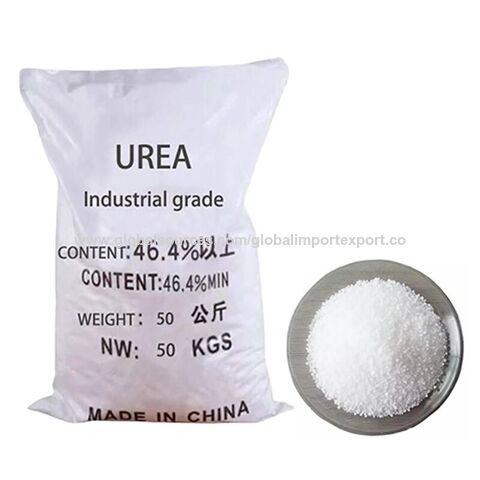
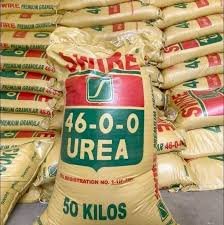
Urea Nitrogen Fertilizer Prilled/Granules 46-0-0 – Urea N46% 50KG: Benefits, Uses, and Application Guide
Introduction to Urea Nitrogen Fertilizer 46-0-0 – 50KG
Nitrogen is one of the most important nutrients require for healthy plant growth and successful agricultural production. It plays a vital role in chlorophyll formation, protein synthesis, leaf development, and many other processes that support plant health. For farmers, gardeners, and agricultural businesses looking for a concentrated nitrogen source, Urea Nitrogen Fertilizer Prilled/Granules 46-0-0, Urea N46% 50KG is a popular product category worth understanding.
Urea fertilizer is widely use in agriculture because it contains approximately 46% nitrogen by weight. The fertilizer grade 46-0-0 indicates that the product contains 46% nitrogen, with no declare phosphate or potash in the standard N-P-K analysis. Available in prilled or granular forms, urea fertilizer can be incorporated into fertilizer programs for many crops, subject to local recommendations and proper application practices.
The 50KG bag is a common packaging size for agricultural fertilizer buyers, making it a practical option for farms, crop production businesses, and fertilizer distributors. Understanding its characteristics, benefits, storage requirements, and correct application methods can help users make informed purchasing decisions and manage nitrogen more efficiently.
What Is Urea Nitrogen Fertilizer 46-0-0?
Urea is a nitrogen fertilizer containing the chemical compound commonly represent as CO(NH₂)₂. Commercial agricultural urea typically contains approximately 46% nitrogen, making it one of the most concentrated solid nitrogen fertilizers commonly used in crop production.
After application to soil, urea undergoes a transformation process in which the enzyme urease converts it into ammonium-related compounds. Depending on soil conditions, the ammonium can subsequently be converted into nitrate through microbial activity. Plants can absorb nitrogen in both ammonium and nitrate forms.
Nitrogen supports several essential plant functions, including the development of green leaves, the formation of proteins, and the production of enzymes involved in growth and metabolism. An adequate nitrogen supply can help crops develop healthy foliage and maintain productive growth when other essential requirements are also met.
However, more fertilizer does not necessarily mean better results. Excess nitrogen can cause unwanted vegetative growth, increase the risk of nutrient losses, and potentially affect crop quality. Soil testing, crop requirements, and local agricultural recommendations should guide fertilizer use.
Understanding Prilled and Granular Urea Fertilizer
Urea fertilizer is commonly sold in prilled or granular forms. Both forms supply nitrogen, but they may differ in particle size, physical strength, and handling characteristics.
Prilled Urea Fertilizer
Prilled urea is produced as relatively small, rounded particles through a prilling process. Depending on the product, prills may be useful for certain fertilizer blending, spreading, or agricultural applications.
The physical characteristics of prilled urea can influence storage, flowability, and distribution during application. Buyers should check the supplier’s product specifications for particle size, moisture content, and handling recommendations.
Granular Urea Fertilizer
Granular urea is produced in larger particles through a granulation process. Depending on its quality and particle specifications, granular fertilizer may offer useful handling and spreading characteristics for particular agricultural systems.
Granule size and uniformity can affect the consistency of fertilizer distribution, particularly when mechanical spreaders are used. Compatibility with other fertilizer materials should be checked before blending.
Which Form Is Better?
Neither prilled nor granular urea is automatically the best option for every farm. The appropriate choice depends on the application equipment, spreading method, crop requirements, soil conditions, and supplier specifications.
Both forms can supply nitrogen when used appropriately. Buyers should select the product that best suits their farm’s application method and storage conditions.
Key Features of Urea N46% Fertilizer – 50KG Bag
The Urea Nitrogen Fertilizer 46-0-0 50KG product category offers several practical characteristics for agricultural users.
- High nitrogen concentration: Approximately 46% nitrogen by weight provides a concentrated source of this essential plant nutrient.
- Prilled or granular options: Different physical forms can accommodate varying handling and spreading preferences.
- Convenient packaging: A 50KG bag can be suitable for farms, agricultural suppliers, and other fertilizer buyers.
- Flexible crop nutrition planning: Urea can be included in nitrogen-management programs for many crops when supported by appropriate recommendations.
- Compatibility with planned fertilizer programs: Urea may be used alongside other nutrients when the overall fertilizer plan accounts for crop needs and product compatibility.
Always confirm the actual nitrogen analysis, product form, and quality specifications on the supplier’s label before purchasing.
Benefits of Urea Nitrogen Fertilizer for Crop Growth
1. Supports Healthy Leaf Development
Nitrogen is essential for chlorophyll, the pigment that enables plants to capture light energy for photosynthesis. Adequate nitrogen availability can support healthy leaf development and green plant growth.
Nitrogen deficiency may result in pale or yellowing leaves, often beginning with older leaves, although similar symptoms can also arise from other nutrient deficiencies, root problems, or environmental stress. Diagnosis should be based on the overall crop condition and, when appropriate, soil or plant testing.
2. Contributes to Protein Formation
Nitrogen is a key component of amino acids, which plants use to build proteins. These proteins are involved in plant structure, metabolism, and growth.
Providing an appropriate nitrogen supply can support crop development and productive growth. The correct amount varies according to crop species, growth stage, soil nitrogen availability, expected yield, and local production conditions.
3. Helps Support Productive Crop Growth
Crops require sufficient nitrogen to develop leaves, stems, and other plant structures. When nitrogen is limiting, growth and yield potential may decline.
Urea fertilizer can help address nitrogen requirements when applied at an appropriate rate and time. It cannot, however, replace other essential nutrients, adequate water, suitable growing conditions, or proper crop management.
4. Concentrated Nutrient Supply
With approximately 46% nitrogen by weight, urea provides a concentrated nutrient source. This means a relatively small mass of fertilizer can supply a substantial quantity of nitrogen compared with lower-analysis products.
For fertilizer planning, always calculate the amount of nitrogen required rather than applying a product solely according to bag size.
Common Agricultural Uses of Urea 46-0-0 Fertilizer
Urea is used in fertilizer programs for many agricultural crops, including cereals, vegetables, oilseeds, forage crops, and other crops with nitrogen requirements. Its suitability and application schedule depend on the crop, soil, climate, and local recommendations.
Cereal and Grain Production
Crops such as rice, wheat, and maize require nitrogen for leaf development and productive growth. Urea may be included in their nutrient-management programs, with application timing determined by crop requirements and local agronomic advice.
Vegetable Farming
Many vegetable crops require nitrogen for healthy growth, but excessive nitrogen can affect crop development, maturity, or product quality. Growers should base fertilizer applications on crop-specific guidance and avoid applying more nitrogen than necessary.
Forage and Pasture Management
Nitrogen can support the growth of certain forage grasses and other pasture plants. However, pasture fertilization should consider soil conditions, grazing management, weather, and the risk of nitrogen losses.
Commercial Crop Production
Commercial growers may use urea as part of a planned fertilizer program that includes other nutrients. Soil testing, nutrient budgeting, and careful application can help match fertilizer inputs to crop demand.
Not every crop requires the same amount of nitrogen, and the fertilizer rate should never be determined by the 50KG bag size alone.
Best Practices for Applying Urea Nitrogen Fertilizer
Correct fertilizer management is important for improving nitrogen availability and reducing nutrient losses.
Follow crop-specific recommendations. Use soil test results, crop nutrient requirements, and local agricultural guidance to determine the appropriate rate.
Consider application timing. Nitrogen should be supplied when the crop can use it effectively. Applying large quantities too early may increase the risk of losses before peak crop demand.
Reduce volatilization losses. When urea remains on the soil surface, some nitrogen may be lost as ammonia gas, particularly under conditions that favor volatilization. Incorporation into soil, appropriate rainfall or irrigation, and other locally recommended practices may help reduce these losses.
Avoid application before heavy rainfall. Heavy rainfall can move nitrogen beyond the root zone or increase runoff risks, depending on soil and site conditions.
Spread fertilizer uniformly. Uneven application can create areas with excess nitrogen and areas with insufficient nitrogen. Calibrate spreading equipment and follow the manufacturer’s instructions.
Avoid contact with sensitive plant tissues. Incorrectly applied concentrated fertilizer can injure plants. Follow crop-specific recommendations, especially for foliar applications or placement near seeds and roots.
Storage and Handling of Urea 46-0-0 Fertilizer
Proper storage helps preserve fertilizer quality and makes handling safer and more convenient.
Keep the 50KG bag in a dry, well-ventilated storage area protected from rain, standing water, and excessive moisture. Urea is water-soluble and can absorb moisture under unsuitable storage conditions, leading to caking or handling difficulties.
Keep bags off damp floors, close opened packaging appropriately, and follow the supplier’s storage recommendations. Protect the product from contamination with other chemicals or materials.
During handling, minimize dust exposure and follow any safety instructions provided by the supplier. Keep fertilizer away from food and animal feed, and ensure that bags are stored securely.
How to Choose a Reliable Urea Fertilizer Supplier
When purchasing Urea Nitrogen Fertilizer Prilled/Granules 46-0-0 – 50KG, check the product analysis, packaging condition, supplier reputation, and available quality documentation.
A reliable supplier should clearly identify the fertilizer grade, physical form, net weight, and relevant product specifications. If the fertilizer is intended for commercial farming, buyers may also want information about moisture content, particle size distribution, and other quality characteristics.
Compare prices alongside product quality, delivery arrangements, storage conditions, and the consistency of the supplier’s specifications. The lowest price is not necessarily the best value if the product’s quality or handling characteristics are unsuitable for the intended use.
Frequently Asked Questions About Urea Fertilizer 46-0-0
What does 46-0-0 mean in urea fertilizer?
It indicates a fertilizer analysis of approximately 46% nitrogen, 0% declared phosphate, and 0% declared potash.
How much nitrogen is in a 50KG bag of urea?
At 46% nitrogen, a 50KG bag contains approximately 23KG of nitrogen, assuming the product meets the stated analysis.
What is the difference between prilled and granular urea?
They differ primarily in how the particles are manufactured and their physical characteristics. The better option depends on the spreading equipment, handling needs, and supplier specifications.
Can urea fertilizer be used for all crops?
Urea supplies nitrogen, which many crops require, but the appropriate rate and timing differ. Follow crop-specific fertilizer recommendations and consider soil testing.
How should urea fertilizer be stored?
Store it in a dry, protected location, keep bags away from moisture, and follow the supplier’s storage instructions to reduce caking and preserve product quality.
Conclusion
Urea Nitrogen Fertilizer Prilled/Granules 46-0-0 – Urea N46% 50KG is an important fertilizer product category for farmers, agricultural suppliers, and commercial crop producers seeking a concentrated nitrogen source. With approximately 46% nitrogen by weight, urea can support healthy plant growth when incorporated into a balanced, crop-specific nutrient-management program.
Prilled and granular forms provide different physical characteristics that may suit different handling and application systems. Before purchasing, verify the fertilizer analysis, particle form, bag weight, and supplier quality specifications.
For the best results, use soil testing and crop requirements to guide application rates, apply nitrogen at appropriate times, and manage storage carefully. Responsible fertilizer use can improve nutrient efficiency, reduce avoidable losses, and support productive agricultural operations.
Reviews
There are no reviews yet.