

Description
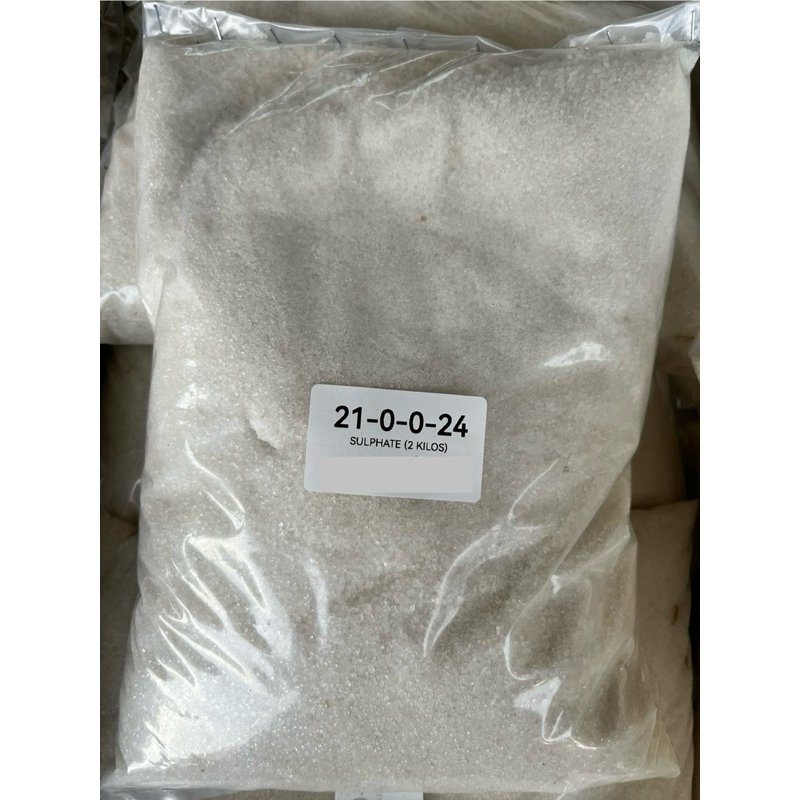
Swire Ammonium Sulfate 21-0-0 Fertilizer: Benefits, Uses, and Application Guide
Introduction to Swire Ammonium Sulfate 21-0-0 Fertilizer
Swire Ammonium Sulfate 21-0-0 Fertilizer is a nitrogen-based agricultural fertilizer designed to support healthy plant development and help meet the nutrient requirements of various crops. It is an option for farmers, agricultural suppliers, commercial growers, and plantation operators seeking to improve soil nutrient management and maintain productive farming operations. By supplying nitrogen and sulfur, ammonium sulfate can contribute to plant growth and crop nutrition when applied according to soil conditions and crop requirements.
Nitrogen is one of the essential nutrients plants need for chlorophyll production, protein formation, enzyme activity, and vegetative growth. Sulfur is also important because plants use it to produce certain amino acids and proteins. A fertilizer that supplies both nutrients can be useful in farming systems where soil tests or crop recommendations indicate a need for additional nitrogen and sulfur.
The 21-0-0 fertilizer grade generally indicates 21% nitrogen, with no declared phosphate or potash content. Ammonium sulfate fertilizer commonly also supplies sulfur, although buyers should verify the exact sulfur analysis and product specifications on the Swire product label before purchase.
Whether used in rice farming, corn production, vegetable cultivation, or other agricultural applications, Swire Ammonium Sulfate 21-0-0 Fertilizer should be part of a balanced crop nutrition program. Proper nutrient management helps growers meet plant needs while avoiding unnecessary fertilizer use and reducing potential environmental impacts.
What Is Swire Ammonium Sulfate 21-0-0 Fertilizer?
Ammonium sulfate is an inorganic fertilizer containing nitrogen in the ammonium form and sulfur in the sulfate form. It is widely used in agriculture as a source of these two essential plant nutrients.
The fertilizer grade 21-0-0 describes the product’s nitrogen, phosphate, and potash analysis. Specifically, it indicates 21% nitrogen, 0% declared phosphate, and 0% declared potash. These figures do not describe every nutrient in the product, so the label should be checked for its sulfur content and other specifications.
Because ammonium sulfate does not supply significant amounts of phosphorus or potassium according to this grade, additional fertilizers may be necessary when crops require these nutrients. Soil testing is a practical way to identify nutrient deficiencies and develop a fertilizer plan suited to the farm.
Key Benefits of Swire Ammonium Sulfate 21-0-0 Fertilizer
1. Supplies Nitrogen for Plant Growth
Nitrogen is essential for healthy plant development. It contributes to chlorophyll formation, photosynthesis, protein synthesis, and the development of leaves and stems. When nitrogen is limited, plants may exhibit slow growth, pale or yellowing older leaves, and reduced productivity.
Swire Ammonium Sulfate 21-0-0 Fertilizer can supply nitrogen to crops that require supplemental nutrition. The appropriate application rate depends on the crop, soil fertility, growth stage, expected yield, and nitrogen already available from other sources.
2. Provides Sulfur for Crop Nutrition
Sulfur supports the formation of amino acids, proteins, and other compounds involved in normal plant growth. Some agricultural soils may not supply enough sulfur to meet crop requirements, particularly where soil organic matter is low or sulfur inputs have declined.
Ammonium sulfate provides nitrogen and sulfate sulfur in the same fertilizer. This combination may be beneficial when both nutrients are needed. However, growers should confirm the sulfur analysis on the product label and assess whether additional sulfur is necessary.
3. Supports Balanced Fertilizer Management
Successful crop production requires more than nitrogen alone. Plants also need phosphorus, potassium, calcium, magnesium, and micronutrients in appropriate amounts.
Swire Ammonium Sulfate 21-0-0 can be incorporated into a wider fertilizer program that supplies the nutrients required by the crop. Combining soil testing with crop-specific recommendations helps growers avoid nutrient imbalances and select suitable fertilizer products.
4. Can Help Manage Soil pH
Ammonium sulfate is generally considered an acid-forming nitrogen fertilizer because the transformation of ammonium nitrogen in soil can contribute to soil acidification. This property may be relevant in soils where a gradual reduction in pH is desired, but it can be undesirable in already acidic soils.
Farmers should monitor soil pH and follow local agronomic recommendations before repeated applications. Lime or other soil amendments may be required where soil acidity becomes a concern. Ammonium sulfate should not be used as a substitute for a proper soil pH management plan.
Common Agricultural Uses of Swire Ammonium Sulfate 21-0-0 Fertilizer
Rice Farming
Rice crops need nitrogen to support leaf growth, tillering, and the development of productive plants. Ammonium sulfate may be included in rice fertilization programs when nitrogen and sulfur are required.
The correct application schedule depends on the rice production system, soil conditions, irrigation practices, and regional recommendations. In flooded fields, careful fertilizer management is especially important to reduce nitrogen losses and protect nearby water resources.
Corn and Cereal Production
Corn, wheat, and other cereal crops rely on adequate nitrogen to support vegetative growth and grain development. Sulfur is also important for normal plant metabolism and protein production.
Swire Ammonium Sulfate 21-0-0 may be used as part of a crop nutrition plan for these crops when soil testing and local recommendations support its use. Additional phosphorus or potassium may be needed depending on soil fertility.
Vegetable Cultivation
Vegetable crops require balanced nutrition throughout their growing cycles. Nitrogen supports foliage development, while sulfur contributes to essential plant processes. Ammonium sulfate can be considered where both nutrients are needed and the crop is suited to the application.
Overapplication of nitrogen can promote excessive leafy growth, delay maturity, or affect crop quality. Growers should follow crop-specific fertilizer recommendations instead of applying the same amount to every vegetable variety.
Plantation and Commercial Farming
Commercial growers may use ammonium sulfate as one component of a broader nutrient management program. The suitability of the fertilizer depends on the crop species, soil characteristics, rainfall, irrigation, and other nutrient inputs.
For perennial crops and plantations, soil and, where appropriate, plant tissue testing can help determine nutrient requirements over time.
How to Apply Swire Ammonium Sulfate 21-0-0 Fertilizer
Correct application helps crops use nutrients effectively and reduces unnecessary losses. Before applying Swire Ammonium Sulfate 21-0-0, assess soil fertility and determine the crop’s nitrogen and sulfur requirements.
Depending on the crop and product label, application may involve broadcasting, band placement, or incorporation into soil. Use properly calibrated equipment to distribute the fertilizer evenly. Avoid placing concentrated fertilizer directly against seeds or sensitive plant tissues unless the recommended application method specifically permits it.
Application timing should match crop nutrient demand and local recommendations. Avoid applying fertilizer immediately before heavy rainfall when runoff or nutrient movement may occur. Do not assume that a single application rate is appropriate for every crop or soil type.
Because ammonium sulfate can contribute to soil acidification, repeated use should be accompanied by periodic soil pH monitoring, particularly in acidic soils.
Storage and Handling Guidelines
Store Swire Ammonium Sulfate 21-0-0 Fertilizer in a dry, well-ventilated area, protected from moisture and direct exposure to unsuitable storage conditions. Keep the product in its original labeled packaging and follow the manufacturer’s storage instructions.
Wear appropriate protective equipment, such as gloves and eye protection, when handling fertilizer. Avoid inhaling dust, wash your hands after handling, and keep the product away from food, animal feed, children, and unauthorized users.
Prevent fertilizer from entering streams, ponds, drains, and other waterways. Excess nitrogen can contribute to water pollution and algal growth. Clean up spills according to the product’s safety instructions and comply with local requirements for storage and disposal.
Why Choose Swire Ammonium Sulfate 21-0-0 Fertilizer?
For agricultural businesses seeking a fertilizer that supplies nitrogen and sulfur, Swire Ammonium Sulfate 21-0-0 Fertilizer may be a useful option for a range of crop nutrition programs. Its role is particularly relevant where soil tests identify a need for these nutrients and where soil pH conditions are suitable.
Before purchasing, buyers should confirm the exact product label, nitrogen and sulfur analysis, packaging size, quality documentation, and supplier information. Selecting the right fertilizer and applying it correctly can help support responsible nutrient management and productive farming practices.
Conclusion
Swire Ammonium Sulfate 21-0-0 Fertilizer is a nitrogen fertilizer that can also provide sulfur, two nutrients essential for normal plant growth and crop development. It may be incorporated into fertilization programs for rice, corn, cereals, vegetables, and other crops when soil conditions and crop requirements justify its use.
For the best results, farmers should base application decisions on soil testing, crop-specific nutrient recommendations, and the manufacturer’s instructions. Monitoring soil pH is particularly important because ammonium sulfate can contribute to soil acidification over time. With appropriate planning and responsible application, Swire Ammonium Sulfate 21-0-0 Fertilizer can be a valuable component of a balanced agricultural nutrient management program.

Reviews
There are no reviews yet.