

Description
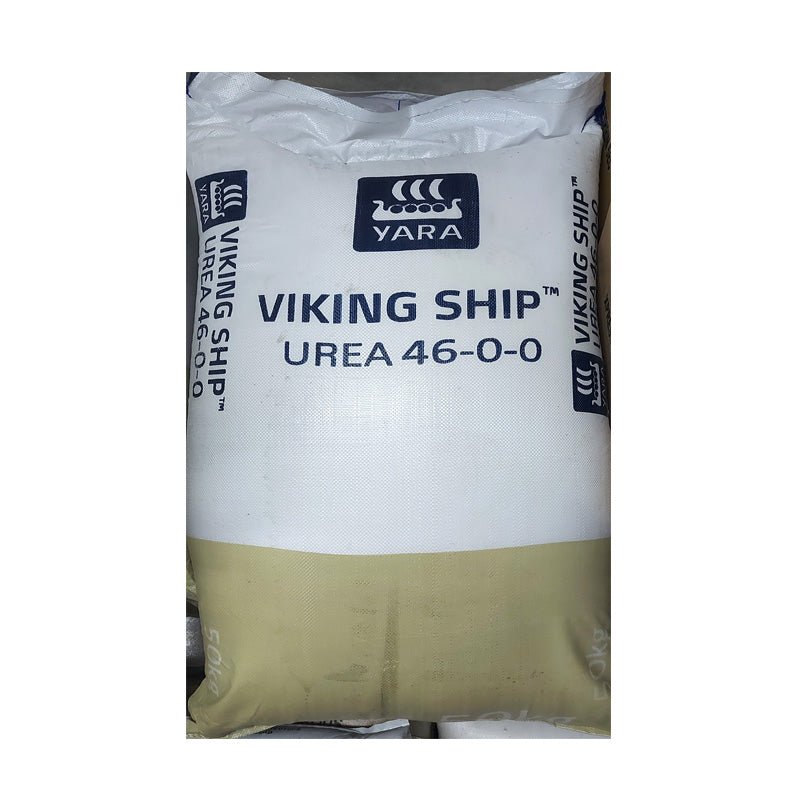
YaraVera Viking Ship Urea 46-0-0 Fertilizer: Benefits, Uses, and Importance in Modern Agriculture
Introduction to YaraVera Viking Ship Urea 46-0-0 Fertilizer
Modern agriculture relies on effective soil management, balanced plant nutrition, and reliable fertilizer products to support healthy crop growth and productive harvests. Among the essential nutrients required by plants, nitrogen plays a vital role in leaf development, chlorophyll production, protein synthesis, and overall plant growth. YaraVera Viking Ship Urea 46-0-0 Fertilizer is a product name associated with a high-nitrogen fertilizer category that agricultural buyers may search for when looking for concentrated nitrogen sources for crop.
Urea fertilizer is widely used in agriculture because of its high nitrogen concentration. A fertilizer labeled 46-0-0 contains 46% nitrogen, with no declared phosphate or potash in its NPK analysis. This makes it a potential option for farmers who need to supplement nitrogen in their soil fertility management program.
When evaluating YaraVera Viking Ship Urea 46-0-0 Fertilizer, buyers should verify the exact product identity, manufacturer information, packaging, and guaranteed analysis with the supplier. Product names and branding can vary by market, so checking the original label is important before making purchasing or application decisions.
This comprehensive guide explains the characteristics of urea 46-0-0 fertilizer, its potential agricultural benefits, application practices, storage recommendations, and importance in responsible crop nutrition.
What Is YaraVera Viking Ship Urea 46-0-0 Fertilizer?
Urea is a concentrated nitrogen fertilizer with the chemical formula CO(NH₂)₂. It is commonly used in crop production because it contains a relatively high proportion of nitrogen by weight. Once applied to soil, urea undergoes transformations that make its nitrogen available for plant uptake.
The fertilizer grade 46-0-0 represents three declared nutrient values:
- 46% nitrogen (N): Supports vegetative development, chlorophyll formation, and protein synthesis.
- 0% phosphate (P₂O₅): Indicates no declared phosphate content in the NPK analysis.
- 0% potash (K₂O): Indicates no declared potash content in the NPK analysis.
At a 46% nitrogen concentration, 100 kilograms of urea fertilizer supplies approximately 46 kilograms of nitrogen. Similarly, 50 kilograms of fertilizer supplies approximately 23 kilograms of nitrogen.
These calculations help farmers determine how much fertilizer is needed to meet a recommended nitrogen requirement. The actual application rate, however, should be determined by soil testing, crop needs, expected yield, and local agronomic recommendations.
Key Benefits of Urea 46-0-0 Fertilizer
1. High Nitrogen Concentration
One of the primary advantages of urea 46-0-0 fertilizer is its high nitrogen content. Compared with lower-analysis nitrogen fertilizers, urea supplies a substantial amount of nitrogen per kilogram of product.
This concentrated formulation can help simplify fertilizer calculations, transportation planning, and storage requirements. Farmers can calculate the quantity required to supply a specific nitrogen target, making urea a practical option for many agricultural nutrient management programs.
2. Supports Healthy Leaf and Stem Growth
Nitrogen is essential for the formation of chlorophyll, which plants use to capture sunlight during photosynthesis. It also contributes to amino acids, proteins, enzymes, and other compounds necessary for plant growth.
When crops receive adequate nitrogen, they can develop healthy foliage and maintain productive vegetative growth. Nitrogen deficiency may cause yellowing of older leaves, reduced growth, and poor crop vigor.
Urea 46-0-0 fertilizer can help correct nitrogen deficiency when additional nitrogen is appropriate for the crop and growing conditions. However, excessive nitrogen may encourage overly vigorous vegetative growth, increase lodging risk in some crops, and delay maturity. Applying the correct amount is therefore essential.
3. Supports Crop Nutrient Management
Urea is used in nutrient management programs for a wide range of crops, including cereals, grasses, and selected fruit and vegetable crops. The best application method depends on the crop, soil characteristics, weather, irrigation system, and growth stage.
YaraVera Viking Ship Urea 46-0-0 Fertilizer may be considered by agricultural buyers seeking a high-nitrogen fertilizer, provided the product’s identity and specifications are verified.
Farmers should not assume that a high nitrogen concentration makes a fertilizer suitable for every crop. Nutrient requirements vary, and successful crop production also depends on phosphorus, potassium, sulfur, and other essential nutrients.
4. Convenient Nitrogen Calculations
The 46% nitrogen grade provides a straightforward basis for calculating fertilizer quantities. For example, if a field requires 46 kilograms of nitrogen per hectare, the theoretical quantity of 46-0-0 urea needed to supply that amount is 100 kilograms per hectare.
This is a mathematical example, not a universal application recommendation. The actual field rate may need to be adjusted to account for soil nitrogen, previous applications, organic matter, crop requirements, and expected nitrogen losses.
Accurate calculations help farmers manage fertilizer expenses and reduce the risk of applying excessive nutrients.
Agricultural Uses of Urea 46-0-0 Fertilizer
Urea fertilizer is widely used in agricultural systems where nitrogen supplementation is needed. Its potential applications include selected field crops, cereal production, pasture management, and other crop production systems.
For cereal crops, nitrogen is important for vegetative growth and can influence yield components when applied at appropriate rates and stages. In pasture systems, nitrogen may support grass growth when soil conditions and management practices are suitable.
Fruit and vegetable crops may also require nitrogen, but their needs vary significantly according to species, soil conditions, and production objectives. Excessive nitrogen can affect fruit quality, flowering, maturity, or plant balance in certain crops.
Before applying YaraVera Viking Ship Urea 46-0-0 Fertilizer, confirm that the specific product is suitable for the intended crop and application method. The manufacturer’s label and local agricultural guidance should determine the recommended use.
How to Apply Urea 46-0-0 Fertilizer Correctly
Correct application is essential for improving nitrogen-use efficiency and minimizing nutrient losses. Urea can lose nitrogen through ammonia volatilization when surface-applied under unfavorable conditions, particularly on warm soils or high-pH surfaces without sufficient rainfall or irrigation afterward.
The following practices can help improve fertilizer management:
1. Conduct soil testing. Determine existing soil nutrient levels and identify the amount of additional nitrogen required.
2. Calculate the correct application rate. Use crop-specific recommendations and the 46% nitrogen concentration to determine the amount of fertilizer needed.
3. Apply at the appropriate growth stage. Match nitrogen applications to crop demand to avoid unnecessary nutrient accumulation or losses.
4. Consider incorporation or suitable rainfall. Where appropriate, incorporate urea into the soil or use suitable irrigation or rainfall to move it into the soil and reduce surface nitrogen losses.
5. Consider split applications. For some crops, dividing the recommended nitrogen quantity into several applications can improve nutrient timing and efficiency.
6. Avoid excessive fertilizer application. Too much nitrogen can harm crop performance and contribute to nitrate leaching, ammonia emissions, and other environmental concerns.
7. Follow the product label. Use only the application methods and rates recommended for the specific product and crop.
These steps can help farmers manage urea fertilizer more responsibly and improve the efficiency of their crop nutrition programs.
Understanding the Importance of Balanced Fertilization
Although urea 46-0-0 fertilizer is an important nitrogen source, it does not supply declared phosphate or potash. Plants require these nutrients for processes such as root development, energy transfer, water regulation, and reproductive growth.
A complete soil fertility program should account for all essential nutrients rather than focusing exclusively on nitrogen. Soil testing helps identify deficiencies and determine whether additional phosphorus, potassium, or micronutrients are needed.
Farmers should also consider soil pH, organic matter, drainage, irrigation quality, and previous fertilizer applications when selecting nutrient sources.
By combining nitrogen fertilizer with appropriate soil management and balanced nutrient planning, agricultural producers can make better-informed decisions and reduce unnecessary fertilizer expenses.
Storage and Safe Handling of Urea Fertilizer
Proper storage helps maintain fertilizer quality and supports safe agricultural operations. Store urea fertilizer in its original packaging or an appropriate designated storage system, protected from moisture and contamination.
Keep fertilizer in a dry, well-ventilated area and follow the manufacturer’s storage and safety instructions. Protect bags from rain and standing water, and keep the product away from incompatible materials.
Workers should avoid unnecessary dust exposure and use suitable protective equipment when handling fertilizer. Wash hands after use, prevent unauthorized access to storage areas, and keep fertilizer away from food, animal feed, children, and animals.
For agricultural suppliers, careful handling during transportation and storage helps protect packaging integrity and maintain product condition.
Why Choose YaraVera Viking Ship Urea 46-0-0 Fertilizer?
Agricultural buyers considering YaraVera Viking Ship Urea 46-0-0 Fertilizer should evaluate the product’s verified specifications, nitrogen analysis, packaging, supplier reliability, and intended applications.
A confirmed 46-0-0 grade provides a concentrated nitrogen source that can simplify nutrient calculations and support fertilizer planning. However, the best purchasing decision depends on the needs of the crop, local soil conditions, product authenticity, and overall fertilizer costs.
Buyers should verify whether the product is an authentic Yara-branded fertilizer, a product marketed under a separate name, or a locally distributed fertilizer description. Confirming the label and manufacturer details helps prevent confusion between different products.
For farmers and agricultural distributors, reliable product information is an important part of responsible fertilizer purchasing and effective crop management.
Conclusion
YaraVera Viking Ship Urea 46-0-0 Fertilizer is a search term for a high-nitrogen fertilizer product that buyers may evaluate for agricultural nutrient management. The 46-0-0 grade indicates 46% nitrogen, with no declared phosphate or potash, making this fertilizer category suitable for situations where additional nitrogen is required.
Nitrogen supports chlorophyll production, protein formation, and vegetative growth, but effective fertilizer use requires accurate application rates, appropriate timing, and attention to potential nitrogen losses. Soil testing and crop-specific recommendations are essential for determining the right fertilizer strategy.
Before purchasing, verify the exact product name, manufacturer, guaranteed analysis, packaging, and label instructions with a reliable supplier. By combining accurate product information with balanced fertilization and responsible application practices, farmers can make informed decisions that support crop nutrition and sustainable agricultural production.
Frequently Asked Questions (FAQs)
1. What is Urea 46-0-0 fertilizer used for?
Urea 46-0-0 is a concentrated nitrogen fertilizer used to supplement crop nitrogen requirements when additional nitrogen is needed.
2. What does the 46-0-0 fertilizer grade mean?
It indicates 46% nitrogen, with no declared phosphate or potash in the fertilizer’s NPK analysis.
3. How much nitrogen is in 50 kilograms of urea 46-0-0?
A 50-kilogram quantity contains approximately 23 kilograms of nitrogen at a 46% nitrogen concentration.
4. Can urea fertilizer be used for all crops?
Urea is used for many crops, but the application rate, timing, and method must be adapted to crop requirements and local soil conditions.
5. Does urea 46-0-0 contain phosphorus and potassium?
The stated grade contains no declared phosphate or potash. Other fertilizer sources may be necessary if the soil or crop requires these nutrients.
6. How can nitrogen loss from urea be reduced?
Appropriate timing, soil incorporation, and suitable rainfall or irrigation after application can help reduce ammonia volatilization, depending on local conditions.
Reviews
There are no reviews yet.