

Description
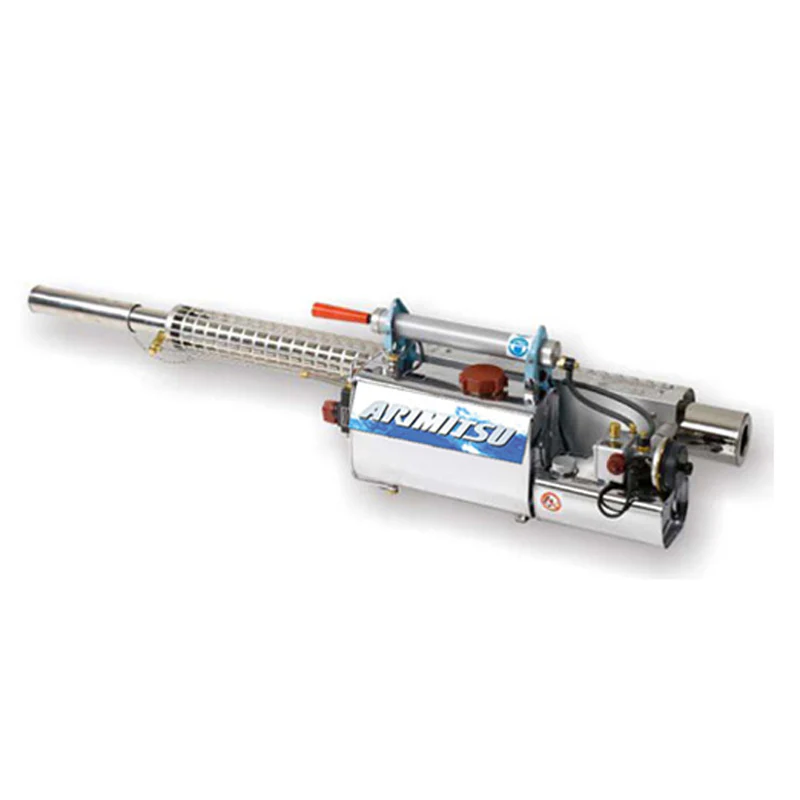
Arimitsu TS-35E Thermal Fogging Machine: Features, Benefits, Applications, and Maintenance Guide
Introduction to the Arimitsu TS-35E Thermal Fogging Machine
Effective pest management and environmental treatment require suitable equipment that can distribute approved liquid formulations efficiently. In agriculture, sanitation, public health, and professional pest control, fogging equipment may be used for specific applications where producing fine droplets helps distribute a treatment over a designated area. Choosing the right machine is essential for achieving the intended result while maintaining operator safety and following applicable regulations.
The Arimitsu TS-35E Thermal Fogging Machine is a product name of interest to buyers searching for professional thermal fogging equipment. Thermal foggers generally use heat to transform a compatible liquid formulation into a visible aerosol or fog. The resulting droplets can remain suspended in the air for a period of time, depending on their size, the formulation, airflow, humidity, temperature, and other environmental conditions.
For pest-control operators, agricultural users, and equipment suppliers, understanding the machine’s intended applications, technical specifications, operating requirements, and maintenance needs is important before purchasing. This article explores the general characteristics of thermal fogging machines, the considerations involved in evaluating the Arimitsu TS-35E, and the best practices for responsible operation.
Because specifications can vary between models and markets, buyers should verify the exact TS-35E configuration, fuel requirements, output capacity, compatible formulations, and approved applications using the manufacturer’s documentation or an authorized distributor.
What Is the Arimitsu TS-35E Thermal Fogging Machine?
The Arimitsu TS-35E Thermal Fogging Machine is a model-specific search term associated with thermal fogging equipment. Thermal foggers use heat and airflow to generate fine droplets from a suitable liquid formulation. The process can create a visible fog that disperses through the surrounding environment.
Unlike cold foggers, which generally produce droplets through mechanical or air-assisted atomization without heating the liquid, thermal foggers use a heat-generating system as part of the fog-production process. The exact technology, output characteristics, and operational requirements depend on the machine design.
The intended application is an important consideration. Thermal fogging equipment may be used in certain approved outdoor pest-control programs, agricultural settings, and specialized treatment operations. However, a machine’s ability to generate fog does not mean it is suitable for every pesticide, disinfectant, indoor environment, or public-health application.
Before purchasing the Arimitsu TS-35E, confirm the manufacturer’s stated purpose and ensure that the machine is compatible with the formulation and application method you intend to use.
Key Features to Evaluate When Buying the Arimitsu TS-35E
When researching the Arimitsu TS-35E Thermal Fogging Machine, buyers should examine several important specifications.
1. Thermal Fogging Technology
Thermal fogging equipment uses heat to produce a fine aerosol from a compatible liquid. This technology is designed for applications where fog formation is an important part of the treatment process.
The quality of fog production depends on the machine’s design, the liquid formulation, and the operating conditions. Always follow the manufacturer’s instructions regarding suitable formulations and operating limits.
2. Machine Output and Performance
Output capacity is a significant factor when comparing fogging equipment. Buyers should consult official documentation for the TS-35E’s verified output rate, droplet characteristics, operating duration, and other performance measurements.
Actual treatment coverage cannot be determined from the model name alone. It depends on the target area, environmental conditions, formulation, required treatment rate, and the application’s approved procedures.
3. Fuel and Power Requirements
Many thermal foggers use a fuel-powered heat-generating system. However, the exact fuel type, ignition system, consumption rate, and operating procedure for the Arimitsu TS-35E should be verified from its manual.
Correct fuel handling is especially important because thermal fogging machines operate with heat and may involve flammable materials. Never substitute fuels or modify the machine’s fuel system without explicit manufacturer authorization.
4. Portability and Handling
Portability can be important for operators who need to move equipment between approved treatment locations. Before buying, check the machine’s dimensions, weight, carrying arrangements, controls, and handling requirements.
These factors influence transport, storage, operator comfort, and the suitability of the machine for a particular work environment.
5. Maintenance and Service Support
Access to spare parts and authorized servicing can influence the long-term value of a thermal fogger. Ask the supplier about replacement components, maintenance intervals, warranty coverage, and the availability of technical support.
A machine with clear operating documentation and accessible service support may be easier to maintain over its service life.
Benefits of Thermal Fogging Equipment
Fine Droplet Distribution
Thermal foggers are designed to generate fine droplets that can disperse into the surrounding air. This characteristic may be useful for certain approved applications that require aerosol distribution.
However, finer droplets can drift beyond the intended area and may be inhaled or deposited on non-target surfaces. Fogging should therefore be conducted only under suitable conditions and in accordance with the treatment product’s label.
Support for Specialized Pest-Control Programs
Thermal fogging may form part of a pest-management program when the machine, formulation, target pest, and application site are all appropriate and legally authorized.
Fogging is not a universal solution for every pest. Its suitability depends on the pest’s behavior, the location, the treatment objective, and the product’s effectiveness against the target organism.
Equipment for Professional Applications
A purpose-built thermal fogger can provide a specialized option for trained operators who require thermal aerosol generation. The machine’s suitability depends on verified specifications and the manufacturer’s intended applications.
Potential Operational Efficiency
For some approved tasks, thermal fogging may help distribute a treatment over a designated area. Efficiency depends on preparation, operating conditions, the size of the treatment zone, and the need for exclusion or re-entry periods.
Users should evaluate efficiency alongside safety, environmental restrictions, and the specific treatment requirements.
Applications of the Arimitsu TS-35E Thermal Fogging Machine
The exact approved applications for the Arimitsu TS-35E should be confirmed with the manufacturer. More generally, thermal fogging equipment may be considered for certain specialized pest-control and environmental treatment programs.
Agricultural Pest Management
In agriculture, fogging equipment may be used for certain approved pest-control applications. The selected formulation must be authorized for the crop, target pest, application method, and environmental conditions.
Operators should check local agricultural regulations and product labels before using any pesticide with a thermal fogger. Not every crop protection product can be heated or aerosolized safely.
Outdoor Pest Control
Certain outdoor pest-management programs use thermal fogging equipment to distribute approved products in designated areas. Weather, wind, nearby water sources, people, animals, and non-target organisms must all be considered before treatment.
A fogger should not be operated in a way that exposes bystanders or carries treatment droplets into neighboring properties or sensitive environments.
Professional Environmental Treatment
Some specialized environmental treatment operations may involve fogging equipment. However, indoor disinfection, public-health treatments, and other sensitive applications require explicit authorization for both the machine and the selected formulation.
Do not assume that an agricultural fogger is suitable for enclosed spaces or that every disinfectant can be used in a thermal fogging system.
Safety Precautions When Operating a Thermal Fogger
Safety is essential when using any machine that generates heat and airborne droplets. Before operating the Arimitsu TS-35E, read the complete instruction manual and follow the manufacturer’s safety requirements.
Important precautions include:
- Operate the machine only if trained and authorized to do so.
- Use the personal protective equipment specified by the machine manufacturer and the treatment product label.
- Confirm that the selected liquid formulation is explicitly compatible with the machine.
- Follow all instructions concerning fuel, ignition, ventilation, and shutdown.
- Keep the equipment away from combustible materials and other fire hazards.
- Never operate the machine in an enclosed space unless the manufacturer expressly permits that use and all applicable safety requirements are satisfied.
- Prevent fog from contacting people, food, animals, or non-target surfaces unless the approved application specifically permits the exposure.
- Avoid operation in unsuitable wind or weather conditions.
- Protect waterways, drains, pollinators, and sensitive vegetation from unintended exposure.
- Follow all required exclusion periods, re-entry restrictions, and site-specific safety procedures.
Thermal foggers can create fire, burn, inhalation, and chemical exposure hazards. Never open or service hot components while the machine is operating or has not cooled according to the manufacturer’s instructions.
Maintenance Tips for Long-Term Performance
Regular maintenance can help preserve equipment performance and reduce unexpected downtime. Always follow the maintenance schedule specified in the Arimitsu TS-35E manual.
Before use, inspect the machine for leaks, loose fittings, damaged hoses, worn seals, and visible component damage. Check the fuel system and other serviceable parts according to the manufacturer’s directions.
After operation, shut down the machine and allow it to cool fully before carrying out any maintenance that requires handling hot components. Clean the machine only using approved procedures, and do not introduce cleaning chemicals that may damage its components.
Keep the unit in a dry, secure storage area and follow the manufacturer’s instructions for fuel storage and long-term shutdown. Use only approved replacement parts and arrange professional servicing when required.
Maintenance records can help operators track inspections, service intervals, repairs, and replacement components.
How to Choose the Right Arimitsu TS-35E Thermal Fogging Machine
Before purchasing the Arimitsu TS-35E, consider the following factors:
Verify the exact model. Confirm that the offered machine is the TS-35E and that its configuration matches the manufacturer’s documentation.
Review the technical specifications. Check output capacity, fuel requirements, weight, dimensions, operating duration, and any other published performance data.
Confirm the intended application. Make sure the machine is appropriate for the planned task and that local regulations permit its use.
Check formulation compatibility. Never assume that a pesticide, disinfectant, oil-based liquid, or other formulation is suitable for thermal fogging.
Purchase from a reputable supplier. Ask for a genuine product, instruction manual, warranty information, and access to technical support.
Consider total ownership costs. Include maintenance, fuel, replacement parts, protective equipment, and operator training when comparing equipment.
Frequently Asked Questions About the Arimitsu TS-35E
What is the Arimitsu TS-35E Thermal Fogging Machine used for?
It is a model-specific thermal fogging equipment search term. Its exact approved applications should be confirmed through the manufacturer’s official documentation.
What is the difference between thermal fogging and cold fogging?
Thermal fogging uses heat to generate fine droplets, while cold fogging generally produces droplets without using heat. The two methods may have different equipment requirements and suitable applications.
Can the Arimitsu TS-35E be used for pesticides?
Only if the machine is compatible with the specific formulation and the proposed application follows the equipment manual, pesticide label, and local regulations.
How much area can the machine cover?
Coverage depends on verified machine performance, formulation, treatment requirements, environmental conditions, and the approved application procedure. Consult the manufacturer’s specifications for reliable figures.
Where should I buy the Arimitsu TS-35E?
Look for an authorized or reputable equipment supplier that can confirm the model, provide official technical documentation, explain warranty coverage, and support maintenance requirements.
Conclusion
The Arimitsu TS-35E Thermal Fogging Machine is a relevant search term for buyers researching specialized thermal fogging equipment for approved pest-management and environmental treatment applications. Thermal foggers use heat to produce fine droplets, but their suitability depends on the machine’s verified specifications, the selected formulation, and the intended application.
Before purchasing, confirm the exact model configuration, operating requirements, output specifications, formulation compatibility, warranty, and available service support. Safe operation, proper maintenance, trained handling, and compliance with product labels and local regulations are essential for responsible use.
For agricultural professionals, pest-control operators, and equipment buyers, careful product research helps ensure that the selected machine matches the task. By choosing suitable equipment and following the manufacturer’s instructions, users can make better-informed purchasing decisions and maintain safe, effective operating practices.
Reviews
There are no reviews yet.