

Description
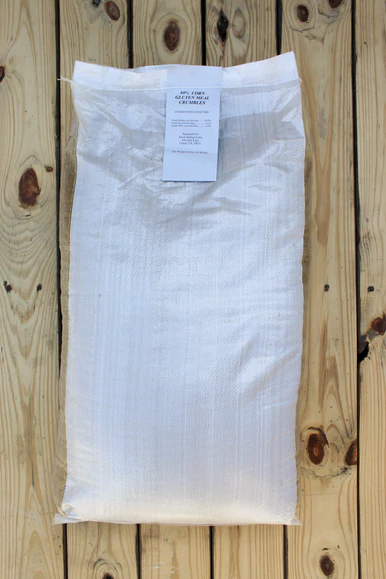
Corn Gluten Meal Granular (9-0-0) – 50 lb Bag: A Complete Guide to Natural Nitrogen Fertilizer and Weed Prevention
Maintaining healthy soil and strong plant growth requires the right balance of essential nutrients. Nitrogen is particularly important because it supports chlorophyll production, protein synthesis, and vigorous vegetative development. For gardeners, landscapers, agricultural professionals, and homeowners looking for plant-based fertilizer options, Corn Gluten Meal Granular (9-0-0) – 50 lb Bag is a product worth exploring.
This granular fertilizer is known for its nitrogen content and its traditional use in certain lawn and garden weed-management programs. With a fertilizer analysis of 9-0-0 , corn gluten meal provides nitrogen without significant labeled amounts of phosphorus or potassium. Its granular format makes it convenient to handle and distribute across suitable lawn and landscape areas. Understanding how corn gluten meal works, its potential benefits, and its limitations can help growers decide whether it belongs in their soil fertility and weed-management strategy.
What Is Corn Gluten Meal Granular (9-0-0)?
Corn gluten meal is a protein-rich material produced during corn processing. It is commonly used as an ingredient in animal feed and has also gained attention in lawn care and gardening as a nitrogen-containing fertilizer and potential pre-emergent weed-management aid. Corn Gluten Meal Granular (9-0-0) is identified by its fertilizer grade, which indicates that the product contains 9% nitrogen, with no significant labeled phosphate or potash contribution.
Because corn gluten meal contains organic nitrogen, its availability to plants depends on soil conditions and the activity of soil microorganisms. The 50 lb bag is a practical package size for homeowners, landscaping professionals, lawn-care businesses, and other users managing larger areas. Product formulations can vary, so it is important to check the manufacturer’s current label for the guaranteed nutrient analysis, recommended application rates, intended uses, and any applicable restrictions.
Understanding the 9-0-0 Fertilizer Analysis
The three numbers in a fertilizer grade represent nitrogen, available phosphate, and soluble potash, respectively.
- 9% nitrogen (N): Supports healthy foliage, chlorophyll production, and plant growth.
- 0% available phosphate (P₂O₅): No significant labeled phosphate contribution.
- 0% soluble potash (K₂O): No significant labeled potash contribution.
The 9% nitrogen concentration makes corn gluten meal a useful option to consider when a lawn or landscape requires additional nitrogen but does not need additional phosphorus or potassium from the same fertilizer. Unlike many readily soluble synthetic nitrogen fertilizers, the nitrogen in corn gluten meal is primarily associated with organic compounds. Soil microorganisms help break these compounds down, gradually converting some of the nitrogen into forms plants can absorb. The timing and extent of nutrient release depend on temperature, moisture, soil biology, and other environmental conditions.
Benefits of Corn Gluten Meal as a Nitrogen Fertilizer
Nitrogen is essential for plant development. It contributes to chlorophyll, amino acids, proteins, and enzymes that support photosynthesis and metabolism. When nitrogen is deficient, grass and other plants may develop pale foliage, reduced growth, and poor vigor. Applying an appropriate nitrogen source can help correct deficiencies and support healthy growth. Potential benefits of corn gluten meal fertilizer include:
- Providing nitrogen from a corn-derived material.
- Supporting lawn greening and vegetative growth when nitrogen is needed.
- Supplying nitrogen without significant labeled phosphorus or potassium.
- Offering a granular format suitable for measured distribution.
- Complementing broader lawn-care and soil-management practices.
- Providing a fertilizer option for users interested in plant-derived nutrient sources.
Results depend on soil conditions, the nitrogen requirement of the plants, application timing, and the product’s specifications. Corn gluten meal should not be expected to correct unrelated nutrient deficiencies or solve every lawn problem.
Corn Gluten Meal for Natural Weed Prevention
One reason corn gluten meal is widely discussed in lawn care is its potential use as a pre-emergent weed-management product. Research has investigated compounds in corn gluten meal that may interfere with the establishment of certain germinating seeds under appropriate conditions. It is generally described as a pre-emergent approach , meaning it targets the period before weeds become established rather than killing mature weeds.
However, effectiveness can vary considerably with weed species, application timing, weather, soil moisture, and product formulation. Corn gluten meal should not be considered a guaranteed weed-control solution. It is also important to distinguish a fertilizer product from a legally registered weed-control product. If a particular corn gluten meal product is marketed for weed prevention, users should verify its label and applicable local requirements before relying on it for that purpose.
Why Application Timing Matters
Timing is especially important when corn gluten meal is used in a weed-management program. Pre-emergent strategies generally aim to act before targeted weed seeds germinate. If weeds have already emerged and developed established roots and foliage, corn gluten meal should not be expected to eliminate them. Established weeds may require different management methods. Weather and soil conditions also influence performance. Moisture and temperature affect microbial activity and organic nitrogen release, while conditions surrounding seed germination can influence whether a pre-emergent treatment is effective. For best results, follow the product label rather than relying on a universal application calendar. Local extension services can also provide guidance on regional weeds and appropriate lawn-care timing.
Using Corn Gluten Meal Granular for Lawns and Landscapes
Corn gluten meal may be considered for lawns and suitable landscape areas where additional nitrogen is required. Its granular format can make distribution across turf convenient when applied using appropriate equipment. Before application, consider the following factors:
- Evaluate nutrient needs. Use a soil test or established turf-care recommendations to determine whether nitrogen is required.
- Check the product label. Confirm the recommended application rate and approved use sites.
- Distribute evenly. Follow the manufacturer’s instructions to avoid concentrated patches or uneven coverage.
- Consider weather conditions. Environmental conditions influence nutrient release and the performance of weed-management strategies.
- Avoid overapplication. Excess nitrogen can encourage excessive growth and increase the risk of nutrient losses.
Corn gluten meal should be incorporated into a broader lawn-care strategy that includes suitable mowing, irrigation, soil management, and weed identification.
Corn Gluten Meal for Gardens and Horticulture
Gardeners may be interested in corn gluten meal as a nitrogen source for suitable planting areas. However, care is needed when using it around seeds and newly established plants. Because corn gluten meal has been investigated for its effects on germinating seeds, its use in areas where vegetables, flowers, or other desirable plants are being directly seeded requires particular caution. A product that may be appropriate for an established lawn could be unsuitable for a newly seeded garden bed. Always confirm that the product is intended for the particular growing area and follow the label’s restrictions. For garden fertility, compost, other organic amendments, and appropriately formulated fertilizers may be alternatives depending on the crop’s nutrient requirements.
Environmental Considerations and Responsible Fertilizer Use
Responsible fertilizer management helps protect soil and water resources. Even when a fertilizer is derived from plant materials, excessive application can contribute to nutrient losses and unnecessary environmental impacts. Using corn gluten meal according to crop requirements can help avoid overfertilization. Growers should also prevent granules from entering storm drains, waterways, or areas where fertilizer applications are not appropriate. Maintaining healthy soil, selecting suitable grass species, mowing correctly, and using integrated weed-management practices can reduce reliance on any single fertilizer or weed-control product.
Why Choose a 50 lb Bag of Corn Gluten Meal?
The 50 lb bag of Corn Gluten Meal Granular (9-0-0) can be convenient for users managing larger lawns, landscape installations, or multiple treatment areas. A larger package may also simplify inventory planning for landscaping professionals and lawn-care businesses. The amount of area a bag will cover depends on the application rate specified by the manufacturer. Coverage should therefore be calculated from the label rather than estimated from bag weight alone. Before buying, compare the guaranteed analysis, intended applications, product quality, and price per unit of nitrogen to determine whether the product meets your requirements.
Conclusion
Corn Gluten Meal Granular (9-0-0) – 50 lb Bag is a corn-derived fertilizer option that provides 9% nitrogen and no significant labeled amounts of phosphorus or potassium. It may be useful for lawn and landscape fertility programs where additional nitrogen is required, and corn gluten meal has also been investigated for potential pre-emergent weed-management applications. Its organic nitrogen content is released through biological processes in the soil, making nutrient availability dependent on environmental conditions. Although corn gluten meal is often associated with natural lawn care, its weed-prevention performance is variable and should not be treated as a guaranteed replacement for established weed-management methods.
For homeowners, gardeners, landscapers, and lawn-care professionals searching for Corn Gluten Meal Granular 9-0-0, corn gluten meal fertilizer, 50 lb corn gluten meal bag, natural nitrogen fertilizer, granular lawn fertilizer, corn gluten fertilizer, and corn gluten meal for weed prevention , understanding the product’s nutrient profile and intended use is essential. When selected for the right application and used according to the manufacturer’s current directions, corn gluten meal can be considered as one component of a thoughtful lawn-care and soil fertility program. Soil testing, correct application timing, and responsible nutrient management remain important for maintaining healthy lawns, productive landscapes, and balanced growing environments.

Reviews
There are no reviews yet.