


Description
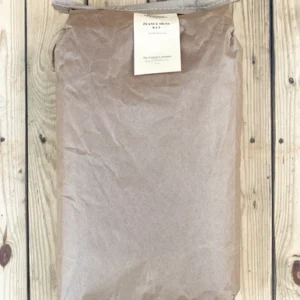
Fish Meal Fertilizer (9-4.5-0) – 50 lbs: Benefits, Uses, and Organic Plant Nutrition
Healthy plants and productive gardens depend on a balanced supply of essential nutrients. Whether you are growing vegetables, maintaining a landscape, managing a nursery, or improving soil fertility, choosing the right fertilizer can make a significant difference in your plant nutrition program. Fish Meal (9-4.5-0) – 50 lbs is a fish-derived fertilizer option for growers seeking a nitrogen-rich nutrient source with additional phosphorus to support healthy plant development.
Fish meal has long been used in agricultural and horticultural applications because it contains nutrients derived from processed fish materials. Its nutrient profile makes it useful to consider for soil fertility programs where nitrogen and phosphorus are important priorities. Available in a convenient 50-pound bag, Fish Meal Fertilizer (9-4.5-0) may be suitable for larger vegetable gardens, farms, landscaping projects, greenhouses, and commercial growing operations, depending on the product’s approved uses. Understanding the fertilizer analysis, potential benefits, application methods, and nutrient management requirements can help growers determine whether fish meal is the right choice for their plants.
What Is Fish Meal Fertilizer (9-4.5-0)?
Fish meal fertilizer is made from processed fish materials that contain nutrients valuable for plant nutrition. Depending on the manufacturing process and formulation, fish meal can provide nitrogen, phosphorus, and other components derived from its source materials. Fish Meal (9-4.5-0) is identified by a fertilizer analysis of 9% nitrogen, 4.5% available phosphate, and no significant labeled potash contribution.
This nutrient ratio makes it a potential option for growers who need nitrogen and phosphorus but want to manage potassium separately. Unlike some highly soluble mineral fertilizers, nutrients in fish meal are associated with organic materials. Soil microorganisms help break down these materials, making portions of the nutrients available to plants over time. The rate of nutrient release depends on soil temperature, moisture, microbial activity, and other environmental conditions. Before purchasing or applying this product, check the manufacturer’s current label to confirm the guaranteed analysis, ingredient sources, recommended application rates, and suitable crops.
Understanding the 9-4.5-0 Fertilizer Analysis
The three numbers in a fertilizer grade represent nitrogen, available phosphate, and soluble potash, respectively.
- 9% nitrogen (N): Supports chlorophyll production, protein synthesis, leaf development, and vegetative growth.
- 4.5% available phosphate (P₂O₅): Contributes to energy transfer, root development, and normal plant growth.
- 0% soluble potash (K₂O): Indicates that the product has no significant labeled potassium contribution.
The 9-4.5-0 fertilizer analysis shows that nitrogen is the primary nutrient, while phosphorus provides additional nutritional support. This formulation may be appropriate when soil tests or crop requirements indicate a need for both nutrients. However, fish meal should not automatically be considered a complete fertilizer. Plants also require potassium, calcium, magnesium, sulfur, and micronutrients. These nutrients must be available from the soil or other suitable fertilizer sources.
Benefits of Fish Meal Fertilizer for Plant Growth
Fish meal is valued as a fish-derived nutrient source for agricultural and horticultural applications. When appropriately formulated and applied, it can contribute nitrogen and phosphorus to a soil fertility program. Potential benefits of Fish Meal Fertilizer (9-4.5-0) include:
- Providing nitrogen to support healthy foliage and plant growth.
- Supplying phosphorus for root development and energy-transfer processes.
- Offering a fish-derived nutrient source for soil-based growing systems.
- Complementing compost and other soil amendments.
- Supporting nutrient management in vegetable gardens and agricultural production.
- Providing a fertilizer option for growers who prefer nutrient sources derived from natural materials.
The actual benefits depend on the product’s composition, crop requirements, application rate, and environmental conditions. No fertilizer can guarantee improved growth when nutrients are already sufficient or when other problems are limiting plant development.
Why Nitrogen Is Essential for Plants
Nitrogen is one of the three primary macronutrients required by plants. It plays a central role in chlorophyll formation, protein synthesis, amino acid production, and many metabolic processes. Chlorophyll allows plants to capture sunlight for photosynthesis. Nitrogen also contributes to the proteins and enzymes that regulate plant growth. When nitrogen is deficient, plants may develop pale foliage, yellowing of older leaves, reduced vigor, and slower growth. An appropriate nitrogen source can help address deficiencies and support healthy vegetative development. With its 9% nitrogen analysis, fish meal may be considered when additional nitrogen is required. However, excessive nitrogen can encourage too much foliage, interfere with flowering or fruit production in some crops, and increase the potential for nutrient losses. Fertilizer applications should therefore be based on crop requirements and reliable nutrient recommendations.
The Importance of Phosphorus in Plant Nutrition
Phosphorus is another essential nutrient supplied by Fish Meal Fertilizer (9-4.5-0). It participates in energy transfer, contributes to root development, and supports normal plant growth and reproductive processes. Adequate phosphorus is important during early plant establishment, but additional phosphorus does not necessarily improve growth when soil levels are already sufficient. Because this fish meal fertilizer contains 4.5% available phosphate, growers should consider existing soil phosphorus levels before applying it repeatedly. A soil test can help determine whether phosphorus supplementation is appropriate and reduce the risk of unnecessary nutrient accumulation.
Fish Meal Fertilizer for Vegetable Gardens
Vegetable plants require balanced nutrition throughout their growing cycles. Leafy vegetables need sufficient nitrogen to support foliage development, while fruiting vegetables require carefully managed nutrition during flowering and fruit development. Fish Meal (9-4.5-0) may be suitable for certain vegetable gardens when nitrogen and phosphorus are needed. Its nutrient profile can be considered as part of a broader fertilizer program that also accounts for potassium and other essential nutrients. For example, leafy crops may benefit from adequate nitrogen, while tomatoes, peppers, cucumbers, and other fruiting vegetables need balanced nutrition throughout the season. Excess nitrogen can sometimes encourage vigorous foliage at the expense of fruit production. Always follow the product label for application rates, placement, and timing. Avoid excessive applications, and keep fertilizer away from harvested produce unless the label provides appropriate directions for the intended use.
Applications in Agriculture, Landscaping, and Horticulture
The 50-pound package of Fish Meal Fertilizer (9-4.5-0) may be convenient for growers who manage larger planting areas and require more fertilizer than a small garden package provides. Potential users include:
- Vegetable and field-crop growers.
- Greenhouse and nursery operators.
- Landscape professionals.
- Community garden managers.
- Home gardeners with large planting areas.
- Agricultural businesses developing soil fertility programs.
Suitability depends on the specific product label, crop nutrient requirements, and local fertilizer regulations. Commercial growers should incorporate fish meal into a nutrient management plan rather than applying it uniformly without considering differences in soil fertility.
Fish Meal and Soil Fertility
Fish meal can contribute nutrients to soil as its organic materials decompose. Soil microorganisms play an important role in breaking down these materials and influencing the timing of nutrient availability. Moisture, temperature, aeration, and microbial activity can all affect nutrient release. Consequently, fish meal may not provide the same immediate nutrient availability as a highly soluble fertilizer. For long-term soil management, fish meal can be combined with suitable practices such as compost application, mulching, cover cropping, crop rotation, and regular soil testing. These practices address different aspects of soil fertility and help growers make more informed decisions about nutrient inputs. Fish meal should not be assumed to replace all other amendments or correct problems such as severe compaction, unsuitable soil pH, or poor drainage.
How to Apply Fish Meal Fertilizer (9-4.5-0)
Correct application is essential for using fish meal effectively and responsibly. Before applying the product, review the manufacturer’s current directions.
- Test the soil when appropriate. Determine whether nitrogen and phosphorus are needed.
- Follow the recommended application rate. Base quantities on the product label and crop requirements.
- Apply using the approved method. Follow instructions for placement, incorporation, and watering.
- Consider nutrient timing. Account for crop growth stages and the expected release of nutrients.
- Avoid overapplication. Excessive fertilizer can contribute to nutrient imbalances and environmental losses.
- Store the product safely. Keep the bag secure, dry, and inaccessible to children and animals, following label directions.
Fish meal may have a noticeable odor and can attract pets or wildlife. Store it securely and follow the manufacturer’s handling precautions. Prevent fertilizer from entering storm drains, streams, ponds, or other sensitive areas.
Why Choose a 50 lb Bag of Fish Meal Fertilizer?
A 50 lb bag of Fish Meal (9-4.5-0) provides a practical quantity for larger gardens and professional growing operations. Bulk packaging can simplify inventory planning and reduce the need to purchase numerous smaller bags. The amount of land a 50-pound bag will cover depends on the recommended application rate, soil nutrient levels, and crop requirements. For accurate coverage estimates, use the manufacturer’s application instructions instead of relying on bag weight alone. When comparing fish meal fertilizers, buyers should review the guaranteed analysis, ingredients, intended applications, packaging, and price per unit of nutrient. These details help determine whether the product fits the needs of a particular growing operation.
Conclusion
Fish Meal Fertilizer (9-4.5-0) – 50 lbs is a fish-derived fertilizer option that provides 9% nitrogen and 4.5% available phosphate, without significant labeled potash contribution. Its nutrient profile makes it worth considering for growers seeking a nitrogen- and phosphorus-containing fertilizer for suitable soil-based agricultural and horticultural applications. Nitrogen supports chlorophyll production, protein synthesis, and healthy foliage, while phosphorus contributes to energy transfer and root development. The nutrients in fish meal become available according to the product’s composition and environmental conditions, so correct timing and application are important.
For farmers, gardeners, landscapers, greenhouse operators, and horticultural professionals searching for Fish Meal Fertilizer 9-4.5-0, fish meal 50 lb bag, organic fish meal fertilizer, nitrogen and phosphorus fertilizer, fish meal for vegetable gardens, fish-based plant nutrition, and fish meal for soil fertility , understanding the fertilizer analysis and appropriate use is essential. When selected according to crop needs and applied according to the manufacturer’s current recommendations, fish meal can be a useful component of a balanced nutrient management program. Soil testing, appropriate fertilizer rates, responsible storage, and careful management of nitrogen and phosphorus help support healthy plants while reducing unnecessary environmental impacts.
Reviews
There are no reviews yet.