

Description
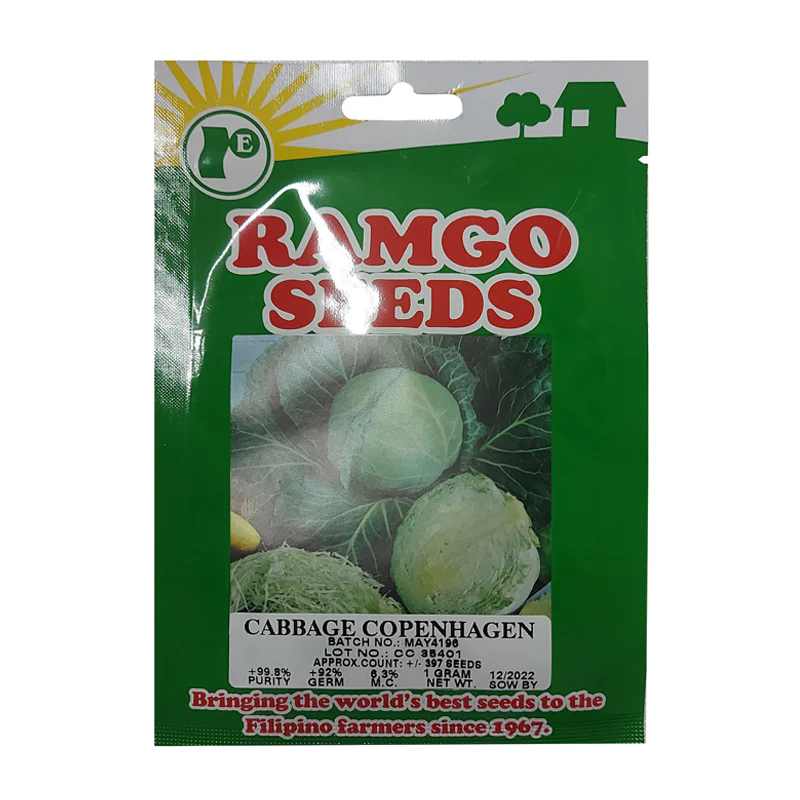
Ramgo Cabbage Copenhagen Seeds – 1 g: Complete Planting Guide, Benefits, and Growing Tips
Introduction to Ramgo Cabbage Copenhagen Seeds – 1 g
Growing fresh vegetables at home or on a commercial farm begins with selecting suitable seeds and providing the right growing conditions. Ramgo Cabbage Copenhagen Seeds – 1 g is a vegetable seed product for gardeners, farmers, and agricultural enthusiasts interested in cultivating cabbage for household consumption or market production. Cabbage is a popular vegetable used in a wide range of dishes, making it a practical crop for home gardens, backyard farms, and commercial vegetable-growing operations.
Copenhagen cabbage varieties are associated with traditional round-headed cabbage types. Cabbage is valued for its versatility in cooking, its ability to be incorporated into different meal plans, and its usefulness in fresh vegetable markets. With proper soil preparation, consistent watering, adequate sunlight, and attentive crop management, gardeners can create suitable conditions for healthy cabbage growth.
The 1 g pack of Ramgo Cabbage Copenhagen Seeds offers a convenient option for people planning a small planting project or looking to grow cabbage in their available garden space. Before planting, buyers should check the actual seed packet for verified information about the specific variety, germination, recommended spacing, expected maturity, and other product-specific growing instructions.
What Are Ramgo Cabbage Copenhagen Seeds?
Ramgo Cabbage Copenhagen Seeds are intended for growing cabbage, a leafy vegetable belonging to the Brassica oleracea species. Cabbage plants develop compact layers of leaves that form a head, which can be harvested and used in fresh salads, soups, stir-fried dishes, stews, and many other recipes.
Copenhagen cabbage types are generally associated with round-headed cabbage. However, exact characteristics such as head size, maturity period, color, and suitability for particular climates should be confirmed using the product packaging or official supplier information.
The 1 g packaging is suitable for gardeners who want a manageable quantity of seeds for a small garden, nursery tray, or planned planting area. The number of seeds contained in a gram can vary, so it is best not to assume an exact seed count without information from the supplier.
Whether you are an experienced farmer or a beginner, understanding the basic requirements of cabbage cultivation can help you plan your garden and improve the chances of establishing healthy plants.
Benefits of Growing Cabbage
1. A Versatile Vegetable for Everyday Cooking
Cabbage is widely used in home cooking because it can be prepared in many different ways. It can be eaten raw in salads, cooked in soups, added to stir-fried vegetables, or included in traditional family recipes.
Growing cabbage at home provides convenient access to fresh produce and allows gardeners to harvest vegetables according to their household needs. Its versatility also makes cabbage a useful crop for growers who supply local markets and food businesses.
2. Suitable for Home Gardens and Vegetable Farms
Cabbage can be grown in prepared garden beds, raised beds, and sufficiently large containers with suitable growing conditions. This flexibility makes it an option for home gardeners and small-scale producers.
Gardeners with limited space can plan a small cabbage plot, while commercial growers can incorporate cabbage into a broader vegetable production schedule. Proper spacing is essential because cabbage plants need enough room for their leaves and heads to develop.
3. Contributes to a Balanced Diet
Cabbage is a nutritious vegetable that provides dietary fiber, vitamin C, vitamin K, and other beneficial nutrients. Including cabbage as part of a varied diet can contribute to overall nutritional intake.
Homegrown vegetables can also encourage households to include more fresh produce in everyday meals. Good harvesting and food-handling practices help maintain vegetable quality from the garden to the kitchen.
4. Potential for Small-Scale Market Production
Cabbage is sold through vegetable markets, produce stalls, grocery stores, and other food distribution channels. Farmers may consider growing cabbage as part of a market-oriented vegetable operation.
However, profitability depends on several factors, including seed costs, land preparation, labor, fertilizer, irrigation, pest management, harvest timing, transportation, and local market prices. Growers should assess market demand and production costs before deciding how much cabbage to plant.
How to Plant Ramgo Cabbage Copenhagen Seeds – 1 g
Successful cabbage cultivation begins with preparing the growing area and following the seed packet’s instructions. The following general steps can help establish a cabbage crop.
Step 1: Select a Suitable Planting Location
Choose a location with good sunlight and well-drained soil. Cabbage generally performs best under relatively cool growing conditions. Excessive heat can affect plant development and head quality, so consider local climate and seasonal conditions when planning your planting schedule.
Where possible, select a site with access to reliable water and adequate space for the recommended plant spacing.
Step 2: Prepare the Soil
Cabbage benefits from fertile soil with good drainage and sufficient organic matter. Remove weeds, stones, and debris before loosening the soil and preparing a suitable seedbed.
Incorporating mature compost may improve soil structure and support nutrient availability. A soil test can help identify pH or nutrient concerns before planting. Avoid adding fertilizer without considering the crop’s actual requirements and the condition of the soil.
Step 3: Sow the Seeds
Cabbage seeds can generally be started in nursery trays or sown directly into a prepared growing area, depending on the planting method and local conditions.
For nursery production, use a clean seed-starting medium and sow the seeds according to the packet directions. Cover them lightly with growing medium and water gently to maintain moisture without displacing the seeds.
Once seedlings have developed sufficiently, they may be transplanted carefully into the prepared garden bed. Handle seedlings gently to reduce root damage and transplant shock.
Step 4: Provide Adequate Sunlight and Water
Cabbage requires sufficient sunlight for healthy growth. Water consistently, especially during germination, seedling establishment, and head development.
The soil should remain appropriately moist but not waterlogged. Excessive moisture around the roots can encourage root diseases, while prolonged dryness may stress plants and affect head development.
Watering needs vary according to weather, soil type, plant size, and whether cabbage is growing in the ground or in containers.
Step 5: Maintain Proper Plant Spacing
Allow enough space between plants for healthy leaf growth and air circulation. Follow the spacing instructions on the Ramgo Cabbage Copenhagen seed packet because the appropriate distance may depend on the specific variety and intended head size.
Overcrowding can increase competition for sunlight, water, and nutrients. Good spacing also helps gardeners inspect plants and identify pest or disease problems early.
Fertilizer and Nutrient Management for Cabbage
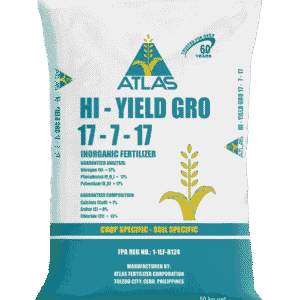
Cabbage needs balanced nutrition throughout its growing cycle. Nitrogen supports leaf growth, while phosphorus contributes to root development and potassium supports several important plant functions, including water regulation and general crop development.
Calcium, sulfur, and other nutrients may also be important depending on soil conditions and crop requirements. A soil test is a useful way to identify deficiencies and avoid unnecessary fertilizer applications.
Apply fertilizers according to the product label and a crop-specific nutrient plan. Excessive nitrogen may encourage excessive leaf growth or contribute to nutrient imbalances. Proper irrigation is also important because nutrient uptake depends on healthy roots and suitable soil moisture.
For commercial growers, keeping records of fertilizer applications, crop performance, and harvest results can help improve future planting decisions.
Pest and Disease Management for Cabbage
Cabbage may be affected by pests such as caterpillars, aphids, and other insects that feed on leaves. Certain fungal, bacterial, and soil-related diseases can also affect plant health.
Regularly inspect the upper and lower surfaces of leaves, check for holes or discoloration, and remove weeds that may shelter pests. Crop rotation, appropriate spacing, clean gardening tools, and good drainage can help reduce some crop health risks.
Use pest control products only when necessary and only if their labels permit use on cabbage and the identified pest. Follow all safety directions, application rates, protective equipment requirements, and preharvest intervals. Because cabbage leaves are eaten, careful pesticide selection and handling are particularly important.
Integrated pest management, which combines monitoring, preventive practices, and appropriate control methods, can help growers protect their crops while reducing unnecessary pesticide use.
When and How to Harvest Cabbage
The harvest period depends on the specific variety, planting date, weather, and growing conditions. Refer to the Ramgo Cabbage Copenhagen seed packet for the expected maturity period rather than relying on a general estimate.
Cabbage heads are typically harvested when they have developed sufficiently and feel firm for their variety. Use a clean, sharp knife to cut the head carefully, avoiding unnecessary damage to nearby plants.
Handle harvested cabbage gently to prevent bruising and remove damaged outer leaves when appropriate. Store the produce under suitable conditions to help maintain freshness and reduce spoilage.
For market growers, consistent head quality, cleanliness, careful sorting, and efficient transportation can improve the presentation of harvested cabbage.
Why Choose Ramgo Cabbage Copenhagen Seeds – 1 g?
Selecting suitable seeds is an important first step toward a successful vegetable garden. Ramgo Cabbage Copenhagen Seeds – 1 g offer a convenient pack size for gardeners and growers planning a cabbage planting project.
Before purchasing, check the packaging for the exact variety name, batch information, packing or expiry details where provided, and recommended planting instructions. Buy from a reputable agricultural supplier and inspect the packet for signs of damage or improper storage.
Store unused seeds in a cool, dry place according to the manufacturer’s guidance. Seed performance depends on factors such as seed quality, age, storage conditions, moisture, temperature, and planting technique.
For the best results, match your planting schedule to suitable local growing conditions and maintain a consistent crop care routine from germination through harvest.
Frequently Asked Questions About Ramgo Cabbage Copenhagen Seeds – 1 g
What are Ramgo Cabbage Copenhagen Seeds used for?
These seeds are intended for growing cabbage, a leafy vegetable commonly used in salads, soups, stir-fries, and other meals. Follow the packet instructions for specific planting guidance.
Can cabbage be grown in containers?
Yes, cabbage can be grown in sufficiently large containers with drainage holes, fertile growing medium, sunlight, and regular watering. Container size and plant spacing should allow room for the cabbage head to develop.
How long does cabbage take to mature?
The time to maturity varies according to the specific variety, climate, planting method, and growing conditions. Check the seed packet for the verified maturity information for Ramgo Cabbage Copenhagen.
Is cabbage suitable for commercial farming?
Cabbage can be grown commercially when local climate, soil, water availability, production costs, and market demand are suitable. Farmers should plan crop management and harvesting around their intended market.
How much area can a 1 g seed pack cover?
The planting area depends on the number of viable seeds, germination rate, seedling survival, and recommended spacing. Check the packet details and plan the planting area accordingly.
Conclusion
Ramgo Cabbage Copenhagen Seeds – 1 g are an option for gardeners, home growers, and farmers interested in cultivating cabbage for household use or vegetable production. Cabbage is a versatile crop that can be incorporated into many meals and grown in suitable garden beds or containers with proper care.
Successful cultivation depends on choosing an appropriate planting season, preparing fertile and well-drained soil, maintaining consistent moisture, providing adequate sunlight, and managing pests and diseases. Proper nutrition and timely harvesting also contribute to healthy plants and good-quality cabbage heads.
If you are looking for Ramgo Cabbage Copenhagen Seeds – 1 g, purchase from a trusted agricultural supplier and review the product packet for accurate variety information and planting recommendations. With careful planning and consistent crop management, cabbage can become a valuable addition to a home vegetable garden or a small-scale farming operation.
Reviews
There are no reviews yet.