
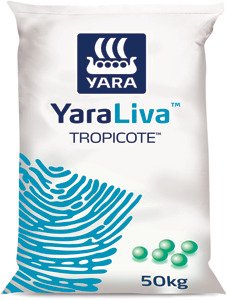

Description
YaraLiva Tropicote Calcium Nitrate Fertilizer: Benefits, Uses, and Importance for Healthy Crop Growth
Introduction to YaraLiva Tropicote Calcium Nitrate Fertilizer
Modern agriculture requires effective nutrient management to support healthy plants, improve crop quality, and maintain productive farming systems. Providing crops with the right balance of essential nutrients is one of the most important steps in achieving successful harvests. Among these nutrients, calcium and nitrogen play vital roles in plant development, root function, leaf growth, and the formation of strong plant tissues. YaraLiva Tropicote Calcium Nitrate Fertilizer is a fertilizer product used in agricultural nutrient management to supply calcium and nitrogen to crops that require these essential nutrients.
YaraLiva Tropicote is associated with Yara’s calcium nitrate fertilizer range and is used in various agricultural production systems. Calcium nitrate fertilizers combine nitrogen, commonly in the nitrate form, with calcium to support plant nutrition. This nutrient combination can be particularly useful for crops that require a readily available nitrogen source and adequate calcium throughout their growing cycle.
For farmers, horticultural growers, agricultural suppliers, and fertilizer distributors, understanding the characteristics and applications of YaraLiva Tropicote Calcium Nitrate Fertilizer can help guide purchasing and crop nutrition decisions. Appropriate fertilizer selection, correct application rates, and careful nutrient management are important for maximizing the benefits of any agricultural fertilizer.
What Is YaraLiva Tropicote Calcium Nitrate Fertilizer?
YaraLiva Tropicote Calcium Nitrate Fertilizer is a calcium nitrate product intended for agricultural use. Calcium nitrate fertilizers supply plants with nitrogen and calcium, two nutrients that perform different but complementary functions in plant development.
Nitrogen supports the production of chlorophyll, amino acids, proteins, and enzymes. It is particularly important for leaf development and photosynthesis. Calcium contributes to cell wall structure, membrane stability, root growth, and the development of healthy plant tissues.
The precise nutrient percentages and physical specifications of YaraLiva Tropicote should be confirmed through the current product label and official manufacturer information because specifications and labeling may vary by market.
Unlike fertilizers that supply only nitrogen, calcium nitrate products provide calcium alongside nitrogen. This combination can be useful when both nutrients are needed, although the correct application rate depends on the crop, soil conditions, and existing nutrient levels.
Key Benefits of YaraLiva Tropicote Calcium Nitrate Fertilizer
1. Provides Nitrogen for Healthy Plant Growth
Nitrogen is an essential macronutrient required for numerous plant processes. It contributes to chlorophyll production, photosynthesis, protein synthesis, and the development of leaves and stems.
When crops receive sufficient nitrogen, they can maintain healthy vegetative growth and develop the foliage needed to capture sunlight. Nitrogen deficiency may cause older leaves to turn pale or yellow, while plant growth and productivity can decline.
YaraLiva Tropicote Calcium Nitrate Fertilizer supplies nitrogen in a form that can be taken up by plant roots. The nitrate component is readily available for plant uptake under suitable growing conditions.
However, nitrogen requirements vary between crops and throughout the growing season. Applying too much nitrogen can lead to excessive vegetative growth, delayed maturity in some crops, and increased nutrient losses. Fertilizer applications should therefore be guided by crop-specific recommendations.
2. Supports Strong Cell Walls and Plant Tissues
Calcium is an essential nutrient involved in cell wall formation and cell membrane function. It contributes to the structural integrity of plant tissues and plays an important role in root and shoot development.
Adequate calcium nutrition can help support healthy plant tissues and normal growth. Certain fruit and vegetable crops have particularly important calcium requirements during specific developmental stages.
Calcium deficiency can contribute to physiological disorders in susceptible crops. For example, blossom-end rot in tomatoes and peppers is associated with inadequate calcium delivery to developing fruit, although water stress, root health, and other environmental factors also influence the condition.
YaraLiva Tropicote Calcium Nitrate Fertilizer can contribute to calcium nutrition when the crop and growing conditions are suitable. However, applying calcium nitrate does not guarantee that calcium-related disorders will be prevented, because calcium movement within the plant depends on several factors, including water availability and transpiration.
3. Combines Two Essential Nutrients
One of the practical features of calcium nitrate fertilizer is that it supplies both nitrogen and calcium in one product. This can simplify nutrient management when soil or crop assessments indicate a need for both nutrients.
Rather than applying separate products solely to provide these nutrients, farmers may be able to incorporate calcium nitrate into their existing fertilization program. The suitability of this approach depends on the required nutrient ratio and the availability of other fertilizer sources.
Before applying YaraLiva Tropicote, farmers should evaluate the crop’s total nitrogen and calcium requirements to avoid unnecessary applications or nutrient imbalances.
4. Supports Crop Quality and Marketability
Crop quality is influenced by genetics, growing conditions, water management, nutrient availability, and harvesting practices. Calcium is important for the structure of plant tissues, while nitrogen supports growth and the development of productive foliage.
When nitrogen and calcium requirements are properly managed, these nutrients can contribute to healthy crop development. In suitable production systems, balanced calcium nutrition may support fruit firmness and tissue integrity.
Nevertheless, crop quality depends on multiple factors. Fertilizer application alone cannot guarantee better shelf life, improved appearance, or higher market value.
Agricultural Applications of YaraLiva Tropicote Calcium Nitrate Fertilizer
Calcium nitrate fertilizers are used in a range of agricultural and horticultural production systems. Their suitability depends on the crop’s nutrient requirements, soil conditions, growing environment, and the manufacturer’s recommended applications.
Fruit and Vegetable Production
Fruit and vegetable crops require balanced nitrogen nutrition and adequate calcium for normal growth. Calcium nitrate may be considered for selected crops where these nutrients are needed, subject to the product label and local agricultural recommendations.
Crops such as tomatoes, peppers, and other horticultural plants have specific nutrient requirements that change throughout development. Farmers should adjust their fertilizer programs to match these needs rather than relying on a single rate for every crop.
Commercial Crop Production
Commercial growers may use calcium nitrate as part of a nutrient management program designed to supply nitrogen and calcium. Soil testing, tissue analysis, and crop monitoring can help identify whether additional nutrients are necessary.
Horticulture and Protected Cultivation
Greenhouse production and other intensive growing systems often require careful nutrient management because water supply, growing media, and nutrient delivery can be closely control.
Calcium nitrate may be included in appropriate nutrient programs for protected crops, but compatibility with other fertilizers and the specific formulation must be consider. In fertigation systems, product solubility and the manufacturer’s instructions are especially important.
Important: Verify that the particular YaraLiva Tropicote formulation is approve for the intended application method. A fertilizer intended for soil application should not automatically be assume suitable for every fertigation or foliar application.
How to Apply Calcium Nitrate Fertilizer Correctly
Proper fertilizer application helps improve nutrient-use efficiency and reduces the risk of crop injury or unnecessary nutrient losses. The correct method and rate for YaraLiva Tropicote Calcium Nitrate Fertilizer should be determine using the product label and crop-specific recommendations.
Consider the following best practices:
1. Conduct soil testing. Soil analysis can identify nutrient deficiencies and provide information about soil pH and other conditions affecting nutrient availability.
2. Assess crop nutrient requirements. Consider the crop species, growth stage, expected yield, and any existing fertilizer applications before determining the require nitrogen and calcium quantities.
3. Follow the recommended application rate. Avoid excessive fertilizer use, which may increase production costs and contribute to nutrient imbalances.
4. Manage irrigation carefully. Appropriate water management supports nutrient uptake and help maintain consistent growing conditions. Avoid overwatering that can move nitrate nitrogen below the root zone.
5. Monitor plant development. Observe crop growth and, where appropriate, use plant tissue analysis to evaluate nutrient status.
6. Follow product compatibility instructions. When using calcium nitrate with other fertilizers, check compatibility before mixing. Calcium-containing fertilizers can react with certain phosphate- or sulfate-containing products, potentially forming precipitates that block equipment.
These practices can help agricultural users integrate calcium nitrate into a well-planned crop nutrition program.
Storage and Safe Handling of YaraLiva Tropicote
Proper storage is essential for maintaining fertilizer quality and supporting safe agricultural operations. Keep YaraLiva Tropicote Calcium Nitrate Fertilizer in its original label packaging and protect it from moisture and contamination.
Store the product in a suitable dry, well-ventilated area and follow the manufacturer’s safety instructions. Calcium nitrate is an oxidizing material, so it must be kept away from combustible materials and incompatible substances in accordance with the product safety data sheet and local requirements.
Workers should use appropriate protective equipment, avoid unnecessary dust exposure, and wash their hands after handling fertilizer. Keep the product away from food, animal feed, children, and animals. Follow local requirements for storage, transportation, spill response, and packaging disposal.
Agricultural suppliers should maintain suitable storage conditions to protect product integrity and prevent damage during transportation.
Why Choose YaraLiva Tropicote Calcium Nitrate Fertilizer?
Farmers and agricultural businesses evaluating YaraLiva Tropicote Calcium Nitrate Fertilizer should consider its verified nutrient analysis, product specifications, intended applications, and suitability for their crops.
The combination of nitrogen and calcium can be valuable when both nutrients are require. However, choosing the right fertilizer depends on more than the product name. Buyers should consider soil test results, crop nutrient requirements, irrigation practices, compatibility with other fertilizers, and overall application costs.
Purchasing from a reputable agricultural supplier and checking official product documentation can help ensure that the fertilizer select matches the intended use.
By combining suitable fertilizer products with accurate nutrient calculations and responsible agricultural practices, farmers can make informed decisions about crop nutrition and soil fertility management.
Conclusion
YaraLiva Tropicote Calcium Nitrate Fertilizer is an agricultural fertilizer option that supplies nitrogen and calcium, two essential nutrients involve in plant growth and tissue development. Nitrogen supports chlorophyll production, protein synthesis, and vegetative growth, while calcium contributes to cell wall strength, membrane stability, and normal plant development.
When use appropriately, calcium nitrate can complement a crop nutrition program for selected agricultural and horticultural crops. Its effectiveness depends on the crop’s requirements, soil conditions, water management, and the correct application method.
For farmers, commercial growers, agricultural suppliers, and fertilizer distributors, understanding the benefits and limitations of YaraLiva Tropicote helps support informed fertilizer selection. Always verify the current product specifications and follow the manufacturer’s application and safety instructions.
With balance fertilization, careful irrigation, and ongoing crop monitoring, growers can manage nutrient requirements more effectively and support healthy, productive agricultural systems.
Frequently Asked Questions (FAQs)
1. What is YaraLiva Tropicote Calcium Nitrate Fertilizer used for?
It supplies nitrogen and calcium to crops where these nutrients are require. The appropriate use depends on the crop, growing conditions, and product label.
2. What are the main benefits of calcium nitrate fertilizer?
It provide nitrogen for plant growth and calcium for normal cell wall development, membrane stability, and healthy plant tissues.
3. Can calcium nitrate fertilizer be used for vegetables?
Calcium nitrate is use in selected vegetable production systems, but application rates and methods should follow crop-specific recommendations.
4. Does calcium nitrate help prevent blossom-end rot?
Adequate calcium nutrition is important, but blossom-end rot is also influence by water stress, root function, and calcium movement within the plant. Fertilizer alone cannot guarantee prevention.
5. Can YaraLiva Tropicote be mixed with other fertilizers?
Compatibility depends on the other products and the application system. Calcium nitrate can react with certain phosphate- and sulfate-containing fertilizers, so compatibility instructions should be checked before mixing.
6. How should YaraLiva Tropicote be store?
Store it in its original labeled packaging in a suitable dry location, away from combustible materials and incompatible substances, and follow the manufacturer’s safety guidance.


Reviews
There are no reviews yet.