


Description
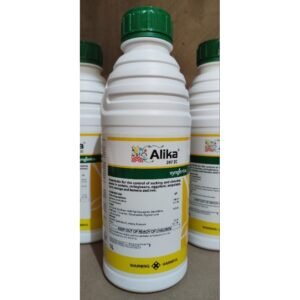
Alika 247 ZC Insecticide – 1 L: Benefits, Features, Uses, and Importance in Modern Crop Protection
Introduction to Alika 247 ZC Insecticide – 1 L
Effective pest management is an important part of successful agriculture. Insects can damage leaves, stems, flowers, and fruits, reducing crop quality and potentially affecting harvest yields. For farmers and agricultural professionals, choosing an appropriate insecticide is an important consideration when developing an integrated crop protection program. Alika 247 ZC Insecticide – 1 L is a crop protection product that agricultural buyers may consider when searching for insecticide solutions to manage insect pests in crops for which the product is registered.
Selecting an insecticide requires careful attention to the product label, active ingredients, target pests, application instructions, and local agricultural regulations. Correct product selection helps ensure that the treatment is suitable for the crop and intended pest while reducing unnecessary risks to people, beneficial insects, and the environment.
The 1-liter packaging of Alika 247 ZC Insecticide may offer a convenient option for agricultural users who need a measured quantity of crop protection product. However, the exact formulation, concentration, approved crops, and recommended application rates should always be confirmed using the original product label and official manufacturer information.
This article explores the importance of insecticide management, the considerations involved in selecting Alika 247 ZC Insecticide, proper application practices, and responsible storage and handling.
What Is Alika 247 ZC Insecticide?
Alika 247 ZC Insecticide is a product name used in agricultural crop protection searches. The exact formulation and active ingredient concentrations should be verified from the specific product label, as similar product names or formulations may vary by market.
The designation “ZC” commonly refers to a combined capsule suspension and suspension concentrate formulation in pesticide terminology. However, buyers should verify the formulation code and active ingredients on the actual Alika 247 ZC product packaging before relying on this description.
Understanding the active ingredients is essential because they determine how an insecticide works, which pests it can control, and how it should be applied. Different active ingredients may affect insects through different biological pathways and may have different restrictions involving crops, application timing, protective equipment, and environmental precautions.
Before purchasing Alika 247 ZC Insecticide – 1 L, farmers should confirm that the product is authentic, properly labeled, and registered for their intended use in their location.
Importance of Insecticide Use in Agriculture
Insect pests can threaten agricultural productivity by feeding on plant tissues, damaging developing fruits, transmitting plant diseases, or interfering with normal plant development. The extent of damage depends on the pest species, crop variety, environmental conditions, and stage of crop growth.
Insecticides can form part of a crop protection strategy when pest populations reach levels that justify treatment. However, not every insect is harmful, and many insects contribute to pollination, natural pest control, and ecological balance.
Effective pest management begins with identifying the insect correctly and assessing the level of crop damage. Farmers should avoid applying insecticides simply because insects are present. Instead, decisions should be guided by pest monitoring, economic thresholds where available, and recommendations from qualified agricultural professionals.
Alika 247 ZC Insecticide should only be used when the identified pest and crop are included in the product’s approved label directions.
Potential Benefits of Alika 247 ZC Insecticide – 1 L
1. Supports Targeted Crop Protection
A properly selected insecticide can help manage specific insect pests that threaten crop health. Effective pest control may reduce feeding damage and help protect marketable crop quality when the pest is susceptible to the product’s active ingredients.
The suitability of Alika 247 ZC Insecticide depends on its verified formulation and approved pest-control claims. Farmers should review the label to determine whether it is appropriate for the target insect and crop.
2. Convenient One-Liter Packaging
The 1-liter package size can be convenient for agricultural purchasing and inventory management. It allows users to buy a defined quantity of product rather than immediately committing to a larger container.
However, the area that one liter can treat depends on the registered application rate, spray volume, crop size, and target pest. Do not estimate coverage from package size alone. Always use the rate and directions specified on the product label.
3. Can Complement Integrated Pest Management
Integrated Pest Management (IPM) combines several methods to manage pests while minimizing unnecessary pesticide use. These methods may include crop monitoring, sanitation, crop rotation, biological control, resistant varieties, and selective chemical treatments when necessary.
When the product is appropriate for the identified pest, Alika 247 ZC Insecticide may be considered as one component of an IPM program. Combining chemical control with other suitable practices can help reduce reliance on repeated insecticide applications.
4. Helps Support Crop Quality When Used Correctly
Serious insect infestations may damage leaves, stems, flowers, or fruits and reduce the quantity or quality of harvested produce. Effective pest management can help protect crops from avoidable damage.
Nevertheless, insecticide performance depends on pest susceptibility, application timing, weather, crop conditions, and compliance with the label. No insecticide can guarantee a particular yield or eliminate every pest under all conditions.
How to Use Alika 247 ZC Insecticide Responsibly
The correct application procedure depends on the product’s active ingredients, concentration, approved crops, and label directions. Because these details must be verified for the exact product, users should not rely on generic dosage recommendations or instructions intended for a different insecticide.
The following general practices can support responsible pesticide use.
1. Identify the target pest. Confirm the insect species and assess whether the damage warrants chemical treatment. Misidentification can lead to ineffective applications.
2. Read the complete product label. Verify approved crops, target pests, application rates, mixing directions, restrictions, and required protective equipment.
3. Use the recommended application rate. Never exceed the label rate in an attempt to achieve faster or stronger control. Incorrect application can increase crop injury, exposure risks, residues, and environmental contamination.
4. Check weather conditions. Follow the label’s instructions concerning wind, rainfall, temperature, and other conditions that may affect application safety or effectiveness.
5. Calibrate application equipment. Properly maintained and calibrated equipment helps distribute the product according to the approved application instructions.
6. Observe re-entry and pre-harvest intervals. Follow the label’s required waiting periods before workers re-enter treated areas or crops are harvested.
7. Protect beneficial organisms. Follow all precautions concerning bees, pollinators, aquatic organisms, and other non-target species. Avoid applications that violate label restrictions or expose these organisms unnecessarily.
These steps help support responsible crop protection and reduce avoidable risks associated with pesticide use.
Resistance Management and Integrated Pest Management
Repeated use of insecticides with the same mode of action can encourage resistant pest populations. Insects that survive treatment may reproduce and pass resistance traits to later generations, making future control more difficult.
Farmers should follow resistance management guidance from the manufacturer and local agricultural authorities. Where recommended, rotating insecticides with different modes of action can help reduce selection pressure. Product rotation should be based on verified active ingredients and their mode-of-action classification, not simply on different brand names.
Other IPM practices can include removing heavily infested crop residues when appropriate, monitoring pest populations, encouraging natural enemies, and using suitable cultural controls.
Alika 247 ZC Insecticide should be integrated into a broader pest management plan rather than used as the sole method of controlling insects throughout every crop cycle.
Storage and Safety Precautions for Alika 247 ZC Insecticide
Pesticide safety is essential for farmers, agricultural workers, suppliers, and surrounding communities. Store Alika 247 ZC Insecticide in its original container with the label intact, in a secure, appropriately ventilated location that meets the manufacturer’s storage instructions.
Keep the product away from food, animal feed, drinking water, children, and animals. Do not transfer insecticide into beverage bottles or unmarked containers. Use the personal protective equipment specified on the label when handling, mixing, or applying the product.
Avoid skin and eye contact, inhalation of spray or mist, and accidental ingestion. Do not eat, drink, or smoke while handling pesticides. Wash thoroughly after use and clean application equipment according to label instructions.
Prevent pesticide from entering drains, waterways, ponds, or other sensitive areas. Dispose of unused product and empty containers according to the label and local regulations. If exposure or accidental poisoning occurs, follow the label’s emergency instructions and seek appropriate medical or poison-control assistance.
How to Choose a Reliable Supplier of Alika 247 ZC Insecticide – 1 L
Purchasing agricultural pesticides from a reputable supplier is important for product authenticity and safe use. Buyers should verify the product name, active ingredients, concentration, registration information, batch number, expiration or shelf-life details where applicable, and packaging condition.
A reliable agricultural supplier should be able to provide product documentation and direct customers to the official label. Buyers should also confirm that the insecticide is legally registered for the intended crop and pest in their jurisdiction.
Price and packaging size are useful purchasing considerations, but they should not replace verification of product authenticity and suitability. Choosing the correct registered formulation helps prevent confusion between products with similar names.
Conclusion
Alika 247 ZC Insecticide – 1 L is a crop protection product that agricultural buyers may investigate when looking for insect pest management solutions. Its suitability depends on the verified active ingredients, formulation, registered crops, target pests, and directions provided by the manufacturer.
Responsible insecticide use begins with correct pest identification, careful label review, proper application, resistance management, and protection of beneficial organisms and the surrounding environment. The 1-liter packaging offers a defined purchase quantity, but treatment coverage and application rates must be determined from the official label.
For farmers, agricultural retailers, and crop protection professionals, reliable product information is essential when selecting an insecticide. By combining verified product specifications with integrated pest management and safe handling practices, agricultural users can make better-informed crop protection decisions.
Frequently Asked Questions (FAQs)
1. What is Alika 247 ZC Insecticide used for?
Its approved uses depend on the exact formulation and local registration. Check the product label for the crops and insect pests it is intended to control.
2. What does the 1-liter packaging mean?
It identifies the container size. The area that can be treated depends on the label-approved application rate and the crop and pest involved.
3. How do I determine the correct dosage?
Use only the application rate and mixing directions on the official product label for the intended crop and pest. Do not substitute rates from another product.
4. Can Alika 247 ZC be used on all crops?
No. A pesticide may only be used on crops and for purposes authorized by its applicable label and registration.
5. Why is resistance management important?
Repeated use of insecticides with the same mode of action can encourage resistant pest populations. Follow official resistance management recommendations and integrate nonchemical controls when appropriate.
6. How should Alika 247 ZC Insecticide be stored?
Keep it in its original labeled container in a secure location and follow the manufacturer’s storage, handling, and disposal instructions.
Reviews
There are no reviews yet.