


Description
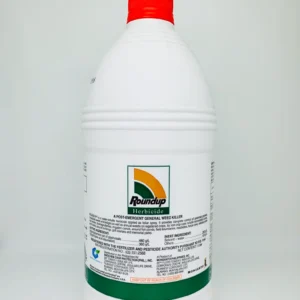
Roundup Glyphosate Non-Selective Herbicide – 1 Liter: Product Overview, Benefits, and Responsible Weed Management
Introduction to Roundup Glyphosate Non-Selective Herbicide – 1 Liter
Effective weed management is an important part of maintaining farms, gardens, landscaped areas, and other managed outdoor spaces. Unwanted weeds can compete with desirable plants for water, sunlight, nutrients, and growing space. For landowners and agricultural professionals seeking a weed-control solution, Roundup Glyphosate Non-Selective Herbicide – 1 Liter is a product name commonly associated with glyphosate-based herbicides.
Roundup is a recognized herbicide brand, while glyphosate is an active ingredient used in many non-selective weed-control products. A non-selective herbicide is designed to control a broad range of susceptible plants rather than targeting only one specific weed species. Because products sold under the Roundup name can differ in formulation, concentration, registration, and approved uses, buyers should always check the exact product label before purchasing or applying a particular 1-liter container.
This article explores the general characteristics of Roundup glyphosate non-selective herbicide, its potential role in weed management, important purchasing considerations, and responsible practices for using herbicides.
What Is Roundup Glyphosate Non-Selective Herbicide?
Roundup glyphosate non-selective herbicide is a product category associated with glyphosate-based weed control. Glyphosate works primarily by interfering with an enzyme involved in the production of certain essential compounds in plants. This process disrupts normal plant growth and can eventually cause susceptible weeds to die.
Glyphosate is generally described as a systemic herbicide. After application to suitable plant foliage, it can move within susceptible plants. Its effectiveness depends on factors such as weed species, plant growth stage, environmental conditions, formulation, and application quality.
The term non-selective is particularly important. Unlike herbicides designed to control a limited group of weeds while leaving certain other plants unharmed, a non-selective herbicide can damage or kill desirable vegetation if it contacts susceptible plants. Users must therefore take care to prevent unintended exposure to lawns, ornamental plants, crops, and other vegetation they wish to preserve.
Since Roundup products may have different formulations and intended uses, the exact active ingredient concentration and application directions should be confirmed from the product label.
Key Features of the 1-Liter Packaging
The Roundup Glyphosate Non-Selective Herbicide 1 Liter size may be convenient for buyers who need a manageable container for an approved weed-control task. Compared with larger commercial packages, a 1-liter bottle may be easier to store and handle when used according to its label.
Potential advantages of this packaging include:
- Practical container size: A 1-liter package can suit certain small-scale or limited-area weed-management needs, depending on the approved product and its concentration.
- Convenient storage: The container can be stored according to the label’s temperature, security, and handling instructions.
- Product identification: The original packaging should provide essential information, including the product name, active ingredients, concentration, registration details where applicable, and safety precautions.
- Purchasing flexibility: Smaller packaging may allow buyers to select a quantity appropriate for their intended use rather than purchasing a larger container.
The coverage achievable from one liter cannot be accurately determined from container size alone. It depends on the formulation, labeled application rate, target weeds, and intended site. Always consult the specific label instead of estimating coverage based on another Roundup product.
Potential Benefits of Glyphosate-Based Weed Control
1. Broad-Spectrum Weed Management
Glyphosate-based non-selective herbicides are associated with the control of many susceptible grass and broadleaf weed species. The range of weeds controlled varies by product formulation and label instructions. Identifying the target weeds before selecting a herbicide can help users determine whether the product is appropriate for their situation.
2. Systemic Activity
Glyphosate can move within susceptible plants after it is absorbed through foliage. This systemic action distinguishes it from products that primarily affect plant tissue directly contacted during application. Nevertheless, successful control is not guaranteed for every weed, and results can vary according to plant maturity, species, weather, and treatment conditions.
3. Support for Planned Weed-Control Programs
Herbicides can form part of a broader weed-management strategy when used appropriately. In agricultural and landscaped environments, controlling unwanted vegetation may help reduce competition and make certain maintenance activities easier. The correct product and application method depend on the location, target vegetation, and intended outcome.
4. Flexible Use According to Product Label
Different glyphosate formulations may be registered for different locations and purposes. Some products are intended for particular agricultural settings, while others may be approved for specific non-crop or landscape applications. Users should never assume that approval for one site automatically permits use in another.
Common Considerations Before Buying Roundup Glyphosate 1 Liter
Before purchasing Roundup Glyphosate Non-Selective Herbicide – 1 Liter, review several important details.
Verify the active ingredient and concentration. Products carrying the Roundup name may not all have the same composition. Check the exact formulation listed on the bottle.
Confirm the intended application site. Agricultural fields, residential landscapes, industrial areas, and other locations may have different legal requirements and product restrictions.
Check product registration. Buy products from reputable suppliers and verify that the formulation is registered or otherwise legally authorized for the intended use in your jurisdiction.
Inspect the packaging. Look for a readable label, intact container, batch information, and appropriate safety instructions. Avoid products with damaged, leaking, or suspicious packaging.
Compare price and quantity. When evaluating value, consider the actual formulation and labeled concentration rather than comparing prices based only on bottle size.
These steps can help buyers avoid confusion between products with similar names but different ingredients, concentrations, or approved uses.
Safe and Responsible Handling Practices
Responsible herbicide use is essential for protecting people, animals, desirable plants, and the surrounding environment. Before using any glyphosate-based herbicide, read the complete product label and safety data sheet where available.
Important precautions include:
- Wear the protective equipment specified on the product label.
- Keep children, pets, and unauthorized people away from the mixing and application area as directed.
- Avoid contact with skin and eyes, and prevent inhalation of spray mist.
- Protect desirable plants from accidental spray drift, splashes, and direct contact.
- Follow label directions regarding weather conditions, application equipment, restricted areas, and re-entry.
- Prevent product, rinse water, and spray mixtures from entering drains, waterways, ponds, or other sensitive locations.
- Store the container securely in its original packaging, away from food, animal feed, and incompatible materials.
- Dispose of unused product and empty containers according to the label and local regulations.
Do not apply the herbicide near water, around sensitive vegetation, or in any restricted area unless the specific product label permits that use. Never assume that a formulation is suitable for a particular crop, garden, or surface simply because it contains glyphosate.
The Importance of Integrated Weed Management
Although herbicides can be useful tools, relying repeatedly on a single weed-control method can contribute to herbicide resistance in some weed populations. Integrated weed management combines different techniques to reduce weed pressure and support long-term control.
Depending on the site, these techniques may include mechanical removal, mowing, mulching, crop rotation, competitive planting, sanitation, and monitoring for surviving weeds. In agricultural systems, selecting appropriate crop-management practices can help reduce opportunities for weeds to establish and spread.
Herbicide rotation and the use of alternative control methods should be guided by local agricultural recommendations and product labels. Simply switching between brand names does not necessarily change the mode of action if the products contain the same herbicide group.
Regular monitoring is also important. If weeds survive treatment, do not automatically increase the application rate or repeat the treatment outside the label instructions. Confirm the cause of poor control and consult a qualified agricultural adviser when necessary.
Why Choose the Correct Roundup Formulation?
Selecting the correct product is more important than choosing a familiar brand name alone. Roundup-branded products may differ in active ingredients, concentrations, formulation technology, and approved uses. A product intended for one purpose may not be appropriate for another.
For buyers searching online for Roundup Glyphosate Non-Selective Herbicide – 1 Liter, a trustworthy product listing should provide a clear label image, verified composition, container size, manufacturer or registrant information, registration details where applicable, and current safety documentation.
Customers should also confirm the seller’s authenticity, delivery conditions, and storage practices. A reliable supplier should be able to clarify which exact formulation is being offered rather than relying solely on a general product description.
Frequently Asked Questions
What is Roundup Glyphosate Non-Selective Herbicide used for?
It refers to a glyphosate-based herbicide product intended to control susceptible weeds. The exact approved uses depend on the specific formulation and its label.
Is Roundup glyphosate selective or non-selective?
Glyphosate is commonly used in non-selective herbicide products. Such products can harm desirable plants that are susceptible to the formulation, so users must follow label directions carefully.
How much area can one liter cover?
Coverage varies according to the product concentration, labeled application rate, target weeds, and approved application method. Consult the exact product label for reliable information.
Can Roundup be used around crops and ornamental plants?
Only when the specific formulation is labeled and legally approved for the intended site and use. Avoid exposing desirable plants unless the label expressly permits the application method.
How should a 1-liter bottle be stored?
Keep it in its original, properly labeled container and follow the storage instructions on the label. Store it securely, away from children, animals, food, and unauthorized access.
Conclusion
Roundup Glyphosate Non-Selective Herbicide – 1 Liter is a relevant search term for customers researching glyphosate-based weed-control products in a convenient container size. Glyphosate is known for systemic activity against many susceptible weeds, but the performance and permitted uses of any specific product depend on its verified formulation and label directions.
Before buying, confirm the active ingredient concentration, registration status, approved application sites, packaging condition, and supplier reliability. Use the product only as directed, protect desirable vegetation and sensitive environments, and incorporate appropriate non-chemical methods into a comprehensive weed-management program.
For consumers, farmers, landscapers, and property managers, informed product selection and responsible handling are essential. A clear understanding of the exact Roundup formulation helps buyers make more suitable purchasing decisions while supporting effective and responsible weed management.
Reviews
There are no reviews yet.