

Description
SDAP 18-46-0 Diammonium Phosphate Fertilizer: Benefits, Uses, and Application Guide
Introduction to SDAP 18-46-0 Diammonium Phosphate Fertilizer
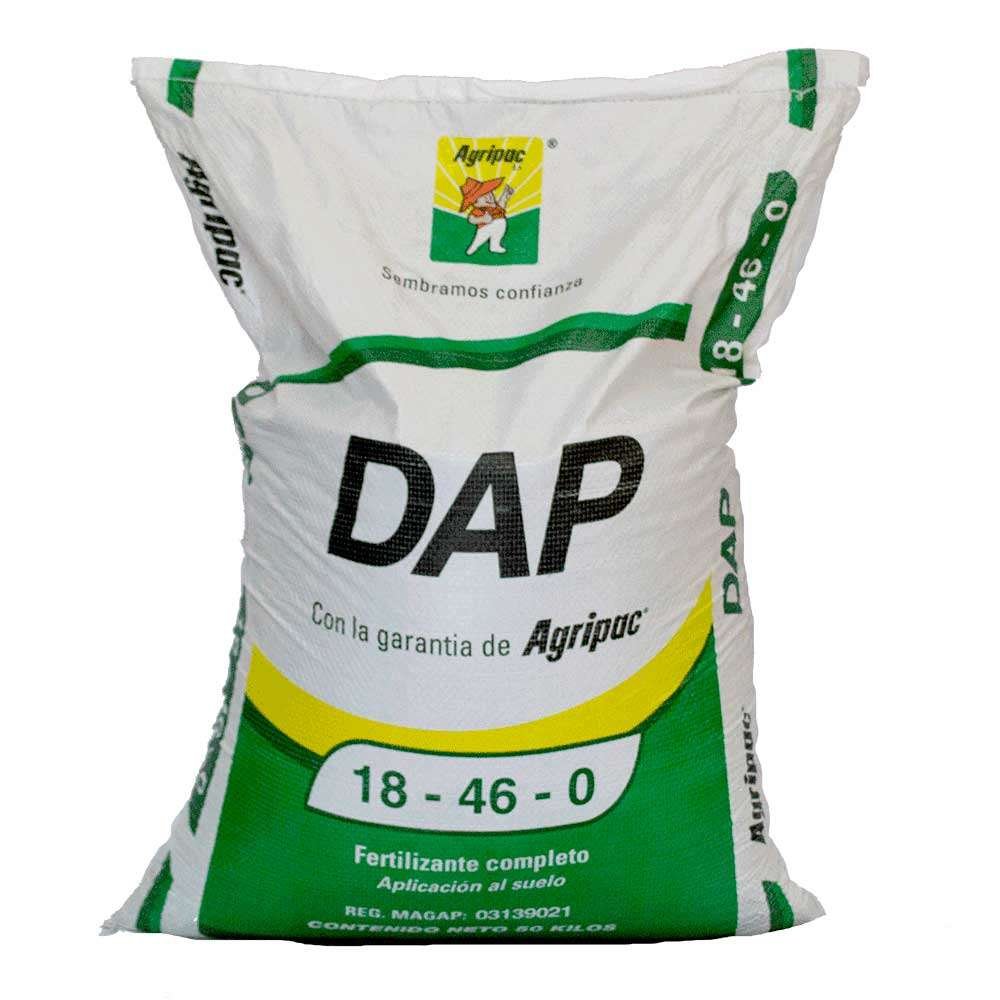
SDAP 18-46-0 Diammonium Phosphate Fertilizer is a concentrated phosphorus fertilizer that supplies two essential plant nutrients: nitrogen and phosphorus. With its 18-46-0 NPK grade, this fertilizer contains 18% nitrogen, 46% phosphate, and no declared potash. Its high phosphate content makes it an option for agricultural fertilizer programs where crops require a substantial phosphorus supply alongside nitrogen.
Farmers, commercial growers, plantation operators, and agricultural suppliers understand that proper nutrient management is essential for healthy crop development and productive farming. Plants need different nutrients at different growth stages, and selecting a fertilizer with the appropriate nutrient composition can help address soil deficiencies and support crop establishment.
Diammonium phosphate, commonly known as DAP, is widely recognized as a concentrated nitrogen-and-phosphorus fertilizer. SDAP 18-46-0 Diammonium Phosphate Fertilizer may be considered for suitable agricultural applications when soil analysis and crop requirements indicate that this nutrient combination is appropriate.
Understanding the fertilizer grade, agricultural applications, and proper handling practices can help growers make informed decisions when purchasing and using SDAP 18-46-0 Diammonium Phosphate Fertilizer.
Understanding the 18-46-0 NPK Fertilizer Grade
The numbers in the 18-46-0 fertilizer grade represent the percentages of nitrogen (N), phosphate (P₂O₅), and potash (K₂O), respectively.
The nutrient composition is as follows:
- 18% Nitrogen (N): Nitrogen supports chlorophyll production, protein formation, and healthy vegetative growth.
- 46% Phosphate (P₂O₅): Phosphorus supports root development, energy transfer, and important processes involved in plant establishment and growth.
- 0% Declared Potash (K₂O): The grade does not declare potash as a supplied nutrient, so crops requiring additional potassium may need another fertilizer source.
The high phosphate concentration makes DAP 18-46-0 a concentrated fertilizer option for fields where phosphorus is required. Its nitrogen component also contributes to plant nutrition, although the total nitrogen supply needed by many crops may require additional nitrogen fertilizer later in the growing season.
The 18-46-0 grade is a conventional analysis associated with diammonium phosphate. However, buyers should verify the exact product identity and specifications on the SDAP manufacturer’s label or technical data sheet before making purchasing and application decisions.
Key Benefits of SDAP 18-46-0 Diammonium Phosphate Fertilizer
1. Supports Root Development
Phosphorus is essential for energy transfer and normal plant development. It supports the formation and growth of roots, helping plants establish a system for absorbing water and nutrients from the soil.
A sufficient phosphorus supply is particularly important when crops are establishing themselves. When soil phosphorus is deficient, an appropriate phosphorus fertilizer can help correct the deficiency and support early development.
The effectiveness of SDAP 18-46-0 depends on soil conditions, including pH and the chemical properties that influence phosphorus availability. Soil testing helps determine whether phosphorus fertilizer is needed.
2. Supplies Nitrogen for Vegetative Growth
Nitrogen is an essential component of chlorophyll, amino acids, and proteins. These compounds support photosynthesis and the biological processes necessary for plant growth.
The 18% nitrogen content in SDAP 18-46-0 provides an additional source of nitrogen as part of a fertilizer program. However, nitrogen requirements vary among crops and throughout the growing season. Farmers should calculate total nutrient requirements rather than relying on one fertilizer product to meet every nitrogen need.
3. Provides Concentrated Phosphate
With 46% declared phosphate expressed as P₂O₅, DAP 18-46-0 delivers a concentrated source of phosphorus. Concentrated fertilizers can help simplify nutrient planning when phosphorus is required, although the correct application rate must be based on the amount of nutrient needed by the crop.
Applying phosphorus when it is already sufficient in the soil may offer little benefit and can contribute to unnecessary nutrient accumulation. Soil analysis and local agricultural recommendations should guide product selection.
4. Supports Planned Crop Nutrition
SDAP 18-46-0 can be included in a broader nutrient management plan that accounts for nitrogen, phosphorus, potassium, and other essential nutrients. By selecting fertilizer products according to soil test results, farmers can better target specific nutrient requirements.
Because this grade contains no declared potash, potassium requirements must be considered separately. Depending on the crop and soil, growers may need a suitable potassium fertilizer or another complete nutrient source.
Agricultural Applications of SDAP 18-46-0 Diammonium Phosphate Fertilizer
Rice Farming
Rice crops require adequate nutrition for establishment, tillering, and grain development. Phosphorus supports root growth and energy-related processes, while nitrogen contributes to leaf and tiller development.
SDAP 18-46-0 may be considered in rice fertilizer programs when soil tests and local recommendations indicate a need for phosphorus and nitrogen. Rice cultivation systems vary in water management and soil characteristics, so application timing and placement should follow locally appropriate guidance.
Corn and Other Field Crops
Corn and other field crops require phosphorus for early development and nitrogen for continued growth. When soil phosphorus is inadequate, a concentrated phosphorus fertilizer may be included in the crop nutrition plan.
The appropriate fertilizer rate depends on soil nutrient levels, crop requirements, previous fertilizer applications, and expected yield. Potassium and other nutrients must also be supplied when required.
Vegetable Production
Vegetable crops need adequate phosphorus for root development and energy transfer. Certain vegetable production programs may benefit from DAP 18-46-0 when soil testing indicates a phosphorus requirement.
Because vegetables differ in their nutrient needs, growers should use crop-specific fertilizer recommendations. Fertilizer placement is especially important around seeds and young roots because concentrated fertilizer can cause injury under unsuitable conditions.
Fruit Trees and Plantation Crops
Fruit trees and plantation crops require nutrients to support root activity, foliage, flowering, and fruit development. SDAP 18-46-0 may be considered where phosphorus and nitrogen are needed as part of a crop-specific nutrient management program.
Plant age, soil conditions, expected production, and the crop’s nutrient requirements should be considered before application. For perennial crops, soil and leaf analysis may help determine whether additional phosphorus is appropriate.
How to Apply SDAP 18-46-0 Fertilizer Effectively
Proper application helps improve nutrient-use efficiency and reduce the risk of crop injury and environmental losses. Before using SDAP 18-46-0 Diammonium Phosphate Fertilizer, farmers should review the product label and determine the crop’s nutrient requirements.
Follow these general practices:
- Conduct soil testing: Determine phosphorus availability, soil pH, and other nutrient levels before selecting a fertilizer program.
- Follow crop-specific recommendations: Apply the recommended quantity based on the crop, soil conditions, and growing stage.
- Use suitable placement: Avoid placing concentrated fertilizer directly against seeds or sensitive roots unless the product label and local recommendations specifically permit that method.
- Apply uniformly: Even distribution helps reduce areas of excessive or insufficient nutrient supply.
- Manage rainfall and irrigation: Prevent fertilizer runoff into drains, rivers, ponds, and other waterways.
- Monitor crop performance: Observe plant development and use soil or plant-tissue testing when appropriate to assess nutrient management.
There is no universal application rate for every crop. The correct amount and placement depend on the product label, soil test results, crop requirements, and local agricultural recommendations.
Storage and Safe Handling Guidelines
Store SDAP 18-46-0 Diammonium Phosphate Fertilizer in its original, labeled packaging in a dry, well-ventilated storage area. Protect the product from moisture, contamination, and packaging damage.
Keep fertilizer away from food, animal feed, children, and unauthorized users. Follow the manufacturer’s safety data sheet for handling precautions and any recommended protective equipment.
Avoid allowing fertilizer spills or wash water to enter waterways. Dispose of empty packaging and unused product according to the label and local requirements. Responsible storage and handling help maintain fertilizer quality and reduce environmental risks.
Why Choose SDAP 18-46-0 Diammonium Phosphate Fertilizer?
SDAP 18-46-0 Diammonium Phosphate Fertilizer offers a concentrated nitrogen-and-phosphorus nutrient profile for agricultural users whose crops require these nutrients. Its high phosphate content makes it a potential option for soil fertility programs where phosphorus is needed, while its nitrogen component contributes to the overall nutrient supply.
However, the best fertilizer is not necessarily the one with the highest nutrient concentration. Farmers should choose products based on soil test results, crop nutrient demand, application requirements, and the availability of other nutrients. This approach supports more efficient fertilizer use and responsible farm management.
Conclusion
SDAP 18-46-0 Diammonium Phosphate Fertilizer is a concentrated fertilizer option with a declared grade of 18% nitrogen, 46% phosphate, and 0% potash. It can support crop nutrition programs where nitrogen and phosphorus are required, particularly when additional phosphorus is justified by soil analysis and crop-specific recommendations.
For effective results, farmers should verify the product specifications, conduct soil testing, follow label instructions, and account for potassium and other nutrients that may be required. Careful fertilizer selection and responsible application can help improve nutrient management and support sustainable agricultural production.
For buyers searching for SDAP 18-46-0 Diammonium Phosphate Fertilizer, understanding its nutrient grade and matching it to actual crop and soil requirements are important steps toward informed purchasing and effective crop nutrition.
Reviews
There are no reviews yet.