

Description
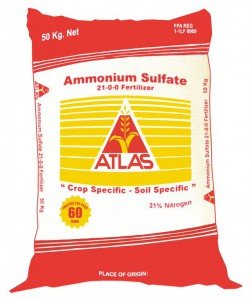
Atlas Ammonium Sulfate 21-0-0 Fertilizer – Product Description, Benefits, Uses, and Application Guide
Introduction to Atlas Ammonium Sulfate 21-0-0 Fertilizer
Atlas Ammonium Sulfate 21-0-0 Fertilizer is a nitrogen fertilizer designed to support plant growth, healthy foliage, and agricultural productivity. Nitrogen is one of the essential nutrients required by plants because it contributes to chlorophyll production, protein formation, and the development of leaves and stems. For farmers, gardeners, and agricultural businesses, choosing a suitable nitrogen fertilizer is an important part of maintaining soil fertility and supporting crop development.
The 21-0-0 fertilizer grade indicates that the product contains 21% nitrogen, with no guaranteed phosphate or potash content represented in the grade. Ammonium sulfate fertilizers also commonly supply sulfur, another important plant nutrient. The exact sulfur content and other product specifications for Atlas Ammonium Sulfate should be verified on the packaging or official product documentation.
Whether used in suitable field-crop systems, horticultural production, or other authorized agricultural applications, Atlas Ammonium Sulfate 21-0-0 can be considered as part of a balanced crop nutrition program. Its suitability depends on crop requirements, soil conditions, local recommendations, and the manufacturer’s application instructions.
What Is Atlas Ammonium Sulfate 21-0-0 Fertilizer?
Ammonium sulfate is a nitrogen fertilizer that supplies nitrogen in ammonium form and typically provides sulfur as well. Nitrogen supports vegetative growth, while sulfur contributes to amino acid and protein formation and helps plants use nitrogen effectively.
The fertilizer grade 21-0-0 describes the guaranteed nutrient analysis in the conventional nitrogen-phosphate-potash format:
- 21% nitrogen (N): Supports leaf development, chlorophyll formation, and plant growth.
- 0% phosphate (P₂O₅): No phosphate is declared in the grade.
- 0% potash (K₂O): No potash is declared in the grade.
The grade does not, by itself, specify every nutrient in the product. Buyers should check the product label for its sulfur analysis, physical characteristics, packaging size, and handling recommendations.
Atlas Ammonium Sulfate 21-0-0 is most appropriately selected when a crop requires additional nitrogen and sulfur and soil or crop assessments indicate that these nutrients are needed.
Key Benefits of Atlas Ammonium Sulfate 21-0-0 Fertilizer
1. Provides Nitrogen for Plant Growth
Nitrogen is essential for the formation of chlorophyll, the green pigment plants use to capture sunlight for photosynthesis. Adequate nitrogen nutrition supports the development of leaves and stems and helps plants maintain normal growth.
When nitrogen is deficient, plants may develop pale or yellowing leaves, reduced vigor, and slower growth. Applying a suitable nitrogen fertilizer can help correct a deficiency when nitrogen is the underlying cause. However, similar symptoms can result from other nutrient deficiencies, pests, diseases, or unfavorable growing conditions, so assessment is important before fertilizing.
2. Supplies Sulfur for Crop Nutrition
Ammonium sulfate typically supplies both nitrogen and sulfur. Sulfur is needed for the production of certain amino acids and proteins and plays a role in several plant metabolic processes.
Crops growing in sulfur-deficient soils may benefit from an appropriate sulfur-containing fertilizer. The value of this nutrient depends on the crop, soil type, organic matter content, rainfall, and other growing conditions. Check Atlas product documentation for the guaranteed sulfur content before calculating its contribution to a crop nutrition plan.
3. Supports Balanced Fertilizer Management
Effective crop nutrition involves supplying nutrients according to the needs of the crop rather than applying fertilizer without a plan. Atlas Ammonium Sulfate 21-0-0 may be useful where nitrogen and sulfur are required, but it does not replace phosphate- or potassium-containing fertilizers when those nutrients are deficient.
Soil testing, crop history, and local agricultural recommendations can help farmers determine whether ammonium sulfate is an appropriate choice. A balanced nutrient program can help avoid unnecessary fertilizer costs and improve the efficiency of nutrient use.
4. Suitable for Different Agricultural Systems When Recommended
Nitrogen fertilizers are used in many types of crop production, but the correct fertilizer depends on the plant, soil, and production system. Ammonium sulfate may be considered for selected field crops, vegetables, and other agricultural crops when its nutrient composition matches the crop’s requirements and local guidance supports its use.
Not every crop or soil benefits equally from the same fertilizer. Because ammonium sulfate can contribute to soil acidification over time, it requires particular consideration in already acidic soils.
Agricultural Applications of Atlas Ammonium Sulfate 21-0-0
Atlas Ammonium Sulfate 21-0-0 can be incorporated into a crop nutrition program when additional nitrogen is needed and sulfur supplementation is appropriate.
Potential application settings may include:
- Field-crop production: Nitrogen is important for crop establishment, foliage development, and other growth stages, depending on the crop.
- Vegetable farming: Certain vegetables require a carefully managed nitrogen supply to support healthy growth and marketable produce.
- Horticultural production: Selected horticultural crops may benefit from additional nitrogen and sulfur when supported by soil or crop assessments.
- General farm nutrient management: Farmers may consider ammonium sulfate as one component of a broader fertilizer program designed around measured nutrient requirements.
These examples are general agricultural contexts, not confirmation that every crop is approved or recommended for the specific Atlas product. Always verify the manufacturer’s label and local agricultural guidance before use.
How to Use Atlas Ammonium Sulfate Fertilizer Responsibly
Correct fertilizer management helps crops obtain nutrients while reducing the risk of nutrient loss and environmental damage. Before using Atlas Ammonium Sulfate 21-0-0, review the label and consider the following practices.
Conduct a soil test. Soil testing can identify nutrient deficiencies and provide information about soil pH. This is particularly important because repeated ammonium sulfate applications can increase soil acidity.
Determine crop nutrient requirements. Nitrogen needs differ by crop, growth stage, expected yield, and growing conditions. Base the fertilizer plan on crop-specific recommendations rather than using a universal application rate.
Follow the product instructions. Use only the application methods and rates recommended by the manufacturer or qualified local agricultural advisers. The 21-0-0 grade alone is not enough to determine an appropriate application rate.
Avoid excessive nitrogen application. Too much nitrogen can encourage excessive vegetative growth, affect crop quality, increase the risk of lodging in some crops, and contribute to nutrient losses.
Manage fertilizer placement and timing. Follow locally recommended practices for placement, incorporation, and timing. Avoid applications when heavy rainfall or runoff could carry nutrients into waterways.
Monitor soil pH. Because ammonium sulfate can acidify soil over time, periodic soil testing helps determine whether pH management or a different fertilizer strategy is needed.
Storage and Handling Guidelines
Store Atlas Ammonium Sulfate 21-0-0 Fertilizer in a dry, well-ventilated location and protect it from moisture according to the manufacturer’s recommendations. Keep the product in its original labeled packaging whenever possible and prevent contamination with other materials.
Use appropriate protective equipment when handling fertilizer, especially if dust may be generated. Avoid breathing dust and prevent unnecessary contact with eyes and skin. Wash hands after handling and keep fertilizer away from children, food, and animal feed.
Do not store fertilizer where spills or runoff could reach drains, wells, ponds, or streams. Follow the product label and local requirements for cleanup and disposal.
Why Choose Atlas Ammonium Sulfate 21-0-0 Fertilizer?
For farmers and agricultural supply businesses, Atlas Ammonium Sulfate 21-0-0 offers a fertilizer grade intended to supply nitrogen, with ammonium sulfate typically providing sulfur as well. Its practical value depends on whether those nutrients are needed by the crop and whether the soil conditions are suitable.
Before purchasing, compare the guaranteed nutrient analysis, packaging details, supplier reliability, and instructions for use. Confirm the sulfur content and any additional product specifications from the official label. Buying from a reputable agricultural supplier also helps ensure that the product is correctly identified and accompanied by appropriate documentation.
Conclusion
Atlas Ammonium Sulfate 21-0-0 Fertilizer is a nitrogen fertilizer option for agricultural nutrient management. Its 21% nitrogen grade identifies its primary declared nutrient, while ammonium sulfate fertilizers typically supply sulfur as an additional plant nutrient. These nutrients can contribute to normal plant development when applied according to crop requirements and soil conditions.
For the best results, farmers should use soil testing, crop-specific recommendations, and responsible fertilizer practices to determine whether Atlas Ammonium Sulfate is suitable for their operation. Paying attention to application timing, nitrogen requirements, soil acidity, and environmental protection can help improve nutrient management and support sustainable agricultural production.

Reviews
There are no reviews yet.