

Description
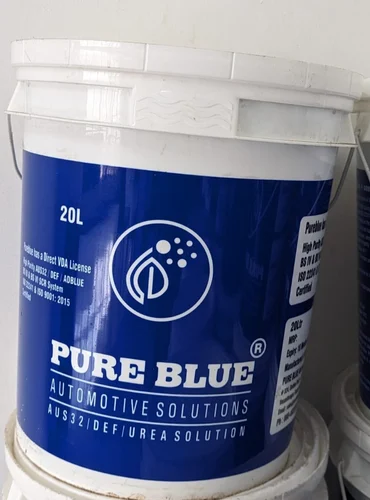
Urea Blue Fertilizer – Product Description, Benefits, Uses, and Application Guide
Introduction to Urea Blue Fertilizer
Urea Blue Fertilizer is a specialized nitrogen fertilizer designed to support plant growth and crop nutrition. Nitrogen is one of the most important nutrients required by plants because it contributes to chlorophyll production, protein formation, and the development of healthy leaves and stems. For farmers, commercial growers, and agricultural supply businesses, choosing an appropriate nitrogen fertilizer is essential for maintaining soil fertility and supporting productive crop management.
One manufacturer, GAT Fertilizers, describes its Urea Blue product as a granular fertilizer containing 45% nitrogen by weight, with a nitrogen stabilizer additive. The product is described as having bluish pellets and is intended for certain plantation crops, field crops, and vegetables. Because products sold under similar names may have different formulations, buyers should verify the exact product label and guaranteed analysis before purchasing or applying Urea Blue.
Unlike a balanced NPK fertilizer, a nitrogen-focused fertilizer is primarily used to supply nitrogen rather than provide a complete combination of nitrogen, phosphorus, and potassium. Urea Blue may therefore be considered when additional nitrogen is required as part of a broader crop nutrition program.
What Is Urea Blue Fertilizer?
Urea Blue is a specialty urea fertilizer. Urea is a concentrated nitrogen source commonly used in agricultural production. The specific GAT Fertilizers formulation includes a nitrogen stabilizer additive, according to its product documentation. Such additives are intended to help manage nitrogen losses under specified conditions, although the actual performance depends on the formulation, soil conditions, weather, and application practices.
Nitrogen supports several essential plant functions, including photosynthesis, the production of amino acids, and the formation of proteins needed for growth. An adequate nitrogen supply helps plants develop and maintain healthy foliage.
The exact characteristics of Urea Blue should be checked against the product’s label. In particular, farmers should verify its nitrogen percentage, additive composition, recommended application methods, and any crop-specific restrictions before use.
Key Benefits of Urea Blue Fertilizer
1. Provides Nitrogen for Plant Growth
Nitrogen is essential for chlorophyll formation, which enables plants to capture sunlight for photosynthesis. It also contributes to the formation of proteins and other compounds necessary for plant development.
When crops experience nitrogen deficiency, their leaves may become pale or yellow, and growth may slow. Applying a suitable nitrogen fertilizer can help address the deficiency when insufficient nitrogen is the underlying cause.
Urea Blue can be considered for crops requiring supplemental nitrogen when its verified nutrient analysis and application directions match the farm’s requirements.
2. Specialized Formulation with a Nitrogen Stabilizer
The GAT Fertilizers Urea Blue formulation is described as containing a nitrogen stabilizer additive. The purpose of a stabilizer depends on its chemistry and how the product is intended to be used. Certain nitrogen stabilizers can help reduce specific pathways of nitrogen loss, but their effects should not be assumed to be identical across all products or field conditions. <Cite refs={[“turn148310search12″,”turn148310search5”]} />
For farmers, the practical benefit depends on the verified formulation, the timing of application, soil moisture, temperature, and other environmental factors. Follow the manufacturer’s recommendations to obtain the intended performance.
3. Supports Healthy Leaves and Stems
Adequate nitrogen nutrition helps support vegetative development, including the formation of leaves and stems. Healthy foliage allows plants to capture sunlight and produce energy for growth.
However, excessive nitrogen can encourage overly vigorous vegetative growth, delay maturity in some crops, or contribute to lodging under certain conditions. A carefully planned fertilizer program is therefore more effective than applying nitrogen without considering crop needs.
4. Bluish Granular Form
The GAT Fertilizers product documentation describes Urea Blue as bluish pellets with an average particle size of approximately 4 by 2 millimeters. The physical form may support handling and distribution using suitable agricultural equipment. Buyers should confirm these characteristics on the documentation for the product they intend to purchase.
Granule size and physical consistency can influence how fertilizer is stored, measured, and spread. For uniform distribution, use equipment suitable for the product and follow the manufacturer’s instructions.
5. Potential Role in Nitrogen Management
Nitrogen fertilizer is widely used in agricultural systems to address crop nutrient requirements. Urea Blue may be useful where a nitrogen-focused fertilizer is appropriate, but it does not automatically supply phosphorus, potassium, or other nutrients that may be required.
Soil testing and crop-specific recommendations help farmers determine whether a nitrogen fertilizer is needed and how it should fit into the overall nutrient management plan.
Agricultural Applications of Urea Blue Fertilizer
According to GAT Fertilizers, its Urea Blue product is intended for certain plantations, field crops, and vegetables, with application options described as including broadcasting onto the soil surface, mechanical mixing into soil, or fertigation. These methods should only be used when permitted by the exact product label and suitable for the crop and irrigation system.
Potential agricultural settings for appropriately selected nitrogen fertilizers include:
- Plantation crops: Nitrogen may be required to support growth and maintain healthy foliage, depending on crop age and soil fertility.
- Field crops: Crops such as cereals and other field-grown plants may require nitrogen at specific stages of development.
- Vegetable production: Nitrogen supports leaf and stem development, but the amount and timing depend on the vegetable species and its growth stage.
- Commercial farming: Nitrogen fertilizers can form part of a planned program based on soil tests, crop requirements, and expected yield.
These examples do not mean that every crop or application method is approved for every Urea Blue product. Confirm the specific label, local registration, and applicable agricultural guidance before use.
Best Practices for Applying Urea Blue Fertilizer
Correct application is important for efficient nitrogen use, crop performance, and environmental protection.
Conduct soil testing. Soil analysis and crop assessment help determine whether nitrogen is needed and whether other nutrient deficiencies must also be addressed.
Follow crop-specific recommendations. Nitrogen requirements vary by crop, soil type, growth stage, weather, and expected yield. Avoid relying on a universal application rate.
Follow the manufacturer’s label. Use the specified application rate, method, timing, and precautions. Do not assume that instructions for ordinary urea automatically apply to a specialized formulation.
Manage nitrogen losses. Urea left on the soil surface can lose nitrogen through ammonia volatilization under certain conditions. Appropriate incorporation, rainfall timing, or irrigation may help reduce losses when consistent with the label and local recommendations.
Avoid overapplication. Excessive nitrogen may affect crop quality, increase the risk of nutrient losses, and create unnecessary expenses.
Protect water sources. Avoid fertilizer applications when heavy rainfall could wash nutrients into drains, streams, ponds, or other waterways.
Review the full nutrient program. Nitrogen fertilizer does not replace phosphorus, potassium, or micronutrients when crops need them. A balanced program should reflect soil conditions and crop-specific requirements.
Storage and Handling Guidelines
Store Urea Blue Fertilizer in a dry, well-ventilated area, following the manufacturer’s instructions. Protect the product from moisture and keep its original packaging closed when not in use.
Keep fertilizer away from food, animal feed, children, and unauthorized persons. Use suitable protective equipment when handling the material, avoid unnecessary dust exposure, and wash hands after use.
Prevent spills from entering drains, waterways, or other sensitive environments. Follow the label and local requirements for spill cleanup, damaged packaging, and disposal of unused fertilizer.
Why Choose Urea Blue Fertilizer?
For farmers and agricultural supply businesses, Urea Blue may be an option when a specialized nitrogen fertilizer fits the crop’s nutritional requirements. The GAT Fertilizers formulation is described as containing 45% nitrogen and a nitrogen stabilizer additive, but these specifications should not be assumed to apply to every product sold under the name Urea Blue.
Before purchasing, verify the product’s guaranteed analysis, stabilizer details, package condition, application instructions, and supplier reliability. A reputable agricultural supplier should be able to provide current product documentation to support informed purchasing decisions.
Conclusion
Urea Blue Fertilizer is a specialized nitrogen fertilizer that can support crop nutrition when applied according to verified product instructions. Nitrogen contributes to chlorophyll production, protein formation, and healthy vegetative growth. Some formulations, such as the Urea Blue described by GAT Fertilizers, also contain a nitrogen stabilizer additive intended to support nitrogen management.
For effective and responsible use, farmers should confirm the product’s composition, assess crop nutrient requirements, follow the manufacturer’s label, and apply fertilizer at recommended rates. Combining appropriate nitrogen management with soil testing, sound irrigation practices, and balanced crop nutrition can help support agricultural productivity and more efficient fertilizer use.
Reviews
There are no reviews yet.