
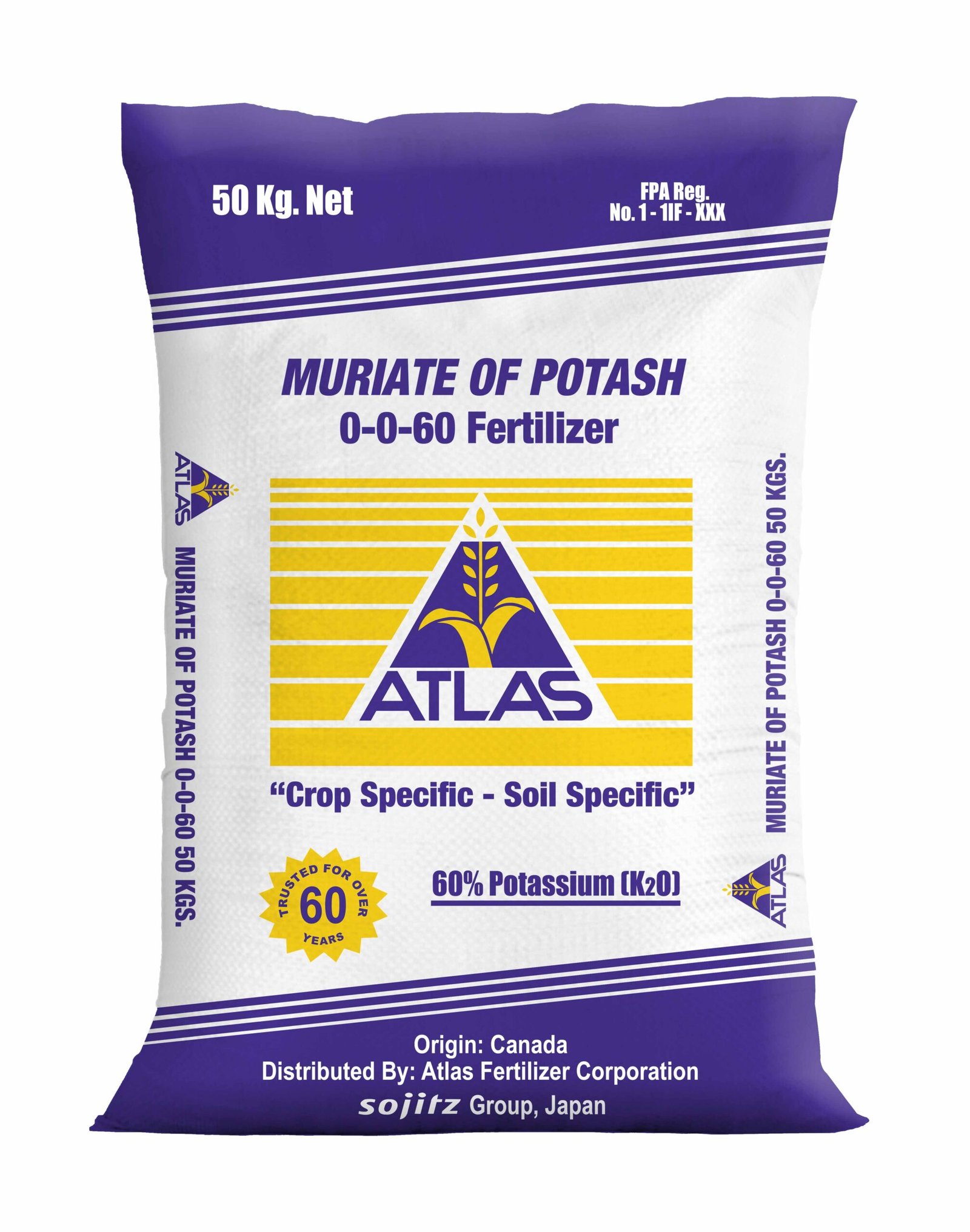

Description
Muriate of Potash 0-0-60 Potassium Fertilizer: Benefits, Uses, and Application Guide
Introduction to Muriate of Potash 0-0-60 Potassium Fertilizer
Muriate of Potash 0-0-60 Potassium Fertilizer is a concentrated potassium fertilizer widely used in agriculture to help meet the potassium requirements of various crops. Commonly known as MOP fertilizer, muriate of potash is generally based on potassium chloride and is valued for its high potassium content. Potassium Fertilizer It can be an important component of crop nutrition programs for farmers, agricultural suppliers, plantation operators, and commercial growers seeking to maintain soil fertility and support productive harvests.
Potassium is one of the three primary plant macronutrients, alongside nitrogen and phosphorus. While nitrogen supports leaf and stem development and phosphorus contributes to root growth and energy transfer, potassium plays an important role in water regulation, enzyme activation, nutrient transport, and many other plant processes. Adequate potassium nutrition helps crops maintain normal physiological functions throughout their growth cycles.
The fertilizer grade 0-0-60 indicates 0% declared nitrogen, 0% declared phosphate, and 60% declared potash, expressed as potassium oxide equivalent (K₂O). It does not mean that the product contains 60% elemental potassium. The exact composition, chloride content, and physical characteristics should be confirmed using the manufacturer’s product label.
For growers looking for a concentrated potassium source, Muriate of Potash 0-0-60 may be suitable for many agricultural applications. However, crop requirements, soil conditions, and chloride sensitivity must be considered before choosing this fertilizer.
What Is Muriate of Potash 0-0-60 Fertilizer?
Muriate of Potash, or MOP, is a potassium fertilizer generally produced from potassium chloride. It is widely used to supply potassium to agricultural soils where additional potassium is required.
The 0-0-60 fertilizer grade describes the product’s declared nutrient analysis:
- 0% Nitrogen (N): The grade does not declare nitrogen as a supplied nutrient.
- 0% Phosphate (P₂O₅): The grade does not declare phosphate as a supplied nutrient.
- 60% Potash (K₂O equivalent): Provides a concentrated source of potassium expressed in the standard fertilizer-labeling format.
Because Muriate of Potash focuses on potassium, it does not replace nitrogen or phosphorus fertilizers when crops require those nutrients. It is often incorporated into a broader fertilization program based on soil tests and crop nutrient recommendations.
The term “muriate” refers to chloride in the potassium chloride compound. This is important because some crops are sensitive to chloride or to elevated salt concentrations. Farmers should therefore confirm whether MOP is suitable for their crop and growing conditions.
Key Benefits of Muriate of Potash 0-0-60 Potassium Fertilizer
1. Supports Water Regulation in Plants
Potassium helps regulate water movement within plant cells and contributes to the opening and closing of stomata, the small openings on leaves that control gas exchange and water loss.
When potassium availability is adequate, plants can maintain normal water regulation and other essential physiological processes. This is especially relevant in agricultural systems where water management is an important part of crop production.
However, potassium fertilizer cannot replace appropriate irrigation or eliminate the effects of severe drought.
2. Helps Maintain Healthy Plant Growth
Potassium activates numerous enzymes involved in plant metabolism. It also contributes to carbohydrate movement and the normal development of plant tissues.
Muriate of Potash 0-0-60 can help correct potassium deficiencies when soil testing indicates that additional potassium is required. Appropriate potassium nutrition supports healthy growth, while excessive application can increase soil salinity and interfere with the availability of other nutrients.
3. Supports Crop Quality and Development
Potassium plays an important role in the development of many agricultural crops. Adequate potassium nutrition can contribute to the normal development of fruits, grains, tubers, and other harvested plant parts.
In crops where potassium deficiency limits productivity or quality, a suitable application of MOP may help address that limitation. Results depend on crop species, soil fertility, weather, irrigation, and the overall nutrient management program.
4. Provides a Concentrated Potassium Source
The 0-0-60 grade offers a concentrated source of potassium expressed as K₂O equivalent. This can make Muriate of Potash convenient for farmers who need to supplement soil potassium levels.
Its concentration allows growers to calculate potassium inputs accurately when they know the required nutrient rate and the product’s guaranteed analysis. Correct calibration and application are essential to ensure even distribution across the field.
5. Fits into Different Fertilizer Programs
Muriate of Potash can be used alongside nitrogen and phosphorus fertilizers when a crop requires a combination of nutrients. This flexibility allows growers to build fertilizer programs around soil test results, crop nutrient demands, and expected yields.
The best fertilizer combination depends on the soil and crop. A balanced approach helps prevent unnecessary applications and improves the efficiency of nutrient management.
Agricultural Uses of Muriate of Potash 0-0-60
Rice Farming
Rice requires potassium for normal water regulation, enzyme activity, and overall plant development. Muriate of Potash may be included in a rice fertilization program where additional potassium is needed.
Application should follow local rice-production recommendations and account for soil fertility, irrigation, and other fertilizer inputs.
Corn and Cereal Crops
Corn, wheat, and other cereal crops require potassium for various physiological processes throughout the growing season. Adequate potassium helps maintain normal plant function and supports crop development.
MOP may be applied where soil testing indicates a potassium requirement. The correct amount depends on soil nutrient levels, crop yield targets, and regional recommendations.
Fruit and Vegetable Production
Many fruit and vegetable crops require adequate potassium for normal growth and harvested-product development. Potassium management is particularly important in intensive production systems where crops remove substantial nutrients from the soil.
However, chloride sensitivity varies among crops. Growers of chloride-sensitive plants should consider alternative potassium sources, such as potassium sulfate, when recommended by an agronomist.
Root and Tuber Crops
Crops such as potatoes and other tuber-producing plants require potassium for normal growth and carbohydrate metabolism. A potassium fertilizer may be part of a suitable nutrient program, but the chloride content of MOP and the crop’s quality requirements should be considered carefully.
Plantation and Commercial Crops
Plantation crops and other commercial agricultural plants may require supplemental potassium depending on their nutrient demand and soil conditions. Muriate of Potash can be incorporated into a nutrient management plan when its composition is appropriate for the crop and local growing environment.
How to Apply Muriate of Potash 0-0-60 Correctly
Proper application helps improve nutrient-use efficiency and reduces the risk of fertilizer damage or losses. Before applying Muriate of Potash 0-0-60, conduct a soil test where possible and determine the crop’s potassium requirements.
Follow the manufacturer’s instructions and local agricultural recommendations for application rate, timing, placement, and equipment. MOP may be applied through suitable soil application methods, depending on the crop and product label.
Important considerations include:
- Test soil potassium levels: Avoid applying potassium when the soil already contains adequate amounts unless a specific recommendation supports it.
- Consider chloride sensitivity: Confirm that the crop can tolerate the chloride supplied by MOP.
- Distribute fertilizer evenly: Use calibrated equipment to prevent excessive concentrations in particular areas.
- Avoid direct contact with sensitive roots or seeds: Follow the product label to minimize the risk of salt injury.
- Manage rainfall and irrigation: Avoid application immediately before heavy rainfall when runoff or nutrient movement is likely.
Muriate of Potash is a salt-based fertilizer. Applying excessive amounts, especially near seeds or roots, can cause salt injury. In some conditions, repeated applications may contribute to soil salinity or chloride accumulation.
Storage and Handling Guidelines
Store Muriate of Potash 0-0-60 in a suitable, dry storage area and follow the manufacturer’s instructions. Keep the fertilizer in its original labeled packaging and protect it from contamination and unsuitable storage conditions.
Wear appropriate protective equipment, such as gloves and eye protection, when handling fertilizer. Avoid unnecessary dust exposure, wash your hands after handling, and keep the product away from food, animal feed, children, and unauthorized users.
Prevent fertilizer from entering streams, ponds, drainage systems, and other waterways. Follow local requirements and the product’s safety information for cleanup, storage, and disposal.
Why Choose Muriate of Potash 0-0-60 Potassium Fertilizer?
For farmers seeking a concentrated potassium source, Muriate of Potash 0-0-60 may be a practical option when soil tests identify a potassium requirement and the crop is suitable for chloride-containing fertilizer.
Its high potash grade can help simplify potassium nutrient calculations and support a wide range of agricultural fertilization programs. Nevertheless, successful use depends on choosing the correct rate, understanding the crop’s chloride tolerance, and maintaining balanced soil nutrition.
Before purchasing, confirm the product’s guaranteed analysis, packaging size, physical characteristics, and supplier documentation. Responsible fertilizer selection and application help farmers manage input costs while supporting productive and sustainable farming practices.
Conclusion
Muriate of Potash 0-0-60 Potassium Fertilizer is a concentrated potassium fertilizer commonly used to supply this essential nutrient to agricultural crops. Potassium supports water regulation, enzyme activity, nutrient transport, and normal plant development.
For rice, corn, cereals, vegetables, fruit crops, and other suitable plants, MOP may be a valuable part of a balanced fertilizer program when soil conditions and crop requirements justify its use. Because it contains chloride and can contribute to salt-related problems when overapplied, growers should consider crop sensitivity, soil salinity, and application timing carefully.
By using soil testing, following product instructions, and applying potassium according to crop needs, farmers can improve nutrient management and support healthy crop development.
SEO Keywords
Muriate of Potash 0-0-60 Potassium Fertilizer, MOP fertilizer, 0-0-60 fertilizer, potassium chloride fertilizer, potash fertilizer for crops, high potassium fertilizer, agricultural potassium fertilizer, fertilizer for rice farming, fertilizer for corn, potassium fertilizer for vegetables, potassium fertilizer for fruit trees, crop nutrition fertilizer, and soil potassium management.
Meta Title: Muriate of Potash 0-0-60 Fertilizer | Benefits and Uses
Meta Description: Discover Muriate of Potash 0-0-60 Potassium Fertilizer, its benefits, agricultural uses, application guidelines, and role in effective crop nutrition.
Suggested URL Slug: muriate-of-potash-0-0-60-potassium-fertilizer
Reviews
There are no reviews yet.