

Description
Premium Quality Soybean Seeds – 50 kg Sack: A Complete Guide for Farmers and Agricultural Buyers
Introduction to Premium Quality Soybean Seeds – 50 kg Sack
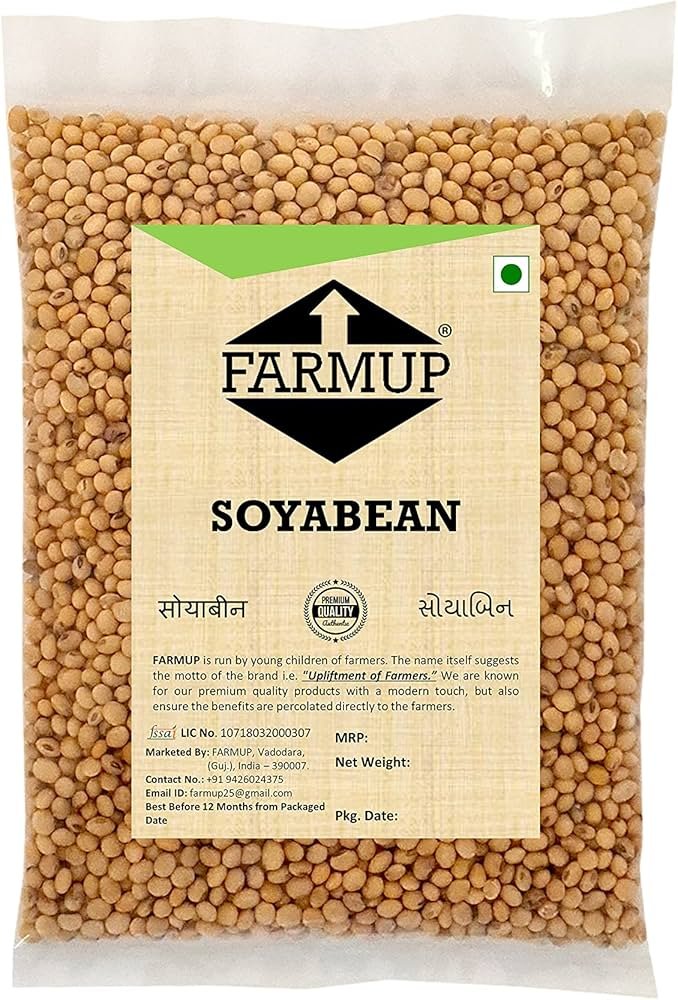
Premium Quality Soybean Seeds – 50 kg Sack are an important agricultural input for farmers, commercial growers, and agricultural businesses looking to establish productive soybean crops. Soybeans are widely cultivated for their protein-rich seeds and valuable oil content, making them an important crop for food production, animal feed, food processing, and various industrial applications. Selecting suitable soybean seeds is one of the first steps toward establishing a healthy crop and achieving a successful harvest.
Quality seeds can contribute to uniform germination, vigorous early growth, and a more consistent crop stand when they are properly stored and planted under suitable conditions. However, crop performance also depends on variety selection, soil fertility, water availability, planting practices, pest management, and local environmental conditions.
The 50 kg sack packaging provides a convenient quantity for farm supply planning, bulk purchasing, and agricultural inventory management. Before buying Premium Quality Soybean Seeds, farmers should verify the seed variety, germination rate, purity, treatment status, and suitability for their growing region.
This comprehensive guide explores the features, potential benefits, selection criteria, planting considerations, storage recommendations, and purchasing factors associated with Premium Quality Soybean Seeds – 50 kg Sack.
What Are Premium Quality Soybean Seeds?
Soybean seeds are the planting material used to grow soybean plants, scientifically known as Glycine max. Soybeans belong to the legume family and are cultivated in many agricultural regions because of their versatility and economic value.
The term “premium quality” generally describes seeds marketed as meeting higher quality expectations for characteristics such as physical purity, germination, seed health, and varietal identity. However, the phrase alone does not guarantee a particular germination percentage, certified status, genetic trait, or expected yield. Buyers should confirm these details through the supplier’s specifications and appropriate seed-testing documentation.
Premium soybean seeds may be available in different varieties suited to different climates, planting seasons, maturity periods, and production objectives. Some varieties are selected for particular yield characteristics, while others may be developed for disease resistance, lodging tolerance, or adaptation to local conditions.
Choosing the right variety is essential because seeds that perform well in one region may not be suitable for another. Farmers should consult local agricultural recommendations and select seed varieties that match their soil, climate, and production system.
Key Features of Premium Quality Soybean Seeds – 50 kg Sack
1. Germination Potential
Germination is the process through which a viable seed begins developing into a seedling under suitable conditions. High-quality planting seeds should have a verified germination rate appropriate for the relevant seed standards.
Good germination can help establish a more uniform crop stand, provided the seeds receive suitable moisture, temperature, oxygen, and planting conditions. Buyers should request a current germination test result rather than relying only on promotional descriptions.
2. Physical Seed Purity
Seed purity refers to the proportion of the seed lot that consists of the intended crop seed rather than unwanted materials or seeds from other species. High physical purity can make seed handling and planting more consistent.
When purchasing a 50 kg sack, inspect the packaging and documentation for information about purity, batch identification, and applicable quality standards.
3. Varietal Identity
The soybean variety determines important characteristics such as maturity period, plant growth habit, potential yield, and suitability for specific growing environments.
Farmers should confirm the variety name and ensure that it is appropriate for the local planting season. Where certification is available and relevant, purchasing certified seed from an authorized supplier can provide additional traceability.
4. Convenient 50 kg Packaging
A 50 kg sack is a bulk packaging option that may suit commercial farms, agricultural cooperatives, and buyers managing larger planting operations.
The appropriate number of sacks depends on the seed rate recommended for the selected variety, the intended planting area, seed quality, and local agricultural guidance. Farmers should calculate their requirements before ordering to avoid unnecessary purchases or shortages.
Benefits of Choosing Quality Soybean Seeds
Selecting reliable soybean seeds can support several important aspects of crop establishment and farm management.
More consistent crop establishment: Seeds with suitable germination and purity characteristics can contribute to a more uniform stand under favorable planting conditions.
Better planting planning: Verified seed specifications help farmers estimate their planting requirements and organize field preparation, labor, and other farm inputs.
Variety selection for local conditions: Choosing an appropriate soybean variety can improve the likelihood that the crop will mature within the local growing season.
Potential for productive crop development: Good seed quality provides a strong starting point for crop production, although final yield depends on many other factors, including weather, soil conditions, fertility, water management, pests, and diseases.
Bulk purchasing convenience: The 50 kg sack format can simplify procurement and stock management for farms that require larger quantities of planting material.
It is important to understand that premium seed quality does not guarantee a particular harvest volume. Instead, it is one component of a complete soybean production strategy.
How to Select the Right Soybean Seeds for Your Farm
Choosing soybean seeds requires more than comparing prices or package sizes. Farmers should evaluate the following factors before purchasing.
Climate and Growing Season
Different soybean varieties have different maturity characteristics and environmental requirements. Choose a variety recommended for the local climate and planting window. Local agricultural extension offices, seed specialists, or qualified agronomists can provide region-specific advice.
Germination Rate and Seed Purity
Request documentation showing the seed lot’s germination rate and purity. Confirm that the test results are current and applicable to the specific batch being purchased.
Disease Resistance and Variety Adaptation
Some soybean varieties may offer resistance or tolerance to particular diseases or other production challenges. Verify any resistance claims through official variety information and local recommendations. Resistance to one disease does not imply resistance to all soybean diseases.
Seed Treatment Information
Some soybean seeds are sold untreated, while others may be treated with approved fungicides, insecticides, or biological inoculants. Check the package label before handling or planting.
Treated seeds may require special handling and must not be used as food, animal feed, or for oil processing. Follow all label instructions for personal protection, planting, and disposal.
Supplier Reputation
Choose suppliers who can provide clear product identification, variety details, batch information, seed quality documentation, and appropriate storage guidance. A reliable supplier should be able to explain the seed’s intended use and any applicable certification.
Basic Planting Considerations for Soybean Seeds
Successful soybean production begins with proper field preparation and planting practices. Because requirements differ by variety and location, farmers should follow local agronomic recommendations rather than relying on one universal planting rate or schedule.
Soil Preparation
Soybeans generally perform best in well-drained soils that provide suitable conditions for root development. Before planting, assess soil texture, drainage, fertility, and pH. Soil testing can help identify nutrient deficiencies and guide appropriate soil amendments.
Avoid planting in fields where prolonged waterlogging is likely to damage seedlings or restrict root development.
Planting Time
The ideal planting time depends on local temperature, rainfall, irrigation availability, variety maturity, and the length of the growing season. Planting too early or too late can affect establishment and crop development.
Use regional planting calendars and variety-specific recommendations to determine the most suitable planting window.
Planting Depth and Spacing
Planting depth and row spacing should be based on soil conditions, seed size, equipment, and the recommendations for the selected variety. Seeds planted too deeply may struggle to emerge, while shallow planting can increase the risk of drying out under some conditions.
Use calibrated planting equipment where available and aim for an even seed distribution.
Soil Fertility and Inoculation
Soybeans are legumes capable of forming a beneficial relationship with compatible nitrogen-fixing bacteria. In fields where suitable bacteria are absent or insufficient, an appropriate soybean inoculant may be recommended.
Inoculation requirements depend on the field’s history, soil conditions, and local agricultural guidance. Nutrient management should be based on soil testing and crop recommendations rather than automatically applying large amounts of nitrogen fertilizer.
Weed, Pest, and Disease Management
Weeds compete with young soybean plants for light, moisture, and nutrients. Regular field monitoring helps identify weed pressure, insect activity, and disease symptoms early.
Use integrated pest management practices, including crop rotation, field sanitation, scouting, and approved control measures. Select pesticides only when appropriate, and follow their labels and local regulations.
Proper Storage of Soybean Seeds in a 50 kg Sack
Correct storage helps preserve seed quality between purchase and planting. Keep soybean seeds in their original, labeled packaging whenever possible and store them in a clean, dry, well-ventilated area.
Protect sacks from rain, roof leaks, ground moisture, and direct contact with damp floors. Use pallets or another suitable raised storage surface and maintain good airflow around stored materials. Protect the seed lot from excessive heat, insects, rodents, and other sources of contamination.
Keep sacks clearly identified by variety and batch. Follow the supplier’s storage recommendations, especially when seeds have been treated or inoculated. Biological inoculants and treated seed products may have specific temperature and shelf-life requirements.
Before planting, inspect the seed for visible damage, unusual odors, signs of moisture, insect activity, or other deterioration. If seed quality is uncertain, seek professional advice or arrange appropriate germination testing.
Frequently Asked Questions About Premium Quality Soybean Seeds – 50 kg Sack
What are Premium Quality Soybean Seeds used for?
These seeds are intended for planting soybean crops. Soybeans are grown for uses including food products, soybean oil, animal feed, and other processing applications. Planting seeds should not be assumed suitable for food or feed unless the supplier explicitly confirms that they are untreated and approved for that purpose.
How much land can one 50 kg sack plant?
The area covered depends on the recommended seed rate, seed size, germination, planting method, and desired plant population. Consult the variety-specific planting recommendation to calculate the correct number of sacks for your farm.
What should I check before buying soybean seeds?
Verify the variety name, germination percentage, physical purity, batch information, treatment status, packaging integrity, and suitability for your region.
Can soybean seeds be stored for a long time?
Storage life depends on initial seed quality, moisture, temperature, packaging, and treatment. Follow the supplier’s storage and shelf-life instructions, and test germination if the seeds have been stored for an extended period.
Do quality seeds guarantee high yields?
No. Quality seeds can support crop establishment, but yields also depend on weather, soil fertility, planting practices, weed control, water management, and pest and disease pressure.
Conclusion: Choose Premium Quality Soybean Seeds – 50 kg Sack for Your Planting Needs
Premium Quality Soybean Seeds – 50 kg Sack are an important consideration for farmers and agricultural buyers preparing for soybean production. Selecting suitable planting seeds with verified germination, purity, varietal identity, and appropriate storage conditions can help establish a strong foundation for crop management.
The 50 kg sack format offers a practical bulk purchasing option for farms and agricultural businesses. Before buying, compare supplier documentation, confirm the variety’s suitability for local conditions, and check whether the seeds are treated or certified. Proper field preparation, timely planting, balanced nutrient management, and integrated pest and weed control remain essential throughout the growing season.
For buyers looking for Premium Quality Soybean Seeds – 50 kg Sack, the best purchasing decision combines reliable product documentation with variety-specific agricultural guidance. By selecting suitable seeds and managing the crop carefully, farmers can improve their chances of establishing a healthy soybean crop and making effective use of their farm resources.
- Premium soybean seeds
- Soybean seeds 50 kg sack
- Buy soybean seeds in bulk
- Quality soybean planting seeds
- Soybean seeds for farming
- Soybean seed germination
- Soybean seed supplier
- Commercial soybean farming
- Soybean crop production
- Soybean seed storage
- Soybean seed purity
- Agricultural planting seeds
Reviews
There are no reviews yet.