

Description
DTE Feather Meal (12-0-0): Benefits, Uses, and Complete Organic Nitrogen Fertilizer Guide
Healthy plants begin with healthy soil and a balanced supply of essential nutrients. Whether you are growing vegetables, maintaining a flower garden, managing a landscape, or producing crops commercially, choosing the right fertilizer is an important part of successful plant care. DTE Feather Meal (12-0-0) is an organic nitrogen fertilizer option for gardeners and growers looking to support plant growth with a nutrient source derived from poultry feathers.
Feather meal is produced by processing feathers from poultry operations into a material that can be used in fertilizer formulations. It contains nitrogen-rich proteins that can break down through biological processes in the soil, gradually making nitrogen available to plants. With its 12-0-0 fertilizer analysis, DTE Feather Meal is designed to provide nitrogen without significant labeled contributions from phosphorus or potassium. For home gardeners, organic gardening enthusiasts, farmers, landscapers, and horticultural professionals, understanding the characteristics of DTE Feather Meal can help determine whether it is appropriate for a particular growing system. This guide explores its nutrient analysis, potential benefits, applications, and responsible use.
What Is DTE Feather Meal (12-0-0)?
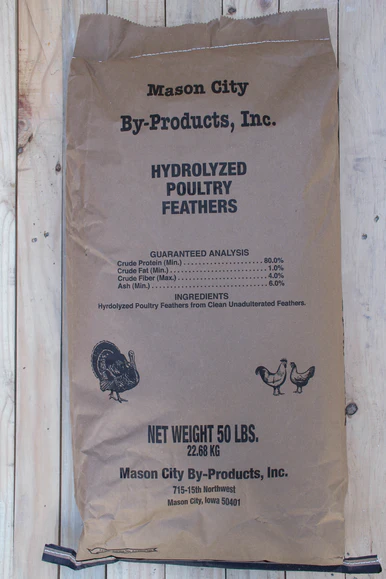
DTE Feather Meal (12-0-0) is a feather-derived fertilizer associated with the Down To Earth (DTE) range of gardening and soil amendment products. Feather meal is produced by processing poultry feathers, which contain keratin, a protein rich in nitrogen. Through appropriate processing, feather material can be transformed into a fertilizer ingredient suitable for supplying nitrogen to plants. After application to soil, microorganisms gradually break down organic compounds and convert some of their nitrogen into forms plants can absorb.
The 12-0-0 fertilizer grade indicates that the product contains 12% nitrogen, with no significant labeled amounts of available phosphate or soluble potash. This makes it a potential choice for situations where nitrogen supplementation is needed but additional phosphorus and potassium are unnecessary. The exact ingredients, processing details, application rates, and approved uses should always be verified against the current product label. These details help gardeners use the fertilizer correctly and understand its suitability for different plants and growing environments.
Understanding the 12-0-0 Fertilizer Analysis
The three numbers in a fertilizer grade represent nitrogen, available phosphate, and soluble potash, respectively.
- 12% nitrogen (N): Supports chlorophyll production, protein synthesis, leaf development, and healthy vegetative growth.
- 0% available phosphate (P₂O₅): No significant labeled phosphate contribution.
- 0% soluble potash (K₂O): No significant labeled potash contribution.
Nitrogen is the main nutrient supplied by DTE Feather Meal. However, plants require more than nitrogen to develop properly. Phosphorus contributes to energy transfer and root development, while potassium supports water regulation and enzyme activity. Calcium, magnesium, sulfur, and micronutrients are also essential. For this reason, DTE Feather Meal is best considered as one component of a balanced fertility program. Soil testing and crop-specific nutrient recommendations can help determine whether nitrogen is needed and whether other nutrients must be supplied separately.
Benefits of DTE Feather Meal for Plant Growth
Feather meal is valued as an organic nitrogen source because its protein-based composition can supply nitrogen through gradual biological decomposition. Potential benefits of using DTE Feather Meal in an appropriate growing system include:
- Supplying nitrogen for healthy foliage and stem development.
- Supporting plant growth when nitrogen availability is limited.
- Providing a poultry-derived nutrient source.
- Complementing compost and other soil amendments.
- Helping growers manage nitrogen separately from phosphorus and potassium.
- Supporting organic soil fertility strategies when the product meets the applicable requirements.
Actual results depend on the soil environment, crop species, nutrient requirements, and application rate. Feather meal does not guarantee increased yields or improved plant health when nitrogen is already sufficient or another factor is limiting growth.
Why Nitrogen Is Important for Plants
Nitrogen is one of the three primary macronutrients required for plant growth. It is an essential component of chlorophyll, amino acids, proteins, enzymes, and nucleic acids. Chlorophyll enables plants to capture sunlight for photosynthesis, while proteins and enzymes support the biological processes required for growth and development.
When plants experience nitrogen deficiency, they may develop pale or yellowing older leaves, reduced growth, and poor vigor. Providing an appropriate nitrogen source can help address these symptoms when insufficient nitrogen is the underlying cause. The 12% nitrogen content of DTE Feather Meal makes it a potential option for growers seeking an organic nitrogen fertilizer. Because feather meal contains nitrogen in organic compounds, its availability depends on decomposition and microbial activity rather than simply on the amount applied.
How Feather Meal Releases Nitrogen
One characteristic of feather meal is its protein-based nitrogen content. The keratin in feathers is resistant to rapid decomposition, so feather meal is generally considered a relatively slow-release organic nitrogen source. Soil microorganisms gradually break down the material, releasing nitrogen that can be converted into plant-available forms. This process is influenced by several factors, including soil temperature, moisture, aeration, microbial activity, and the fertilizer’s processing method. Under favorable conditions, feather meal can contribute nitrogen over time. However, the speed and amount of nitrogen released can vary, so growers should not assume that all the nitrogen becomes available immediately after application. This gradual release can be useful in some soil-based fertility programs, particularly when the objective is to supply nitrogen over an extended period rather than deliver a rapid, soluble nitrogen dose.
DTE Feather Meal for Vegetable Gardens
Vegetable crops need adequate nitrogen for foliage development, photosynthesis, and normal plant growth. However, different vegetables have different nutritional requirements, and excessive nitrogen can be counterproductive. Leafy vegetables, including lettuce and kale, need sufficient nitrogen to develop healthy foliage. Fruiting crops, such as tomatoes, peppers, and cucumbers, also need nitrogen, but excessive applications may encourage excessive vegetative growth at the expense of flowering and fruit production.
DTE Feather Meal may be considered for suitable vegetable gardens when additional nitrogen is needed. Its relatively gradual nitrogen release can fit some soil-based growing programs, provided the product is used according to its label. Gardeners should account for nitrogen supplied by compost, manure, previous fertilizers, and other amendments. Avoid applying fertilizer simply because plants appear unhealthy; watering problems, pests, disease, root damage, and other nutrient deficiencies can cause similar symptoms.
Feather Meal for Flowers and Ornamental Plants
Flowers, shrubs, and ornamental plants need appropriate nutrition to support roots, foliage, stems, and flowering. Nitrogen is particularly important for vegetative development, but the correct amount depends on the species and stage of growth. DTE Feather Meal may be useful for suitable established ornamental plants when additional nitrogen is required.
However, excessive nitrogen can encourage foliage growth and may reduce flowering performance in some ornamental species. Gardeners should consider plant-specific needs, soil conditions, and existing nutrient levels before applying feather meal. Following the manufacturer’s recommended application rate can help prevent overfertilization and unnecessary nutrient accumulation.
DTE Feather Meal and Soil Health
Organic fertilizers can contribute to a broader soil fertility strategy by supplying nutrients through the decomposition of organic materials. Feather meal provides nitrogen-rich material that soil microorganisms can process over time. However, the contribution of feather meal to soil organic matter and biological activity depends on the quantity applied, the product’s composition, and the rate at which it decomposes. It should not be assumed to replace compost, mulch, or other soil-building practices. For long-term soil management, gardeners can combine appropriate fertilizer applications with composting, mulching, cover cropping, crop rotation, and efforts to minimize soil compaction. A soil test can help determine whether the garden needs more nitrogen and prevent unnecessary applications that may create nutrient imbalances.
How to Apply DTE Feather Meal (12-0-0)
Correct application helps gardeners use feather meal effectively and responsibly. Before applying the product, read the current manufacturer label and follow its directions.
- Evaluate nutrient requirements. Use soil testing or crop-specific recommendations to determine whether additional nitrogen is needed.
- Follow the recommended rate. Avoid estimating quantities without consulting the product instructions.
- Apply using the approved method. Follow directions for placement, incorporation, and watering.
- Consider nutrient release timing. Organic nitrogen becomes available according to soil conditions and microbial activity.
- Avoid overapplication. Excess nitrogen can contribute to poor nutrient balance and environmental losses.
- Store the fertilizer safely. Follow the manufacturer’s handling and storage instructions, and keep the product away from children and animals.
For best results, integrate feather meal into a comprehensive fertilizer program rather than relying on it as the sole nutrient source for every crop.
Why Choose DTE Feather Meal for Organic Gardening?
Gardeners interested in organic nutrient sources may consider feather meal because it provides nitrogen derived from poultry feathers. Its 12-0-0 analysis offers a clear indication of its primary nutrient contribution. However, the term organic fertilizer does not automatically mean that every product is certified for use in every organic production system. Gardeners who require certified organic inputs should check the product’s current certification status and confirm that it meets the standards relevant to their operation. Product selection should also take into account the crop, soil nutrient levels, nitrogen requirements, and the fertilizer’s expected release characteristics.
Conclusion
DTE Feather Meal (12-0-0) is a feather-derived nitrogen fertilizer that provides 12% nitrogen without significant labeled contributions from phosphorus or potassium. Its protein-based composition allows nitrogen to become available through biological decomposition, making it a potential option for soil-based fertility programs that require a gradual nitrogen source. Nitrogen supports chlorophyll production, photosynthesis, protein synthesis, and healthy vegetative growth. When plants need additional nitrogen, feather meal may help meet that requirement as part of a balanced nutrient management strategy. Its performance depends on soil conditions, microbial activity, crop needs, and correct application.
For gardeners, farmers, landscapers, and horticultural professionals searching for DTE Feather Meal 12-0-0, feather meal fertilizer, organic nitrogen fertilizer, feather meal for plants, slow-release nitrogen fertilizer, poultry feather fertilizer, and feather meal for vegetable gardens , understanding the nutrient analysis and appropriate use is essential. When selected according to plant requirements and applied in accordance with the manufacturer’s current recommendations, DTE Feather Meal can be a useful component of a thoughtful soil fertility program. Soil testing, balanced nutrition, and responsible fertilizer application remain important for supporting healthy plants and productive gardens.

Reviews
There are no reviews yet.